
The Bronx: New York City's northern borough
Overview of The Bronx: geography, history, government status, neighborhoods, culture, parks, transport and major attractions including the Bronx Zoo and Yankee Stadium.
Overview
The Bronx is the northernmost of the five boroughs of New York City and a county within the United States. It is distinctive for its densely populated neighborhoods, large public parks and waterfronts, and a diverse cultural life. The borough is commonly identified with both urban and natural elements, from apartment-lined avenues to river valleys and coastal areas.
Image gallery
10 Images




Geography and landscape
The Bronx occupies land on the mainland north of Manhattan and is connected by bridges and tunnels. The Bronx River flows south from suburbs through the borough after passing through parts of Yonkers and Mount Vernon, and empties into the Long Island Sound. Significant green spaces include large municipal parks and waterfront promenades that provide recreation and habitat restoration.
History and name
European settlement in the area dates to the 17th century; the name comes from the farm of an early settler, Jonas Bronck, and is commonly referenced in local histories and landmarks associated with Jonas Bronck. Originally part of Westchester County, the area was later incorporated into New York City and today is one of its five boroughs, coterminous with Bronx County.
Government and administration
As a borough and county, the Bronx participates in city governance while also serving as a unit for state judicial and administrative purposes. Local community boards advise on land use and services, and borough-level offices help coordinate parks, housing, and social services.
Neighborhoods and population
The Bronx contains a variety of neighborhoods with distinct character: long-established residential districts, commercial corridors, and mixed-use areas. Community life is shaped by immigrant communities, cultural institutions, faith groups, and small businesses that contribute to a lively street culture.
Economy and transportation
Economic activity combines retail, services, education, medical institutions and light industry. The borough is served by an extensive public transit network that connects to other parts of the city, enabling commuter flows and supporting local commerce.
Culture, arts and music
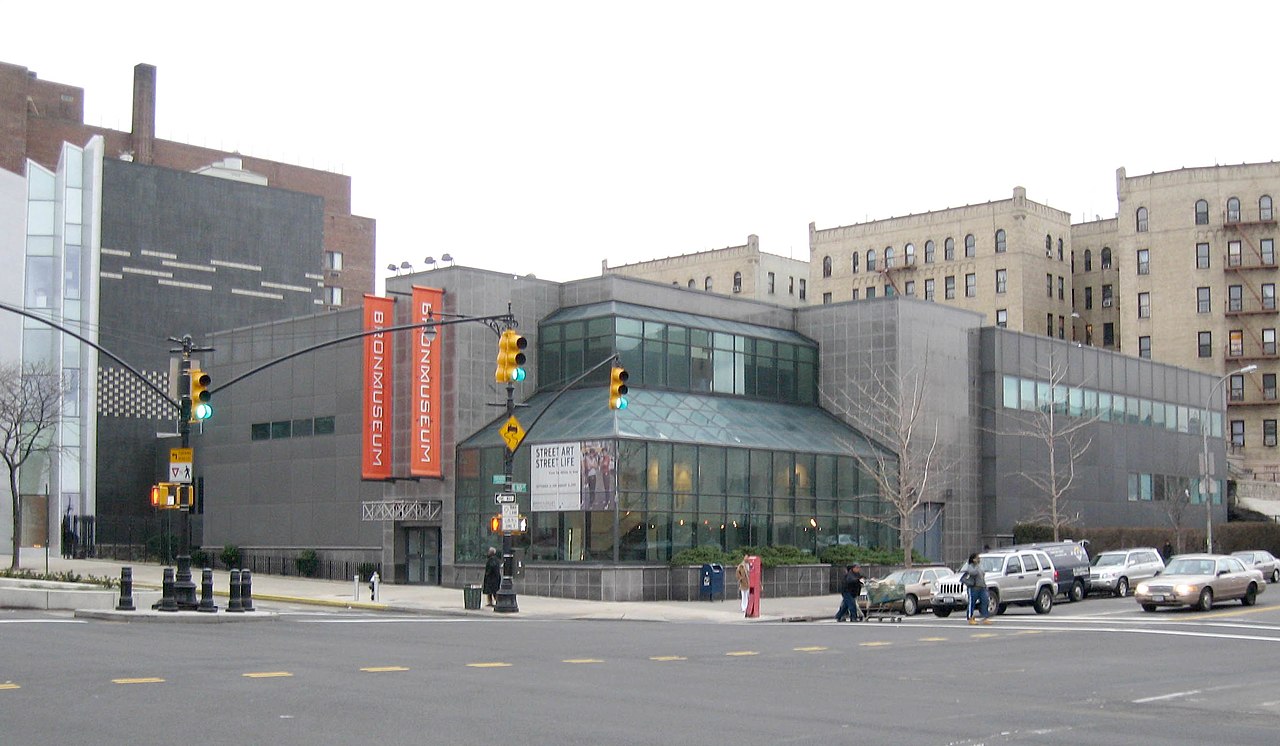
The Bronx has played an influential role in American urban culture, notably as a birthplace and early center of hip-hop and street arts. Museums, performing arts centers, and community venues present visual arts, theatre, and music reflecting the borough’s multicultural population.
Parks, conservation and attractions
Green spaces and institutions draw visitors and support conservation. Notable sites include the Bronx Zoo, which focuses on wildlife conservation and education, and large urban parks that offer trails and recreation. The borough’s river and shoreline restoration projects have been important to local environment efforts.
Sports and public venues
Sports facilities contribute to the Bronx’s profile. Yankee Stadium is the home ballpark of the New York Yankees and hosts major sporting events and concerts, drawing visitors from across the region.
Role within the metropolitan region
The Bronx combines residential neighborhoods, cultural institutions, parks and economic centers within a compact area. It continues to evolve through community development, preservation of open space, and investments in transportation and public services that shape its role in the larger metropolitan region.
Related articles
Author
AlegsaOnline.com The Bronx: New York City's northern borough Leandro Alegsa
URL: https://en.alegsaonline.com/art/97691
Sources
- census.gov : "QuickFacts Bronx County (Bronx Borough), New York"