
Lutheranism
Protestant Christian tradition originating with Martin Luther in the 16th century; emphasizes justification by faith, the authority of Scripture, two sacraments, and retained liturgical worship.
Lutheranism is a branch of Protestant Christianity that traces its origins to the work of the German monk and theologian Martin Luther in the early 16th century. It emphasizes that the Bible is the primary source of Christian doctrine and that human beings are justified — declared right with God — by divine grace through faith in Jesus Christ. Lutheran churches preserve elements of historic liturgy and sacramental practice while rejecting key doctrines of the medieval Roman Catholic hierarchy.
Image gallery
10 Images





Core beliefs and theology
Central to Lutheran doctrine are a set of theological principles often expressed in Latin phrases: sola scriptura (Scripture alone as the rule of faith), sola fide (faith alone for justification), and sola gratia (grace alone as the cause of salvation). Lutherans hold the doctrine of the Trinity and the full divinity and humanity of Jesus Christ, and they teach that all people are affected by original sin and thus in need of God’s saving work.
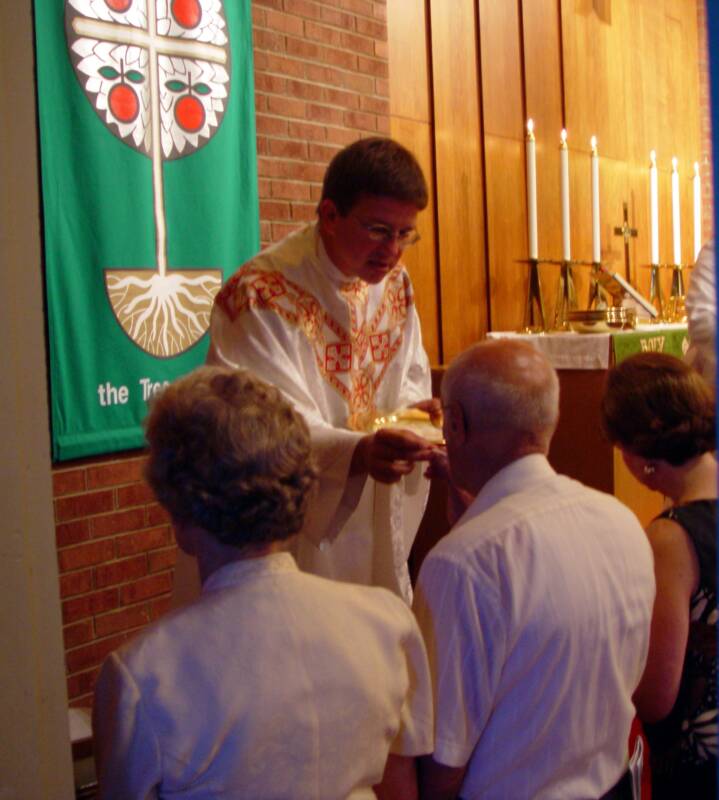
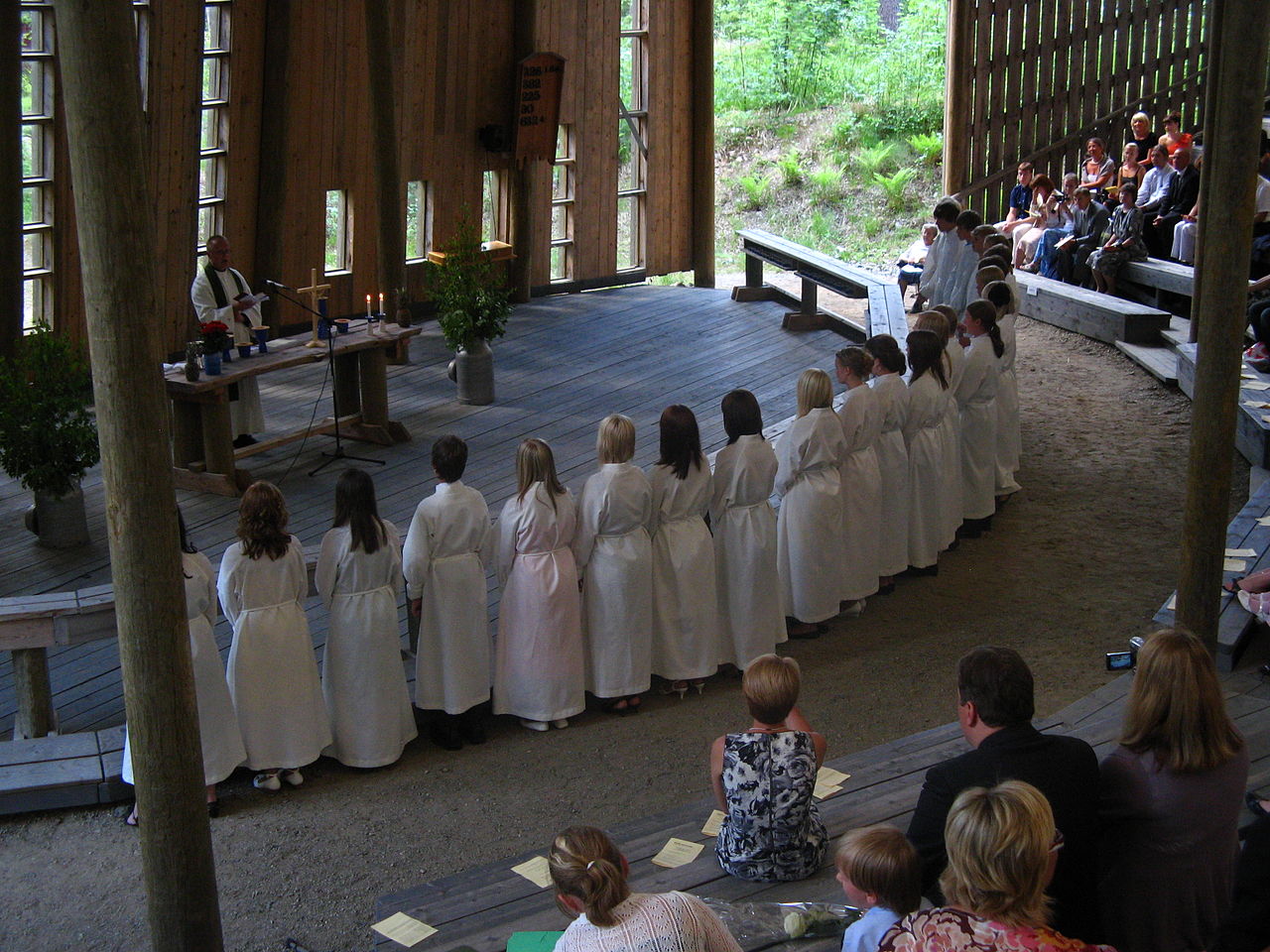
Lutherans recognize two sacraments instituted by Christ: baptism and the Lord’s Supper (Eucharist). In baptism they see a means of grace that marks new membership in the Christian community; in the Lord’s Supper they confess the real presence of Christ, a position historically called the doctrine of the real presence or sacramental union, which differs from symbolic-only or transubstantiation explanations.
Worship, ministry, and confessional identity
Worship in Lutheran congregations frequently follows traditional liturgical patterns: readings from Scripture, a sermon, prayer, confession and absolution, sacramental celebration, and music rooted in hymnody. Unlike the medieval norm, Lutheran clergy may marry, and Lutheran communities typically reject papal authority and the doctrine of papal infallibility. The movement’s doctrinal standards are gathered in confessions such as the Augsburg Confession and the wider Book of Concord, which remain reference points for many Lutheran churches.
History and development
The public beginning of the movement is commonly associated with Martin Luther’s objections to certain practices of the Roman Catholic Church, a controversy that culminated in the posting of Luther’s Ninety-five Theses and his eventual break with Rome. The wider upheaval came to be called the Protestant Reformation. Early Lutheran leaders including Philip Melanchthon worked to systematize doctrine and relations with secular authorities, producing texts such as the Augsburg Confession (1530) that articulated Lutheran teaching. Other reformers in the same era, like John Calvin and Ulrich Zwingli, shared some aims but developed different theological positions and church orders.
Geographic spread and denominational variety
Lutheranism quickly took root in parts of northern Germany and across Scandinavia and the Baltic region, becoming a national church tradition in several states. From the 18th century onward, Lutheran immigrants carried their traditions to North America and other continents. Today the tradition includes a broad spectrum of bodies ranging from historically liturgical, mainline churches to more confessionally conservative synods. In the United States, larger groups include the Evangelical Lutheran Church in America, the Lutheran Church–Missouri Synod, and the Wisconsin Evangelical Lutheran Synod, among others.
Distinctive features and contemporary significance
Distinctive features of Lutheranism include its doctrinal emphasis on justification by faith, its retention of a eucharistic theology affirming Christ’s presence, and its combination of reformist conviction with continuity in worship forms. Lutheranism has had lasting influence on Western theology, education, hymnody, and social welfare institutions. Contemporary Lutheran churches differ widely on social and theological issues, but many maintain the tradition’s confessional documents and sacramental life while engaging modern questions about ecumenism, ministry, and public witness.
Related topics and resources
Questions and answers
Q: What is Lutheranism?
A: Lutheranism is a denomination within the Christian religion. It was started by Martin Luther and his followers who were excommunicated from the Roman Catholic Church in the 16th century. Lutherans believe that humans are saved by grace alone through faith alone because of Jesus Christ alone, and they use The Augsburg Confession to sum up their beliefs.
Q: Who was Martin Luther?
A: Martin Luther was a German priest, theologian, and university professor in Wittenberg who began a protest against the Roman Catholic Church in the 16th century. He worked to improve its theology and practices, primarily indulgences and abuses of power by the Bishop of Rome. This overall movement is known as the Protestant Reformation.
Q: What do Lutherans believe?
A: Like other Christians, Lutherans believe in the Trinity, that Jesus Christ was both God and man, that all humans are sinful since Adam and Eve (see original sin), and that humans are saved by Jesus' death on the cross. They also believe that the Bible is their first authoritative source for Christian faith and teaching.
Q: How does Lutheranism differ from Roman Catholicism?
A: Unlike Roman Catholicism, Lutheran pastors and bishops are allowed to marry, do not pray for intercession with saints (including Mary), reject authority (and infallibility) of Pope or Magisterium, among other differences.
Q: What are some major American denominations within Lutheranism?
A: Major American denominations include Evangelical Lutheran Church of America (ELCA), Lutheran Church--Missouri Synod (LCMS), Wisconsin Evangelical Lutheran Synod (WELS), North American Lutheran Conference (NALC).
Q: Who wrote The Augsburg Confession?
A: Philip Melanchthon wrote The Augsburg Confession which summarizes major points of Lutheran theology in 1530.
Related articles
Author
AlegsaOnline.com Lutheranism Leandro Alegsa
URL: https://en.alegsaonline.com/art/60016
Sources
- luther.de : "Martin Luther's 95 Theses"