
Maghrebi Jews (North African Jewish communities)
Jews originating in the Maghreb (western North Africa), with distinct languages, rites and history shaped by ancient settlement, Iberian exile, and modern migration to Israel and Europe.
Maghrebi Jews are Jewish communities historically centered in the Maghreb — the western portion of North Africa that includes Morocco, Algeria, Tunisia, Libya and Mauritania. Their identity combines local North African traditions with strong influences from Iberian exiles and wider Mediterranean Jewish practice. For context, see Maghreb.
Image gallery
5 Images


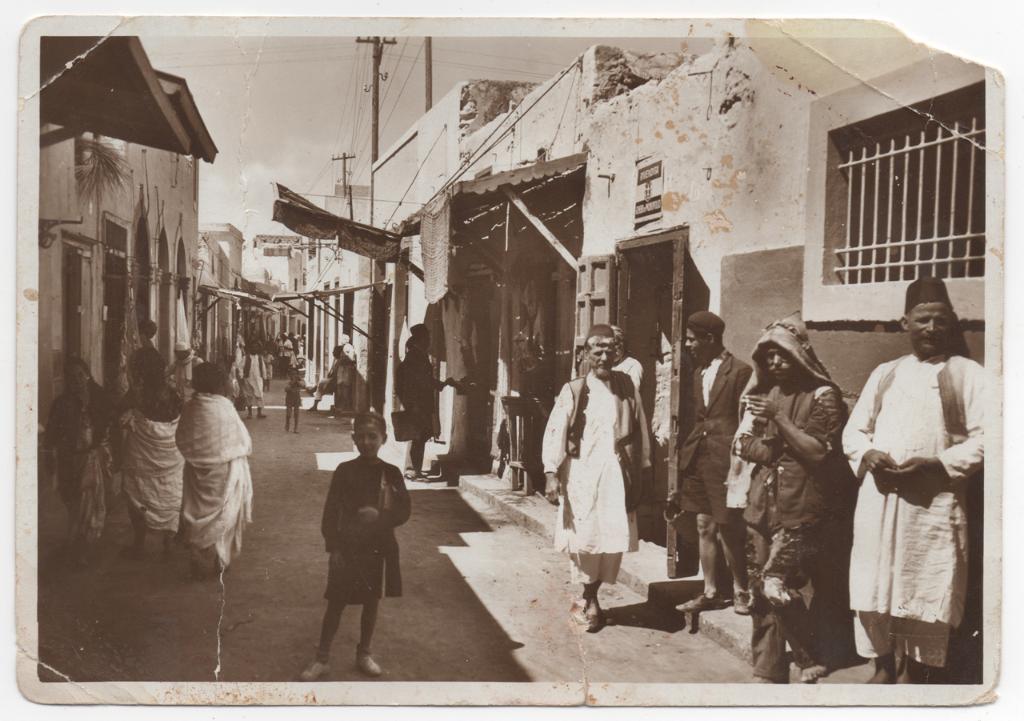

History and origins
Jews have lived in North Africa since antiquity, participating in urban, commercial and agricultural life under Roman, Byzantine and later Islamic rule. A major turning point came after the late 15th century when Jews expelled from the Iberian Peninsula settled across the Maghreb, bringing Iberian languages, customs and legal traditions. Over centuries these arrivals blended with existing communities to form the Maghrebi Jewish cultural corpus.
Characteristics and culture
Maghrebi Jewish life is marked by distinctive languages, religious rites and cultural expressions. Common features include:
- Languages: Judeo-Arabic dialects and, in parts of Morocco, Haketia (a Judeo-Spanish language), alongside later use of French.
- Religious practice: Liturgy and ritual are often classified as Sephardic in style while preserving unique local melodies and customs.
- Cultural traditions: Culinary specialties, festival observances (such as the North African celebration of Mimouna in some communities), and Andalusian-influenced music.
Communal life and roles
Historically, Maghrebi Jews lived in urban quarters, maintained synagogues, communal courts and charities, and worked in trade, crafts and professions linked to regional economies. While relations with Muslim neighbors varied with time and place, Jewish communities frequently acted as intermediaries in commerce and cultural exchange across the Mediterranean.
Modern transformations and diaspora
The 20th century brought dramatic change: colonialism, the creation of Israel, and decolonization prompted large-scale migration. Many Maghrebi Jews relocated to Israel, France, Canada and the Americas, where they established new communities and carried forward traditions. Small Jewish populations remain in parts of the Maghreb today, and there is growing interest in preserving synagogues, cemeteries and other heritage sites.
Although often described as part of the broader Sephardic tradition because of shared liturgy and Iberian influence, Maghrebi Jews represent a distinct regional grouping that overlaps with the categories 'Sephardi' and 'Mizrahi.' Their history illustrates how migration, local adaptation and trans-Mediterranean exchange shape communal identity.
Related articles
Author
AlegsaOnline.com Maghrebi Jews (North African Jewish communities) Leandro Alegsa
URL: https://en.alegsaonline.com/art/60589