
Eucharist (Holy Communion) in Christian Tradition
The Eucharist, also called Holy Communion or the Lord's Supper, is a central Christian rite in which bread and wine are shared as Christ's body and blood; practices and meanings vary by tradition.
Overview
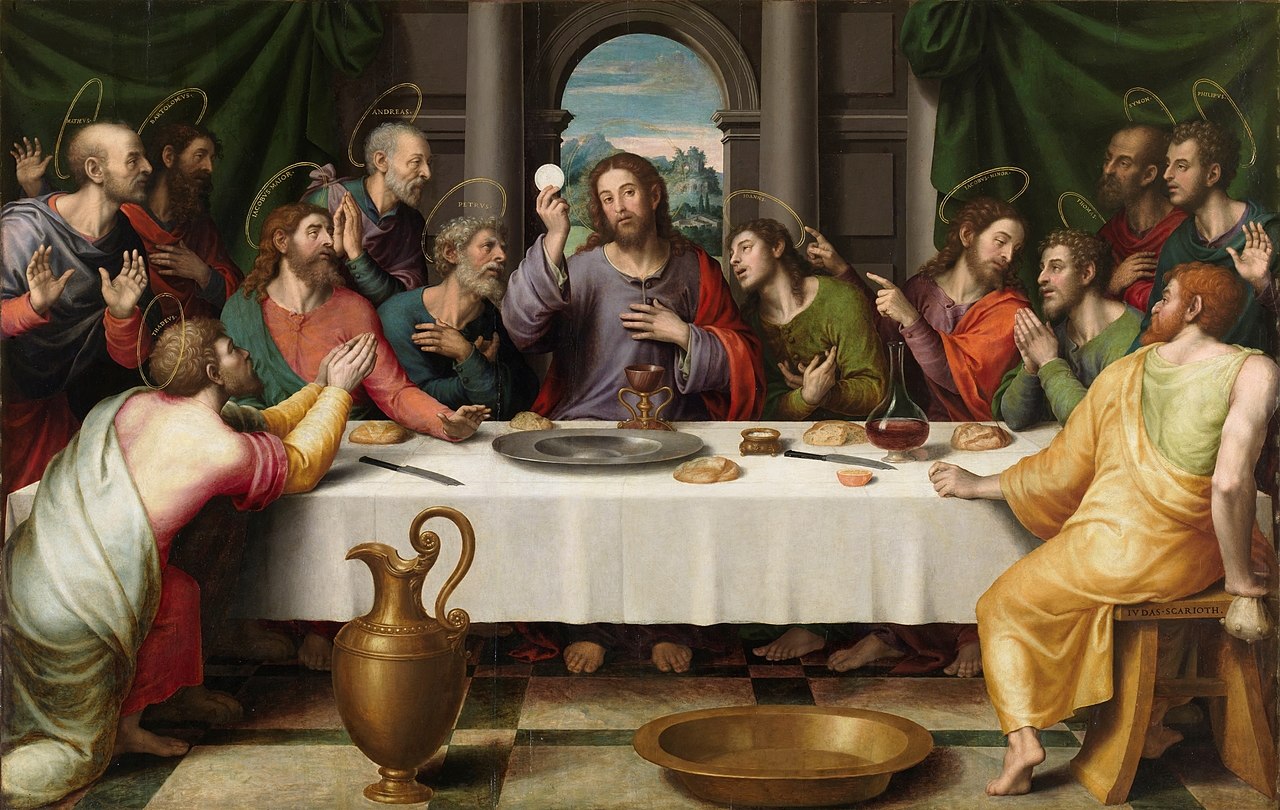
The Eucharist—commonly known as Holy Communion or the Lord's Supper—is a central liturgical act in many Christian communities in which bread and wine are distributed to the faithful. Christians trace the practice to Jesus' instruction at the Last Supper, when he gave bread and wine to his disciples and spoke of them as his body and blood. For most traditions the rite expresses remembrance, thanksgiving, and a special communion with Christ.
Image gallery
10 Images




Ritual elements
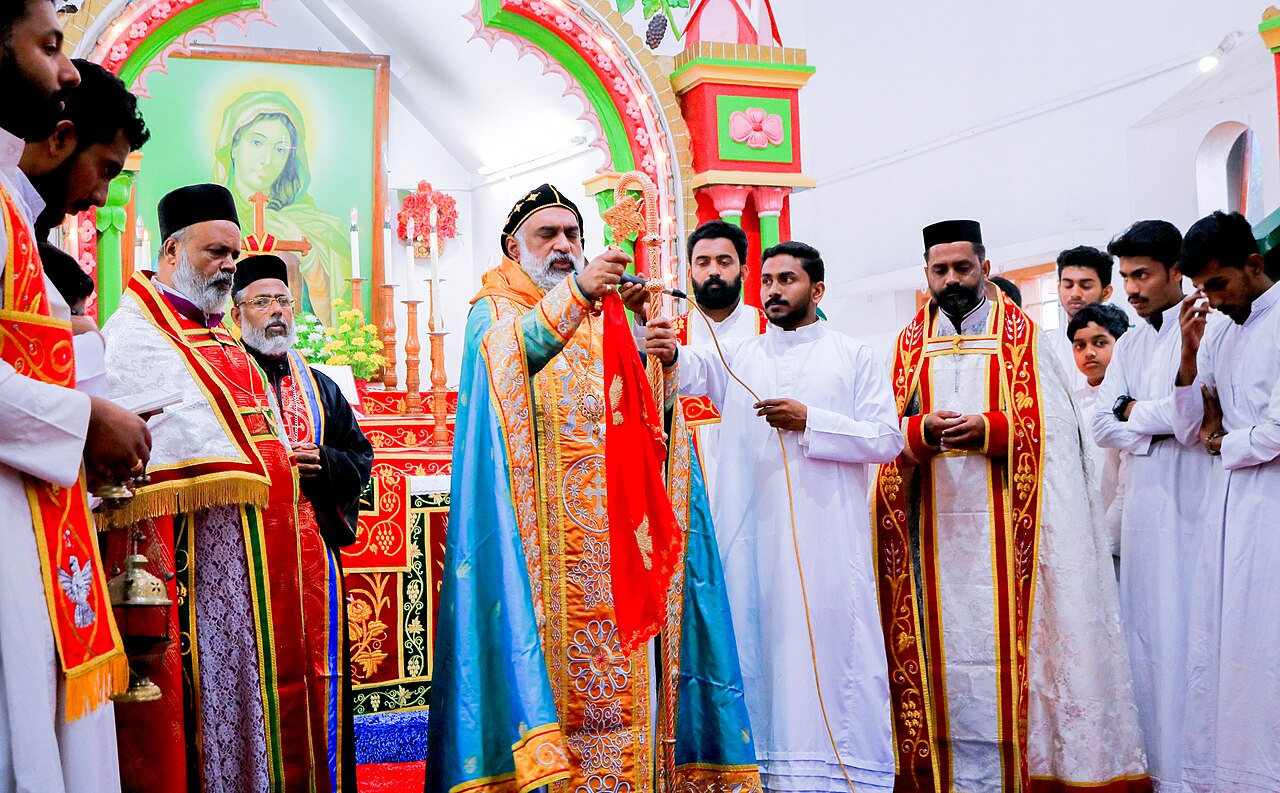
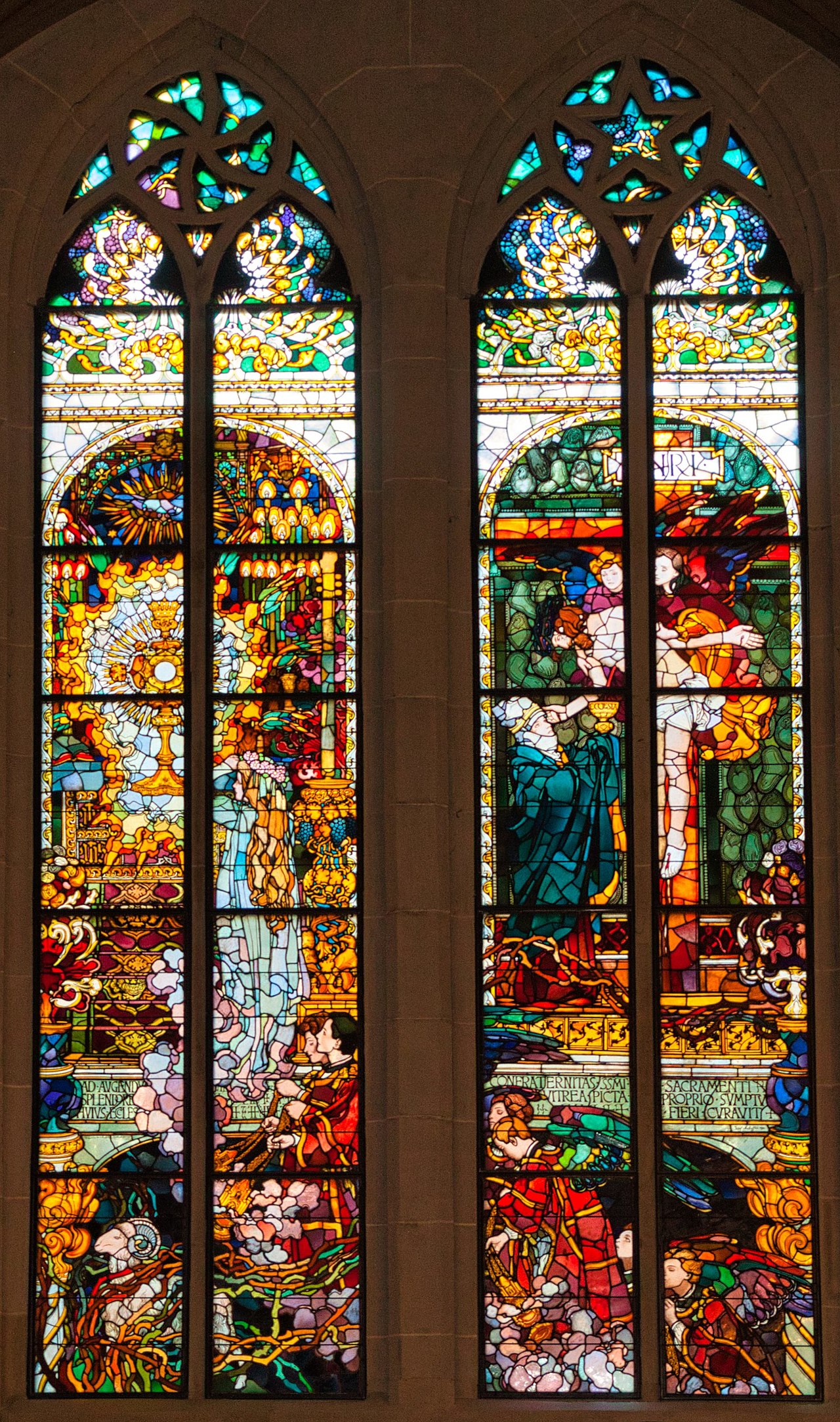
Typical elements are unleavened or leavened bread and fermented wine, though some churches use non-alcoholic substitutes. The service usually includes prayers, a reading of the institution narrative, a blessing or consecration, and the distribution of the elements. Timing and frequency range from daily or weekly celebrations to occasional observances tied to feast days.
Theological understandings
Churches speak about the Eucharist using different theological language. In many Western churches it is regarded as a sacrament—an outward sign conveying inward grace. Roman Catholic doctrine describes the bread and wine as the actual body and blood of Christ by a change in their substance, while many Protestant traditions describe a real spiritual presence, a symbolic memorial, or other formulations. These differences shape how the rite is celebrated and who may receive it.
History and development
The practice appears in the New Testament and developed in the life of the early church. Over centuries theologians and councils debated its meaning, ritual form, and frequency. The medieval period elaborated sacramental theology; the Reformation brought major disputes and new formulations that continue to influence denominational identities today.
Practice and variations
- Open communion vs closed communion: some churches invite all baptized Christians, others restrict participation to members or those who meet specific requirements.
- Frequency: weekly is common in some traditions; monthly or quarterly in others.
- Administration: clergy typically preside, though lay involvement occurs in some contexts.
Significance and ecumenical issues
For believers the Eucharist symbolizes forgiveness, unity with Christ, and union among participants. Differences over its meaning and who may receive communion remain a focal point in ecumenical dialogues, where churches seek mutual understanding and, in some cases, shared celebration of the rite. The Eucharist thus combines deep theological significance with practical diversity across Christian communities (Christian denominations).
Questions and answers
Q: What is the Eucharist?
A: The Eucharist is a religious ritual that is practiced in many Christian churches. It is also known as holy communion or the Lord's Supper.
Q: Who started the Eucharist?
A: The Eucharist was started by Jesus Christ, who instructed his followers to eat bread and drink wine in memory of him at the Last Supper.
Q: What is the purpose of the Eucharist?
A: The purpose of the Eucharist is to remember and commemorate the sacrifice of Jesus Christ on the cross for the forgiveness of sins.
Q: What are the elements of the Eucharist?
A: The elements of the Eucharist include bread and wine, which represent the body and blood of Jesus Christ.
Q: Why is the Eucharist sometimes called holy communion?
A: The Eucharist is sometimes called holy communion because it is a reminder of the communion or fellowship that Christians share with Jesus Christ through his sacrifice.
Q: Is the Eucharist practiced in all Christian churches?
A: No, not all Christian churches practice the Eucharist. However, it is a common practice in many denominations, particularly in Catholic and Orthodox churches.
Q: How often is the Eucharist celebrated?
A: The frequency of Eucharist celebration varies among different churches and denominations. Some celebrate it daily, while others do so weekly, monthly, or on special occasions.
Related articles
Author
AlegsaOnline.com Eucharist (Holy Communion) in Christian Tradition Leandro Alegsa
URL: https://en.alegsaonline.com/art/32461