
Martin Luther
German theologian and former monk whose 16th-century critiques of the Catholic Church sparked the Protestant Reformation and founded Lutheranism.
Martin Luther (1483–1546) was a German monk, priest and theologian whose teachings initiated major changes in Western Christianity. Initially an Augustinian monk, Luther came to reject several practices and doctrines of the Roman Catholic Church and argued that salvation is granted by faith rather than by works. His reforms led to the formation of churches now called Protestant and to a movement commonly called the Protestant Reformation.
Image gallery
10 Images



Early life and career
Luther was born in Eisleben and trained as both a scholar and cleric. After ordination he taught theology and scripture. His concerns about the sale of indulgences and the authority of papal teaching led him to publish a list of objections in 1517 that drew widespread attention. Increasing conflict with church authorities culminated in a public break: he was examined by imperial and papal officials, refused to recant his core positions, and was ultimately excommunicated.
Core teachings and writings
Luther emphasized several theological principles that became central to Protestant thought: justification by faith alone (sola fide), the primacy of scripture (sola scriptura), and the priesthood of all believers. He retained certain traditional practices while rejecting others; for example, he recognized baptism and the Eucharist as important sacraments but rejected the medieval system that tied salvation to specific church acts or payments. Luther also produced influential translations and writings, including a German translation of the Bible that made scripture more accessible to lay people.
- 95 Theses: A protest against indulgences and clerical abuses that sparked debate
- Diet of Worms (1521): A formal imperial hearing where he declined to recant
- German Bible: A translation that shaped the German language and devotional life
- Pastoral reforms: Marriage of clergy and changes in worship and education
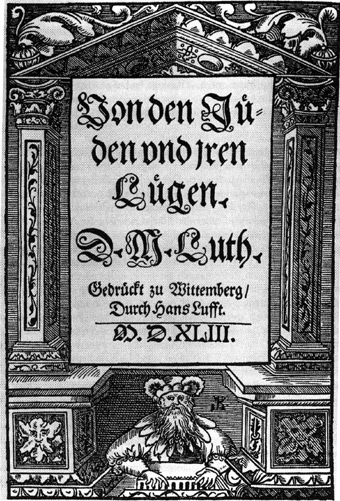
Luther’s social and political impact was broad. His views influenced church governance, liturgy, education and the development of Protestant denominations, especially those bearing his name. He married Katharina von Bora, a former nun, which illustrated his rejection of clerical celibacy as a universal requirement. His responses to social unrest, including peasant revolts, were complex and at times controversial.
Distinctions between Lutheranism and other Protestant traditions include differing emphases on liturgy, sacramental theology and church order. Over centuries Luther’s ideas were adapted in many contexts, producing varied Lutheran bodies and contributing to debates about faith, scripture and authority that remain significant in Christian theology. For further reading on his life and legacy consult introductory resources on Luther as theologian, the influence of his writings on Christian doctrine, and histories of the Protestant churches.
For concise summaries and more detailed studies, see linked reference collections and scholarly accounts of the Reformation era and its long-term effects on European religion and culture. Reformation studies explore both theological innovation and social change associated with Luther’s work.
Questions and answers
Q: Who was Martin Luther?
A: Martin Luther was a German monk and theologian of Christianity.
Q: When and where was he born?
A: He was born on 10 November 1483 in Eisleben.
Q: What is he credited with starting?
A: He is credited with starting the Protestant Reformation.
Q: What did this lead to?
A: This led to what are now called Protestant churches splitting from the Roman Catholic church.
Q: What type of church did he start?
A: He started the Lutheran Church, the first Protestant church.
Related articles
Author
AlegsaOnline.com Martin Luther Leandro Alegsa
URL: https://en.alegsaonline.com/art/62376
Sources
- courses.wcupa.edu : "Background, Against the Sale of Indulgences by Martin Luther"
- crivoice.org : The Edict of Worms (1521)
- boisestate.edu : "Martin Luther - Reformation"