
Original sin (Christian doctrine)
Original sin is the theological idea that human beings inherit a sinful condition from the first humans. It shaped Christian teaching on human nature, salvation, and baptism across traditions.
Overview
Original sin is a theological term used in Christianity to describe the condition or state that affects all human beings as a consequence of the first human disobedience in the Genesis account. That narrative centers on Adam and Eve and their decision to eat the forbidden fruit in the Garden of Eden. Classic formulations draw on passages in the Bible, especially in Genesis and in New Testament texts that reflect on how sin and death entered human life. The doctrine addresses why moral failure and death are universal and how human beings relate to God, moral responsibility, and the need for redemption.
Image gallery
9 Images





Key elements and expressions
Although summaries vary, several core ideas are commonly associated with original sin:
- an early disobedience by the progenitors of humanity that altered the human situation;
- the transmission of a fallen condition to subsequent generations (understood variously as inherited guilt, a tendency to sin, or a damaged nature);
- the link between this condition and human mortality, weakness, or propensity to wrongdoing;
- the need for divine grace and a means of restoration, commonly called salvation.
Historical development
The doctrine was developed in the early centuries of the church and was most systematically articulated by Augustine of Hippo in the late fourth and early fifth centuries. Augustine formulated original sin in reaction to the teachings of Pelagius, who emphasized human free will and denied that infants inherit moral guilt from their ancestors. Augustine argued that the human condition after the first disobedience involves both privation and a corrupted will that requires God's grace.
Varieties of understanding
Christian traditions differ in how they describe and respond to original sin. Broadly speaking:
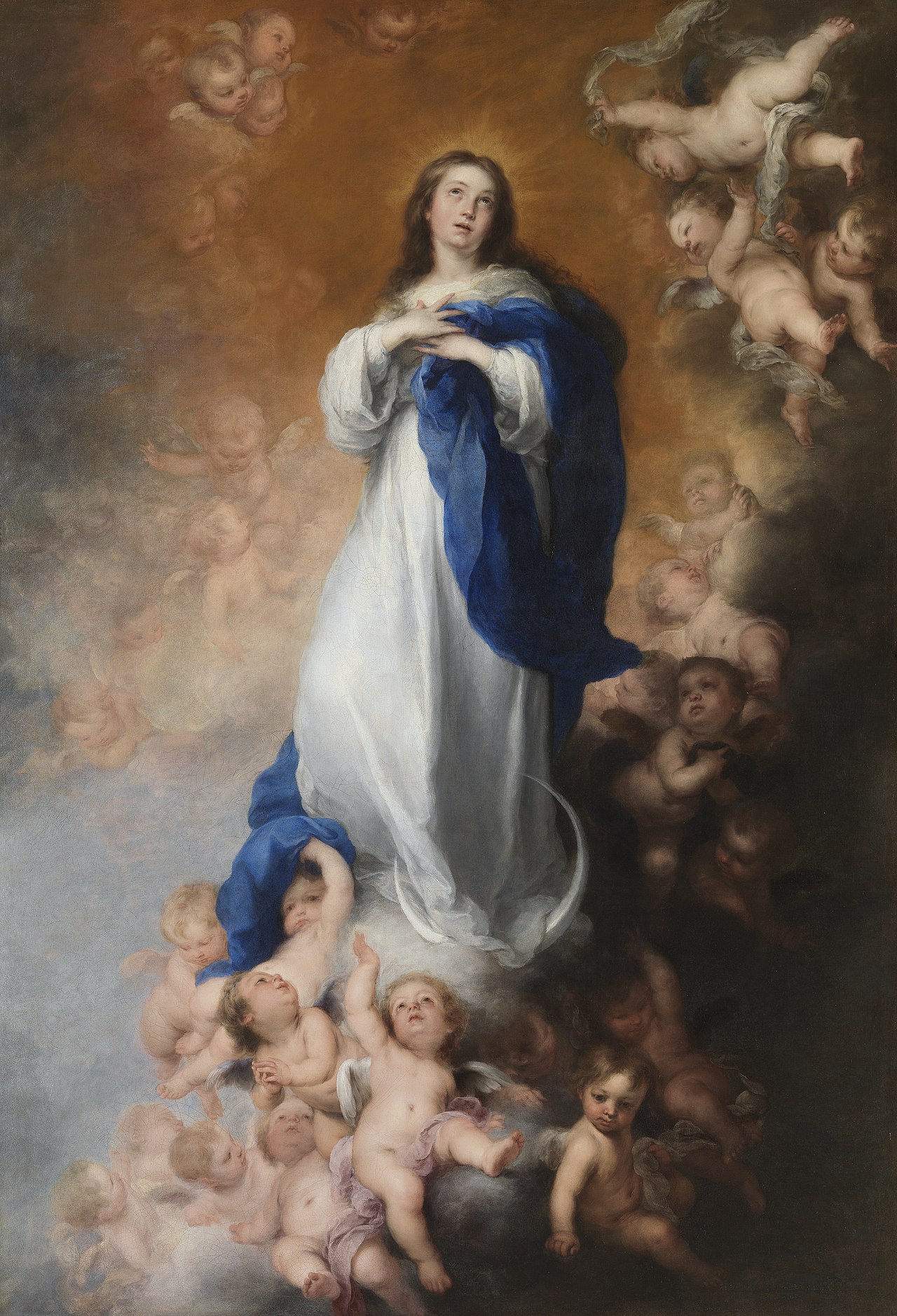
- Roman Catholic teaching holds that original sin wounds human nature and that baptism removes the guilt of original sin; the Catholic Church also teaches doctrines (for example, the Immaculate Conception) concerning how God preserved certain persons from that state in special cases.
- Eastern Orthodox Christianity tends to emphasize the consequences of the first sin—death, corruption, and a tendency toward sin—often using the term "ancestral sin" and generally avoids the formulation of transmitted guilt used in some Western accounts.
- Protestant traditions vary: many historic Reformers and their successors stressed the depth of human sinfulness (sometimes called total depravity) and the necessity of divine grace, while other Protestant groups have nuanced or rejected Augustinian formulations.
Practices and theological implications
The doctrine has practical consequences for worship, sacraments, and pastoral care. In many churches infant baptism is practiced on theological grounds related to original sin and incorporation into the community of grace. The doctrine also bears on doctrines of atonement, human responsibility, and ethical living: if human nature is broken, then moral renewal is viewed as primarily a work of God as well as of human cooperation.
Contemporary perspectives and debates
Modern theologians and scholars offer varied readings: some interpret original sin metaphorically or socially, thinking of it as a way to speak about systemic evil and human finitude; others maintain a more traditional understanding tied to inherited spiritual alienation. Debates continue about how literal or symbolic the Genesis account should be read and how to reconcile notions of inherited condition with personal moral responsibility. For introductions to the scriptural background and historical controversies see general reference works and denominational statements linked above.
Related articles
Author
AlegsaOnline.com Original sin (Christian doctrine) Leandro Alegsa
URL: https://en.alegsaonline.com/art/73141