
Bishop (Christian office)
A bishop is an ordained leader in many Christian traditions who oversees a diocese, ordains clergy, administers sacraments, and represents episcopal authority; specific roles, appointment and symbols vary by denomination.
Overview
A bishop is a senior member of the clergy in many Christian churches. The office typically denotes a person consecrated or set apart to exercise pastoral, liturgical and administrative oversight for a defined territory, commonly called a diocese or see. The adjective form of the office is episcopal. The principal church of a diocese is often a cathedral, literally the church building that contains the bishop's chair or episcopal throne, a symbol of teaching and governing authority.
Image gallery
10 Images



History
The office of bishop developed in the early centuries of Christianity from local leaders who coordinated teaching, discipline and the administration of sacraments. Over time structures of oversight became more formalized, and distinctions grew between diocesan bishops and other categories of episcopal ministers. In different eras and regions the role has expanded or contracted in relation to secular power, theological developments and reforms within particular church bodies.
Roles and functions
Bishops commonly supervise parish clergy such as priests or presbyters and deacons, oversee clergy discipline and formation, confirm and ordain ministers, and ensure doctrinal and liturgical standards within their territory. They may also represent the church in civic affairs, lead major liturgies, and provide pastoral leadership for the wider community. An archbishop typically has precedence in an archdiocese and may have limited metropolitan responsibilities over neighbouring dioceses.
Ordination and apostolic succession
In many churches a bishop is consecrated through the laying on of hands by other bishops, a practice tied to the doctrine of apostolic succession that emphasizes continuity with the early apostles. For denominations that maintain this tradition, bishops play a central role in the ordination of new clergy and the preservation of sacramental rites. Other communities reject a formal doctrine of succession and choose leaders by election or appointment without episcopal consecration.
Organization and selection
Processes for selecting bishops vary. In the Roman Catholic Church bishops are appointed within a hierarchical system ultimately under the Pope, who is also the Bishop of Rome. In some Eastern Orthodox and Oriental Orthodox churches local synods and patriarchs participate decisively in appointments. Other communions elect bishops through synods, councils or representative assemblies, and in some cases secular authorities have historically played a role.
Variations among denominations
Not every Christian group uses bishops. Some Protestant denominations retain an episcopal structure, while others use alternative forms of governance. For example, Presbyterianism prefers rule by assemblies of elders rather than bishops; the Church of Scotland elects a Moderator annually to preside over its General Assembly rather than maintaining residential bishops. Other movements, such as the Religious Society of Friends (Quakers), historically eschew a formal priesthood and episcopacy.
Titles and types
Different titles and functional distinctions exist among bishops. A diocesan or residential bishop has primary responsibility for a diocese. Auxiliary or suffragan bishops assist a diocesan bishop. A metropolitan or archbishop has ceremonial precedence and limited oversight in an ecclesiastical province. Some traditions also recognize bishops emeriti (retired bishops) and titular bishops who hold a historic title without governing a current diocese.
Symbols, dress and liturgy
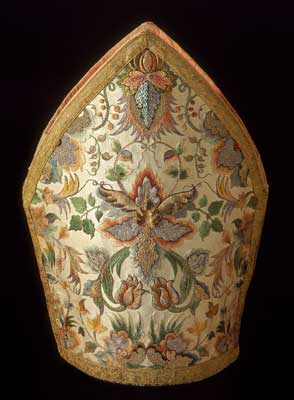
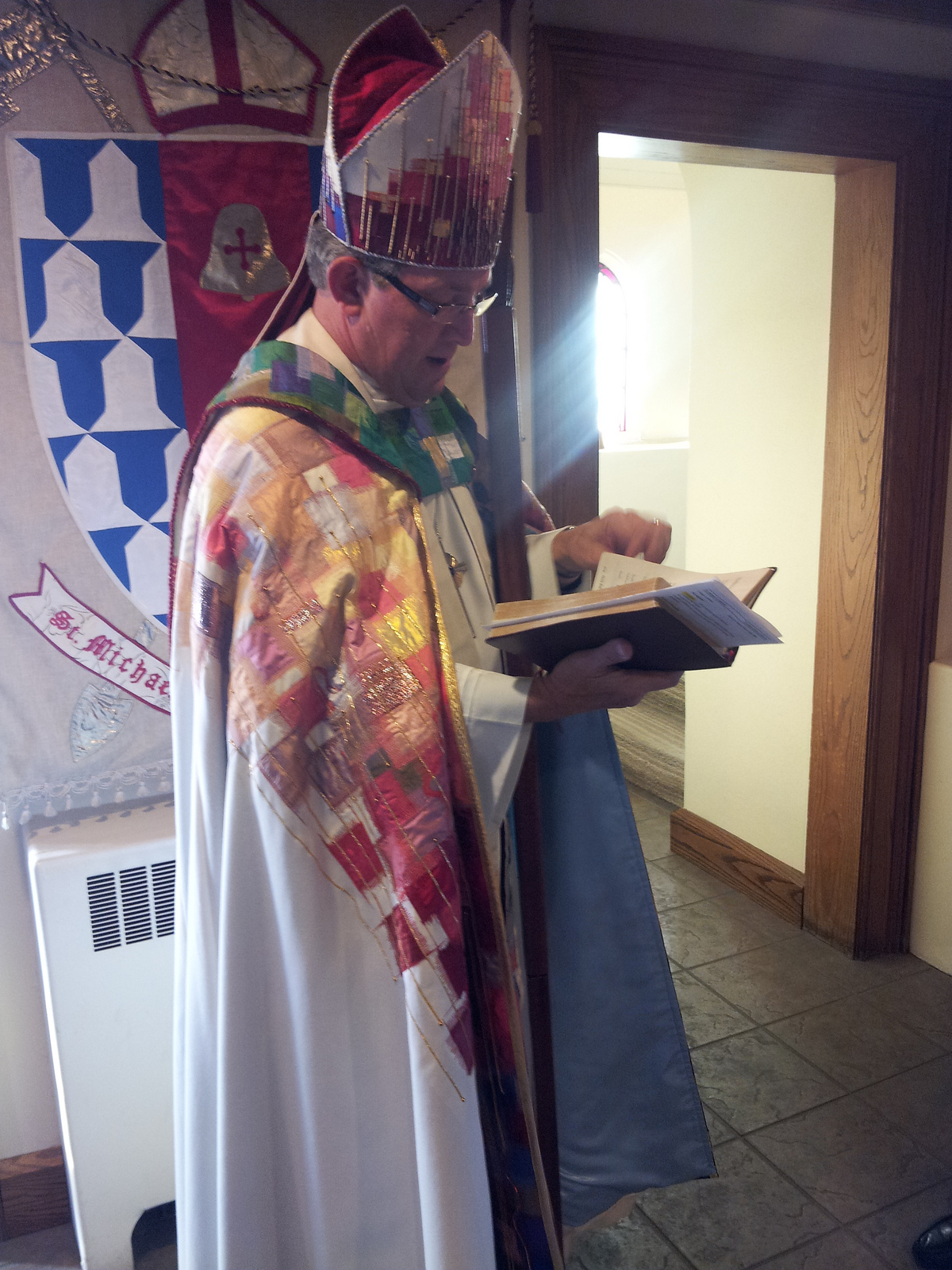
Episcopal office is often expressed through specific vestments and symbols. Common items associated with bishops include a ring, a staff called a crozier, and distinctive headgear. In many Western churches the special hat is the mitre, while Eastern traditions use other forms of head covering and liturgical robes. These items appear in ordination rites and other major liturgies and vary in style between traditions.
Contemporary issues
Contemporary debates about bishops include questions of authority, the role of bishops in ecumenical relations, and whether certain bishops should be eligible for ordination on grounds of gender or marital status. Practices differ widely: some churches ordain women as bishops and clergy, others restrict episcopal ministry to men. Many churches also face pastoral and administrative challenges as demographics, legal frameworks and social expectations change.
Related topics
- Clergy
- Christian churches
- Diocese
- Episcopal
- Cathedral
- Church building
- Episcopal throne
- Archbishop
- Priests
- Denominations
- Parish
- Hierarchy
- Presbyterianism
- Church of Scotland
- Catholic
- Pope
- Bishop of Rome
- Patriarchs
- Special hat
- Mitre
This article summarizes common features and variations of the episcopal office across Christian traditions. For authoritative details about appointment, liturgy and canonical law consult sources specific to each church body or jurisdiction.
Questions and answers
Q: What is a bishop?
A: A bishop is a type of clergy in some Christian churches. They are the leader of the Christians and Christian priests in each diocese, and they have an episcopal throne in the main church of the diocese (called a cathedral).
Q: Are bishops found in all denominations?
A: No, some Protestant denominations do not have bishops or archbishops. An example is Presbyterianism, which has a leader called the Moderator who is elected by the General Assembly each year. Other Christian movements such as Quakers also do not have bishops or priests.
Q: How does one become pope?
A: According to church law, any male, unmarried, baptized Christian who is judged fit for the office can become pope. However, since 1378 all popes have been bishops. The pope is also known as 'the Bishop of Rome', and he rules an independent state within Rome called Vatican City.
Q: Who governs bishops in Anglican churches?
A: Bishops in Anglican churches are governed by Archbishops.
Q: What item of clothing identifies a bishop?
A: A bishop can usually be identified by their special hat called a mitre.
Q: Do all Roman Catholic bishops answer to the Pope?
A: Yes, all Roman Catholic bishops answer to either the Pope or patriarchs in some Orthodox churches.
Related articles
Author
AlegsaOnline.com Bishop (Christian office) Leandro Alegsa
URL: https://en.alegsaonline.com/art/11790
Sources
- catholic-pages.com : "Bishops"
- opc.org : "Question and Answer OPC Church Government"
- churchofscotland.org.uk : "The Moderator"
- usccb.org : "How Is A New Pope Chosen?"