
John Calvin: Reformer, Theologian, and Architect of Reformed Christianity
Overview of John Calvin (1509–1564): life, reforms in Geneva, core theological contributions to Reformed Christianity, major works, controversies, and enduring influence.
Overview
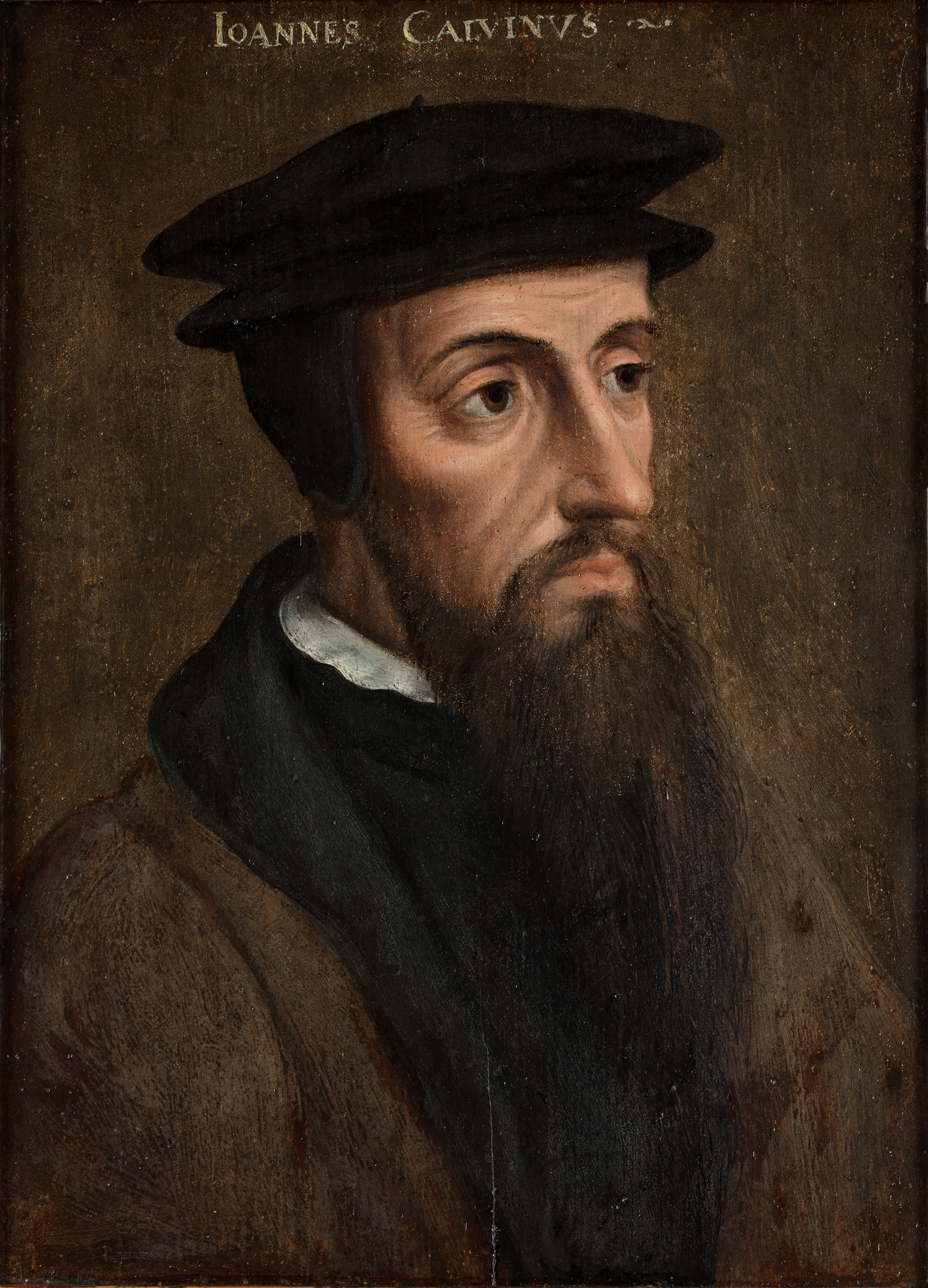
John Calvin (born Jean Cauvin, 1509–1564) was a leading figure of the Protestant Reformation whose writings and institutional reforms shaped what came to be called Calvinism or Reformed theology. His systematic approach to Christian doctrine, pastoral organization, and civic arrangements made him both influential and contested during the sixteenth century and thereafter. Many historians and theologians study Calvin as a central developer of Protestant theology, a church organizer, and a public intellectual of his age.
Image gallery
10 Images




Early life and education
Calvin was born in Noyon, in the region of Picardy in northern France (Noyon, Picardy). His family background combined urban professional aspirations and religious piety: his father worked as a civil servant and legal official (lawyer), and he was sent as a youth to study at the University of Paris (Paris) and other centers of learning (University references). Early studies emphasized the humanities and classical languages before he pursued formal legal training. By the early 1530s he had earned a doctorate in civil law at Orléans (Orléans) and was moving within the circles of emerging Protestant thought.
Geneva, Strasbourg, and institutional reform
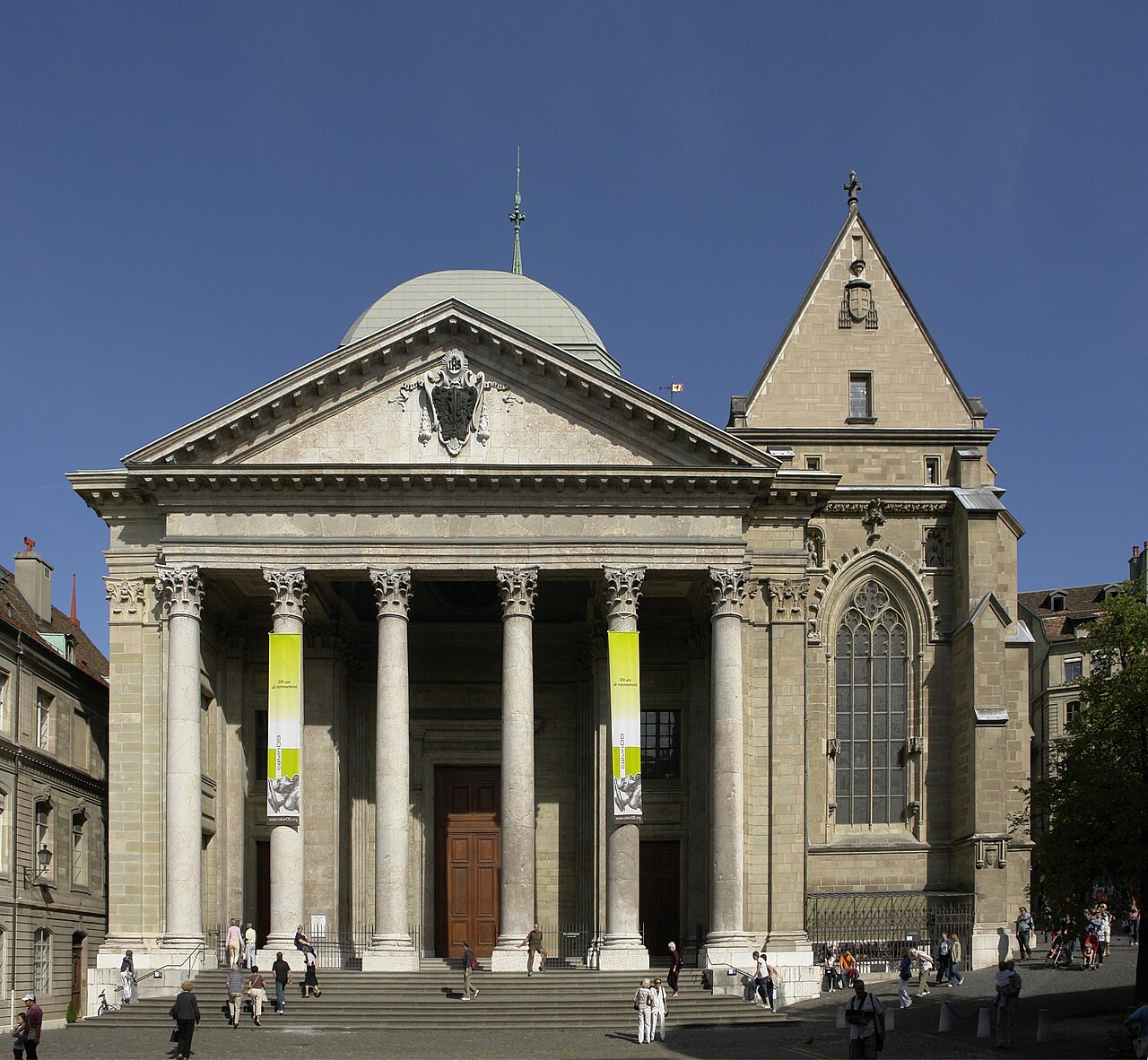
Calvin settled in Geneva, Switzerland (Geneva), in 1536, where he sought to reform both church life and civic structures. After a temporary expulsion he spent several years in Strasbourg (Strasbourg) serving as a pastor and refining his polity ideas before returning to Geneva to lead a more comprehensive program of ecclesiastical and municipal organization. He argued for rejecting Papal authority and for a system that combined clear pastoral oversight with participation by lay elders and magistrates, creating a distinctive balance between civic order and ecclesiastical governance.
Theology and teaching
Calvin’s theology emphasized the sovereignty of God, the authority of Scripture, and the need for church discipline. His systematic presentation in the Institutes and numerous commentaries stated core convictions about sin, election, justification, and sanctification. Key emphases often associated with his work include:
- Divine sovereignty: God is supreme in creation and salvation.
- Scripture: Scripture as the authoritative rule for faith and life.
- Election and grace: salvation as an act of God’s initiative.
- Church discipline and worship: orderly worship and moral accountability.
Controversies and notable events
Calvin’s tenure in Geneva was not without dispute. He was involved in civic and doctrinal conflicts, and his reputation was shaped in part by the 1553 trial and execution of Michael Servetus, a Spanish polymath who denied key Christian doctrines. Calvin’s critics have long debated his role and responsibility in that judgment. While modern readers often view the case as indicative of the harsher aspects of early Reformation church discipline, contemporaries saw it in the context of blasphemy laws and theological polemics of the time (Servetus execution).
Major works and legacy
Calvin’s most enduring book is the Institutes of the Christian Religion, which he revised and expanded across his lifetime. He also produced many biblical commentaries, sermons, and letters that influenced Protestant communities across Europe. The practical structures he promoted—ministerial oversight, presbyteries or consistories, and connections between church and civic authorities—became models for Reformed churches in Switzerland, France, the Netherlands, Scotland, and later colonial societies. Scholars continue to study Calvin for his contributions to theology, church order, education, and the shaping of modern religious and civic life.
Further reading and resources
For introductory and scholarly treatments see general histories of the Reformation and works devoted to Reformed theology. Additional contexts for the life and work of Calvin include studies of his education (academic formation), humanist influences (humanities), legal background (law), and the cities where he worked (Orléans, Geneva, Strasbourg). For debates about church and state, see materials on civic arrangements and ecclesiastical governance. Biographical summaries and source collections can be located through standard academic and church-history resources (birthplace, family background).
Note: This article summarizes broadly accepted aspects of John Calvin’s life and influence while avoiding disputed or narrowly sourced claims. For detailed archival or theological research consult specialized monographs and primary texts.
Questions and answers
Q: Who was Jean Cauvin?
A: Jean Cauvin, also known as John Calvin in English, was a French Protestant theologian during the Protestant Reformation and was a central developer of the system of Christian theology called Calvinism or Reformed theology.
Q: Where was he born?
A: He was born with the name Jean Chauvin (or Cauvin, in Latin Calvinus) in Noyon, Picardie, France.
Q: What did his father do?
A: His father Gérard Cauvin was a lawyer.
Q: When did he attend university?
A: In 1523, his father sent him to the University of Paris to study humanities and law when he was fourteen years old. By 1532, he had attained a Doctor of Law degree at Orléans.
Q: Where did he settle after leaving university?
A: In 1536, he settled in Geneva Switzerland.
Q: What happened after settling in Geneva?
A: After being expelled from the city, he served as a pastor in Strasbourg from 1538 until 1541 before returning to Geneva where he lived until his death in 1564.
Related articles
Author
AlegsaOnline.com John Calvin: Reformer, Theologian, and Architect of Reformed Christianity Leandro Alegsa
URL: https://en.alegsaonline.com/art/122380
Sources
- unige.ch : University of Geneva
- books.google.co.uk : John Calvin and the Church: A Prism of Reform