
Mandir (Hindu Temple): meaning, architecture, rituals and cultural role
A mandir is a Hindu place of worship. This article explains its spiritual purpose, principal architectural elements, typical rituals, historical roles, regional forms and contemporary community functions.
Mandir, commonly translated as "temple," is the primary built space for public and private Hindu worship. A mandir houses one or more sacred images or symbols known as murtis, which are treated as living embodiments of the divine presence after appropriate consecration. Beyond devotional functions, mandirs often serve as centers for music, education, charity and festivals, anchoring cultural life for local and diasporic communities.
Image gallery
7 Images


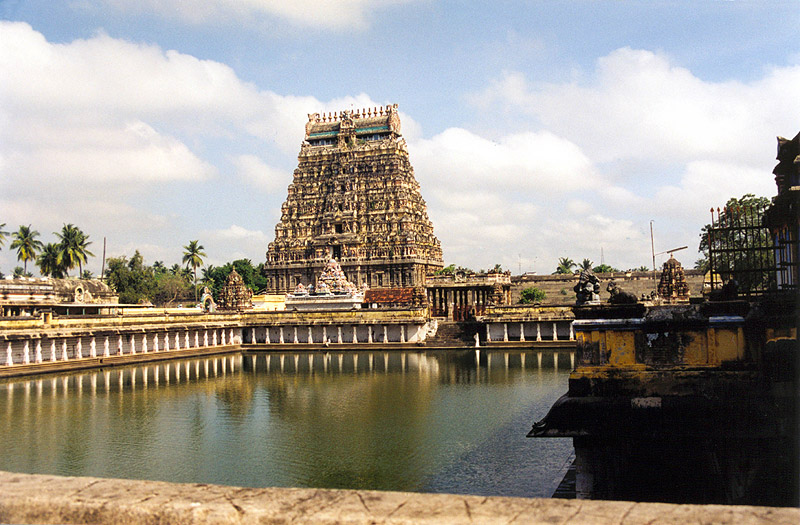
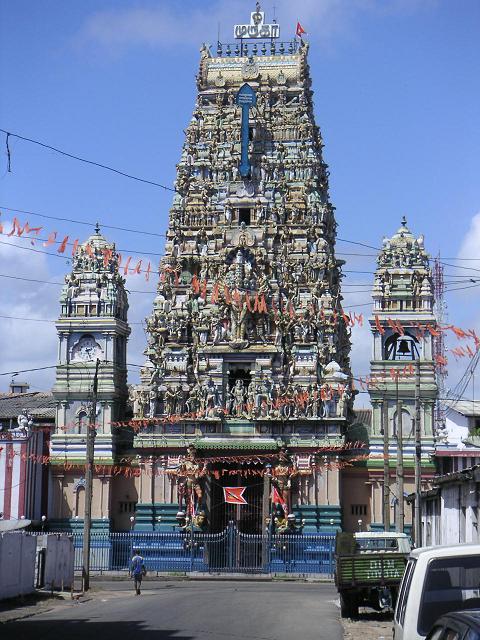

Architecture and main parts
Temple architecture expresses symbolic ideas about the cosmos and the human relationship to the sacred, while meeting practical needs of ritual and assembly. Typical components include:
- Garbhagriha — the inner sanctum that contains the principal murti and is usually entered only by priests.
- Mandapa — a pillared hall for congregational worship, recitation or dance.
- Shikhara or Vimana — the tower above the sanctum, with regional silhouettes.
- Gopuram — large, ornate gateway towers often seen in South Indian temple complexes.
- Pradakshina patha and prakara — circumambulatory paths and enclosing walls used in ritual movement.
Regional styles vary widely: North Indian temples tend to display a curvilinear shikhara, South Indian temples emphasize vast gopurams and axial enclosures, and Himalayan temples may show tiered, pagoda-like roofs. Scholars and guides discuss these differences under topics such as regional styles and the relation of plan to ritual in ritual layout.
Rituals and religious practice
Daily and festival worship centers on the murti. Common practices include puja (offerings of flowers, food, incense and light), darshan (seeing and being seen by the deity), aarti (lamp waving with song) and occasional abhisheka (ritual bathing of the image). The consecration or prana pratishtha that animates a murti is a formal ritual performed by priests; it is regarded as enabling worshippers to relate directly with the divine through the image. Temple ritual life also includes reading of sacred texts, devotional music, and rites associated with life-cycle events.
Temples are focal points for annual and seasonal festivals, processions and pilgrimages that mobilize communities and maintain calendar rhythms; these events are documented in studies of sacred arts and popular devotion.
History, social role and importance
Historically, mandirs have been more than places of worship: they patronised sculpture, painting, music and dance, and they often supported education and charitable activity. Large complexes attracted pilgrims and traders, shaping settlement patterns and local economies. Famous sanctuaries illustrate how a temple can influence regional culture, pilgrimage networks and identity. In many areas temples continue to host community celebrations and seasonal markets, underscoring their social as well as religious roles; see work on community celebrations for examples.
Varieties, governance and contemporary life
Mandirs range from small rural shrines and household altars to monumental historic complexes managed by priestly families, trusts or government agencies. In the modern period diasporic communities worldwide have built mandirs that act as cultural hubs, teaching language and ritual to new generations. Contemporary issues include conservation of historic fabric, the management of pilgrimage flows, balancing tourism with ritual needs, and the economic roles temples play in local economies; further information is available in studies of temple economy and management.
Although styles and practices vary across regions and communities, the mandir remains a central institution in Hindu life: an architectural, ritual and social center that connects belief, art and community across centuries.
Related articles
Author
AlegsaOnline.com Mandir (Hindu Temple): meaning, architecture, rituals and cultural role Leandro Alegsa
URL: https://en.alegsaonline.com/art/61251
Sources
- books.google.com : The Hindu Temple