
Macumba (term and practice in Afro-Brazilian religion)
Macumba is a flexible, often contentious term applied to Afro-Brazilian religious practices and folk magic. It overlaps with Umbanda, Candomblé and Quimbanda and has been used both as an umbrella label and a pejorative.
Macumba is a broadly used and sometimes contested term in Brazil for certain Afro-Brazilian religious practices, rituals, and forms of popular magic. It is not a single, unified religion but an umbrella label that outsiders, practitioners and scholars have applied in different ways. Depending on region and speaker, it can mean a family of syncretic cults, a set of ritual techniques (charms, offerings), or a derogatory name for Afro-origin spiritual traditions.
Image gallery
2 Images
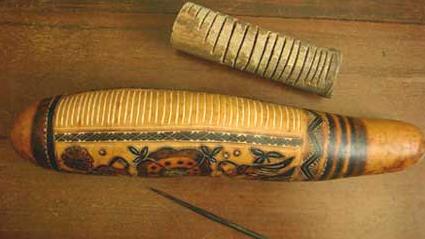
Origins and usage
The word's precise origin is debated; some linguists connect it to Bantu languages and African ritual vocabulary, while others emphasize its evolution in Brazilian Portuguese. Historically, colonial and urban populations used "macumba" to refer to unfamiliar African-derived ceremonies. Over time the term acquired multiple senses: neutral descriptions of popular ritual, slang for sorcery, and pejorative labels used by detractors.
Beliefs and practices
Practices often associated with macumba include drumming, singing, trance possession, spirit mediumship, offerings to spirits or deities, and the making of amulets or ritual objects. Many of these elements appear across related traditions such as Umbanda and Candomblé, while localized forms of Quimbanda emphasize different spirits and ritual goals.
- Musical rites and call-and-response singing
- Offerings of food, candles and symbolic items
- Mediumship, trance states and spirit possession
- Use of charms, prayers and ritual symbolism
Geography and communities
Practices labeled "macumba" are found chiefly in urban centers such as Rio de Janeiro and Bahia, and throughout Brazil. Bahia is noted for strong African cultural continuity, while Rio and São Paulo developed syncretic urban forms. Local houses, terreiros or groups vary widely in theology, organization and ritual style.
Distinctions and contemporary context
Scholars and religious leaders stress distinctions: Candomblé tends to preserve African-derived orixá worship with structured initiations; Umbanda blends Spiritist ideas and Catholic elements; Quimbanda often focuses on different sets of spirits and magical techniques. "Macumba" may refer to all, some, or none of these depending on who's speaking. In recent decades there has been growing recognition of Afro-Brazilian religions' cultural importance and efforts to combat stigma and protect religious freedom.
Note: Because the term is polyvalent and culturally loaded, respectful usage typically favors the specific religion or practice name (for example, Candomblé, Umbanda, Quimbanda) rather than the imprecise label "macumba."
Related articles
Author
AlegsaOnline.com Macumba (term and practice in Afro-Brazilian religion) Leandro Alegsa
URL: https://en.alegsaonline.com/art/60404