
Mahayana Buddhism: the Great Vehicle
Mahayana is a major branch of Buddhism emphasizing the bodhisattva ideal, universal liberation, diverse scriptures and practices, and influence across East Asia and beyond.
Overview
Mahayana (Sanskrit mahāyāna, "Great Vehicle") is one of the principal streams of Buddhist thought and practice. It arose within the broader Buddhist tradition and presents an expansive vision of awakening intended for all beings. Mahayana is usually described in contrast to early schools, emphasizing compassion, the bodhisattva path, and a range of additional scriptures and teachings beyond the earliest collections found in other traditions. For background on the wider religious family, see Buddhism.
Image gallery
10 Images





Beliefs and key concepts
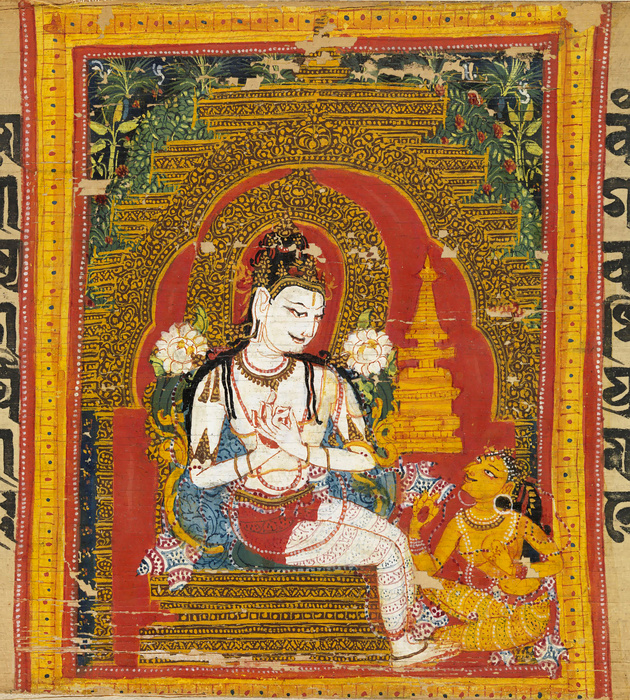
Central to Mahayana is the bodhisattva ideal: practitioners aspire to attain full awakening (Buddhahood) but postpone final nirvana in order to help all sentient beings. Philosophical themes include the doctrine of emptiness (shunyata), skillful means (upaya), and often a two-truths framework combining conventional and ultimate perspectives. Many Mahayana texts treat Buddhahood as the universal potential of mind and describe vast cosmologies, multiple buddhas and bodhisattvas, and practices aimed at realizing wisdom and compassion together.
History and development
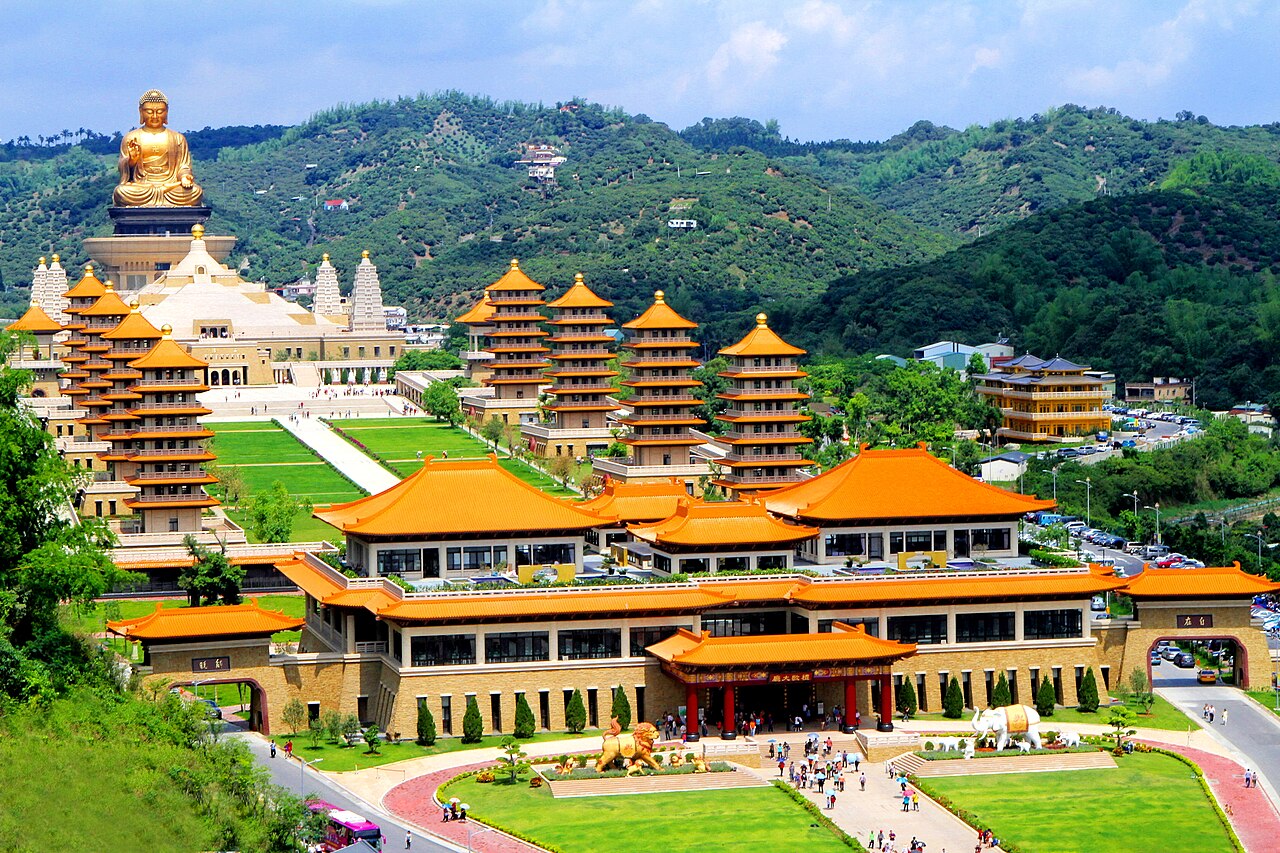
Mahayana appears in historical sources from the first centuries BCE and CE in India and developed as a broad movement rather than a single school. A rich corpus of sutras and commentaries—such as the Prajnaparamita literature, the Lotus Sutra, and others—shaped doctrine and practice. Over centuries Mahayana spread along cultural routes into Central, East and Southeast Asia, where it adapted to local languages, institutions and artistic forms.
Practices and institutions
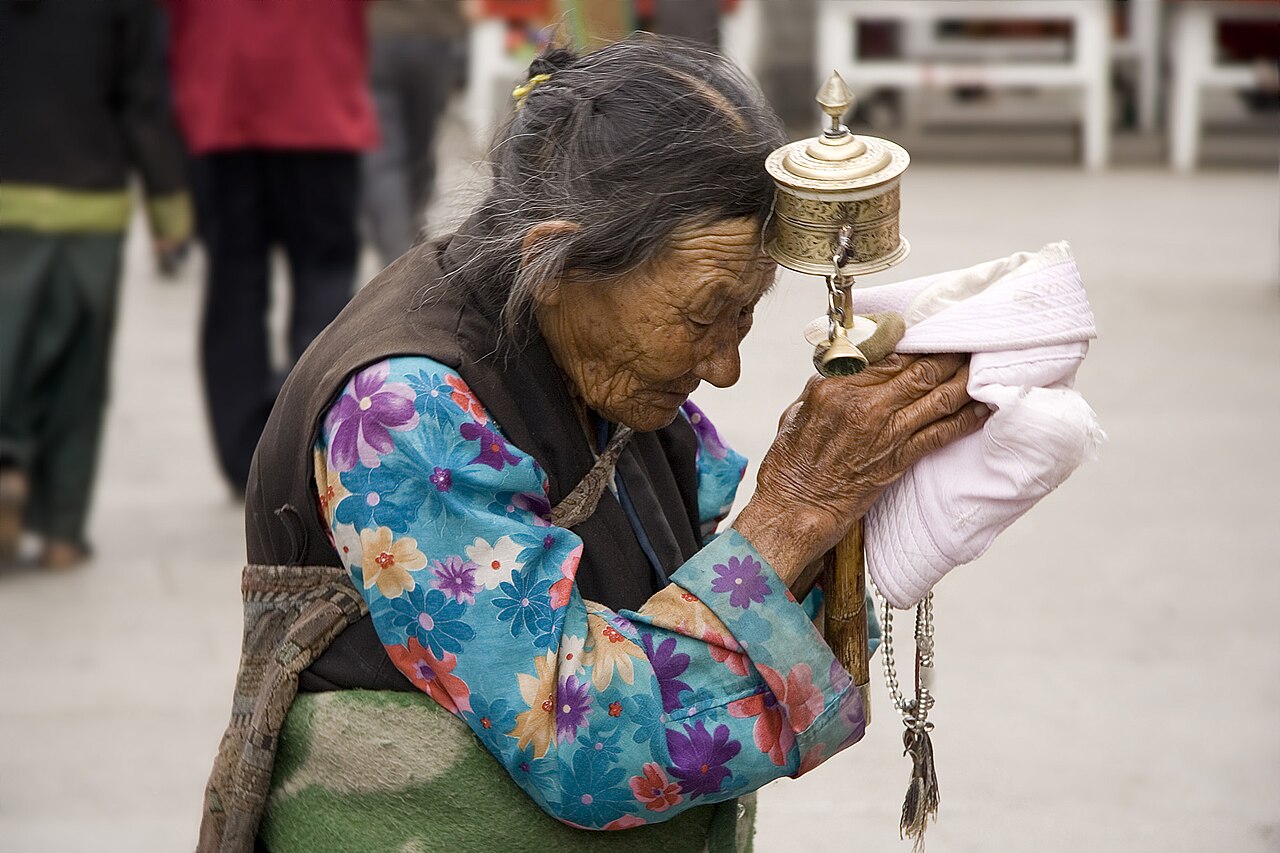
Mahayana practice ranges from meditation and monastic disciplines to devotional and ritual forms. Some communities emphasize meditative insight and teacher-student transmission, while others center on devotional practices like chanting the name of a buddha or invoking bodhisattvas. The tradition has supported diverse monasteries, lay communities, scholastic lineages and artistic production across many societies.
Schools and regional forms
- East Asian forms include Chan/Zen and Pure Land traditions; Zen (Chan) developed distinctive meditative methods within Chinese and later Japanese contexts and interacted with local philosophies such as Confucianism.
- Tiantai (Tendai), Huayan, and Pure Land traditions emphasize different sutras and practice emphases.
- Vajrayana or Tantric Buddhism is often treated as an esoteric development of Mahayana that flourished mainly in Tibet and the Himalayan region.
Distinctive facts: Mahayana had a major impact on Asian religions, arts and ethics; it fostered literatures and philosophical schools that remain influential globally. Debates about origins, canonical boundaries and relationships with other Buddhist schools continue among scholars, while living Mahayana communities carry diverse interpretations and practices into the contemporary world.
Related articles
Author
AlegsaOnline.com Mahayana Buddhism: the Great Vehicle Leandro Alegsa
URL: https://en.alegsaonline.com/art/60711