
Pastor: role, origin, duties, and variations in Christian ministry
A pastor is a Christian leader entrusted with spiritual care, preaching, teaching and administration. Roles, history, ordination, denominational differences, and contemporary functions are explained.
Overview
A pastor is a leader in many Christian congregations responsible for guiding the spiritual life of a church community. Pastors commonly preach, teach, provide pastoral care, oversee worship services and take part in the administration of a congregation. The precise title, duties and authority of a pastor vary by denomination, local tradition and the size of the congregation.
Image gallery
7 Images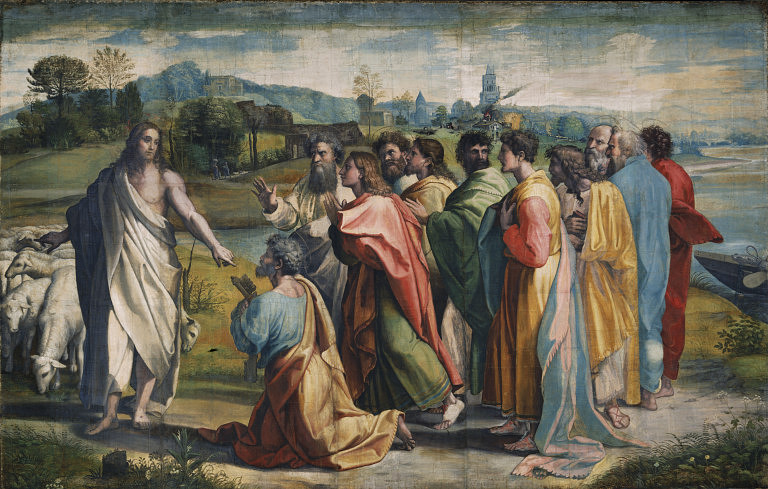


Etymology and historical background
The English word derives from Latin and the pastoral image of a shepherd caring for a flock: the term links the leader's role to tending, protecting and guiding believers. Some churches trace pastoral functions to early Christian offices described in the New Testament and to later distinctions between elders, overseers and priests in church history.
Core duties and typical tasks
- Preaching and teaching: prepare and deliver sermons, Bible studies and educational programs.
- Pastoral care: counsel members, visit the sick, officiate at weddings and funerals, and respond to crises.
- Sacramental and liturgical functions: in traditions that observe sacraments, pastors may lead communion, baptisms and other rites.
- Leadership and administration: coordinate staff and volunteers, manage budgets and represent the congregation publicly.
These responsibilities are often shared: titles such as senior pastor, associate pastor, youth pastor or pastoral assistant indicate areas of focus within larger ministries.
Training, ordination and variations
Many pastors receive formal theological education or training and undergo a process of ordination, commissioning or licensing according to denominational norms. Some communities recognize lay or bi-vocational pastors who combine ministry with secular work. Views on who may be ordained, including women and married individuals, differ across traditions.
Relations, distinctions and contemporary issues
Pastors are sometimes called ministers, clergy or reverends; distinctions among pastor, priest, elder and bishop reflect theological and organizational differences. Contemporary concerns include accountability, ethical standards, mental-health awareness, and the adaptation of pastoral work to digital and multicultural contexts. For further reading on the linguistic origin, see Latin source and the shepherd metaphor in Christian literature at shepherd imagery.
Related articles
Author
AlegsaOnline.com Pastor: role, origin, duties, and variations in Christian ministry Leandro Alegsa
URL: https://en.alegsaonline.com/art/74965