
Liturgy: Forms, Structure, and Significance
An overview of liturgy as ordered public worship: its structure, history, common elements, uses across traditions, and distinctions from non-liturgical practices.
Overview
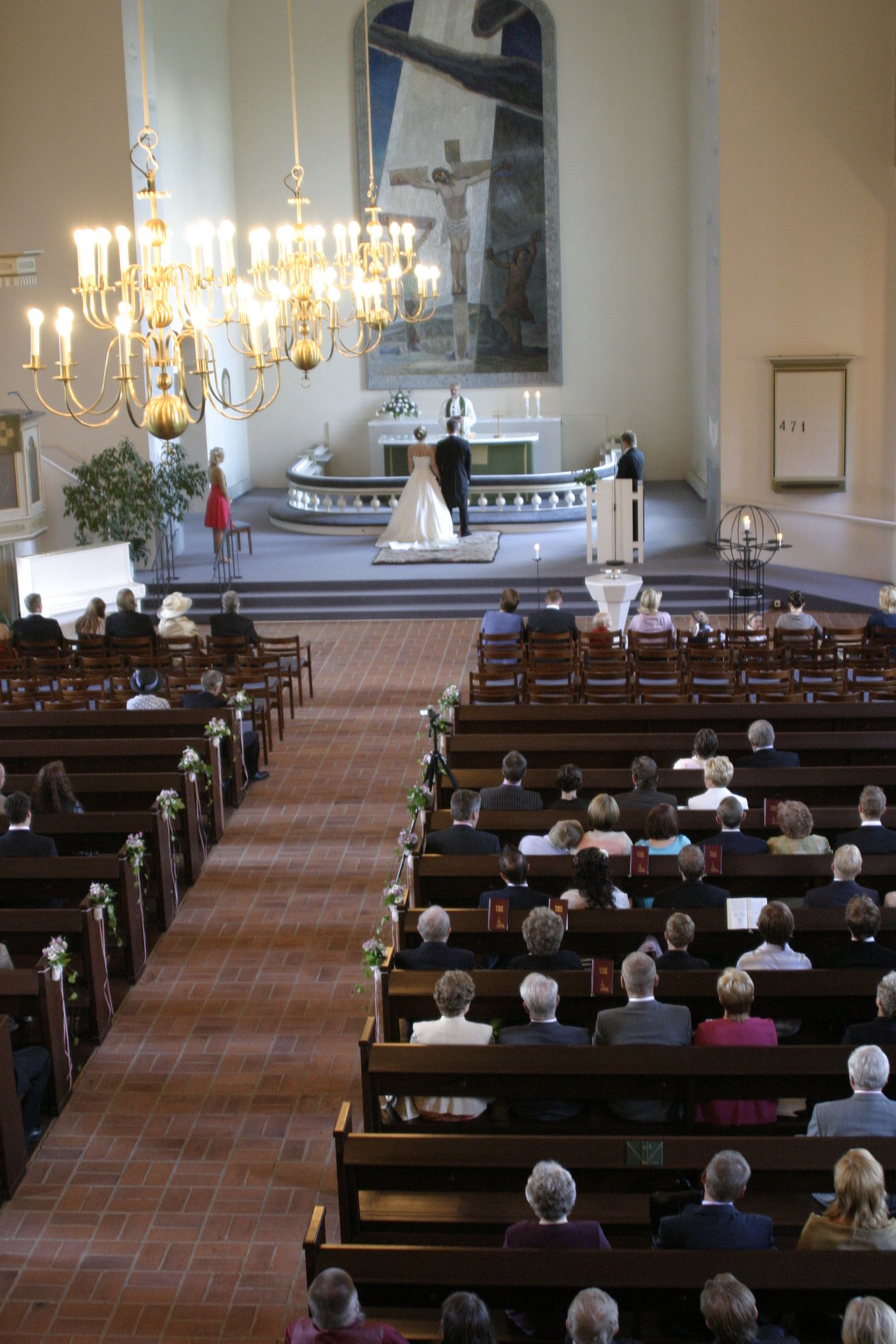
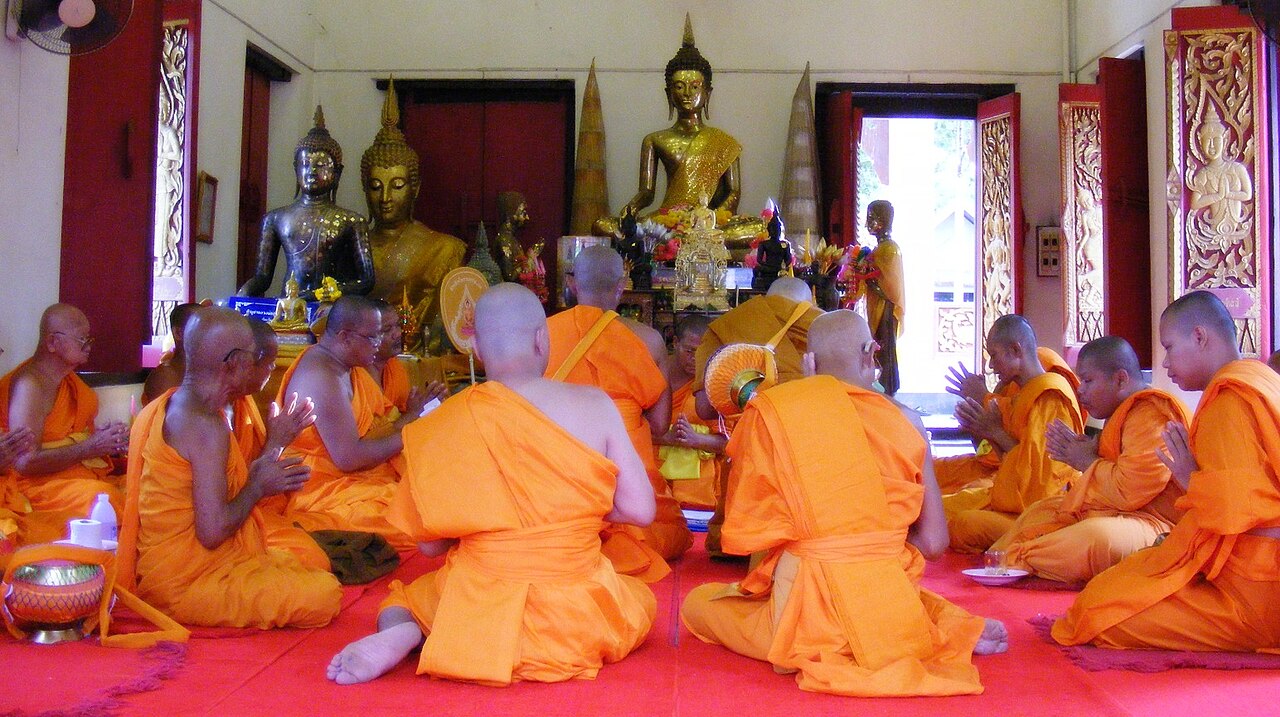
Liturgy refers to a prescribed public ceremony or sequence of actions performed by a community, most often in a religious context. It can denote a brief communal rite or an intricate, symbol-rich ritual. For many Christians the word evokes the celebration of the Mass, while in Islam the term points to regular prayer cycles such as the Salats. In common usage, "the liturgy" often describes a standardized order of worship observed by Anglican, Orthodox and Lutheran churches and others.
Image gallery
5 Images


Structure and common elements
Most liturgies follow a recognizable shape that helps participants move from preparation to communal action and dismissal. Typical elements include:
- An opening or call to worship;
- Readings, prayers, and responses;
- Sacraments or rites such as the Eucharist or Communion in Christian traditions;
- Music, chanting or hymns;
- A concluding blessing and dismissal.
History and development
Liturgy developed as communities sought stable, repeatable forms for worship, education, and identity. Over centuries local customs, theological priorities, and languages shaped distinct rites. Reforms periodically standardized or revised liturgies—sometimes restoring older forms, other times creating new ones—so that practice both preserves tradition and responds to pastoral needs.
Uses and examples
Beyond religious services, liturgical forms structure rites of passage (baptism, marriage, funerals), seasonal celebrations, and civic ceremonies. They teach doctrine through enacted narrative, foster communal memory, and provide predictable contexts for prayer and reflection. Different faiths and denominations emphasize varying degrees of formality: some maintain a tightly scripted order, while others permit improvisation within common frameworks.
Distinctions and notable facts
One important distinction is between liturgical and non-liturgical worship. Movements like the Religious Society of Friends (Quakers) practice open or waiting worship without a set order and are therefore often described as non-liturgical. Conversely, churches that refer to "the liturgy" usually mean an agreed, communal pattern that identifies and unites the congregation across time and place.
Understanding liturgy illuminates how communities express belief, transmit tradition, and shape spiritual experience through ordered, communal practice.
Questions and answers
Q: What is a liturgy?
A: A liturgy is a ceremony or ritual according to the traditions of a particular group or event, often observed during a religious service.
Q: What does liturgy mean in religion?
A: In religion, liturgy may refer to an elaborate formal ritual, such as the Catholic Mass, or a daily activity like the Muslim Salats.
Q: Which religious groups refer to a standardized order of events during a service as "the liturgy"?
A: Anglican, Orthodox, Lutheran, and other groups refer to a standardized order of events observed during a religious service, often including the Eucharist or Communion, as "the liturgy".
Q: How is a non-liturgical service different from a liturgical service?
A: A non-liturgical service, like the open or waiting worship of Quakers, has no structured order of events, while a liturgical service does.
Q: Can liturgy be a daily activity?
A: Yes, in religion, liturgy can refer to a daily activity, such as the Muslim Salats.
Q: Is the Catholic Mass an example of liturgy?
A: Yes, the Catholic Mass is an example of liturgy as it is a formal religious ceremony.
Q: What does the term liturgy refer to in broader terms?
A: In broader terms, liturgy refers to a ceremonial or formal event or activity that follows a specific order or structure.
Related articles
Author
AlegsaOnline.com Liturgy: Forms, Structure, and Significance Leandro Alegsa
URL: https://en.alegsaonline.com/art/58547
Sources
- quakerinfo.org : "What Do Quakers Believe?"