
History of North America
A concise, structured overview of North American history from first peoples and regional cultures through European colonization to modern political, social, and economic developments.
Overview
North America comprises a large and varied continent whose human history is relatively recent compared with regions such as Africa, Europe and Asia. The historical narrative spans the arrival of the first peoples, the development of complex regional societies, sustained contact and conflict with European colonizers, and the emergence of modern nation-states and transnational dynamics.
Image gallery
10 Images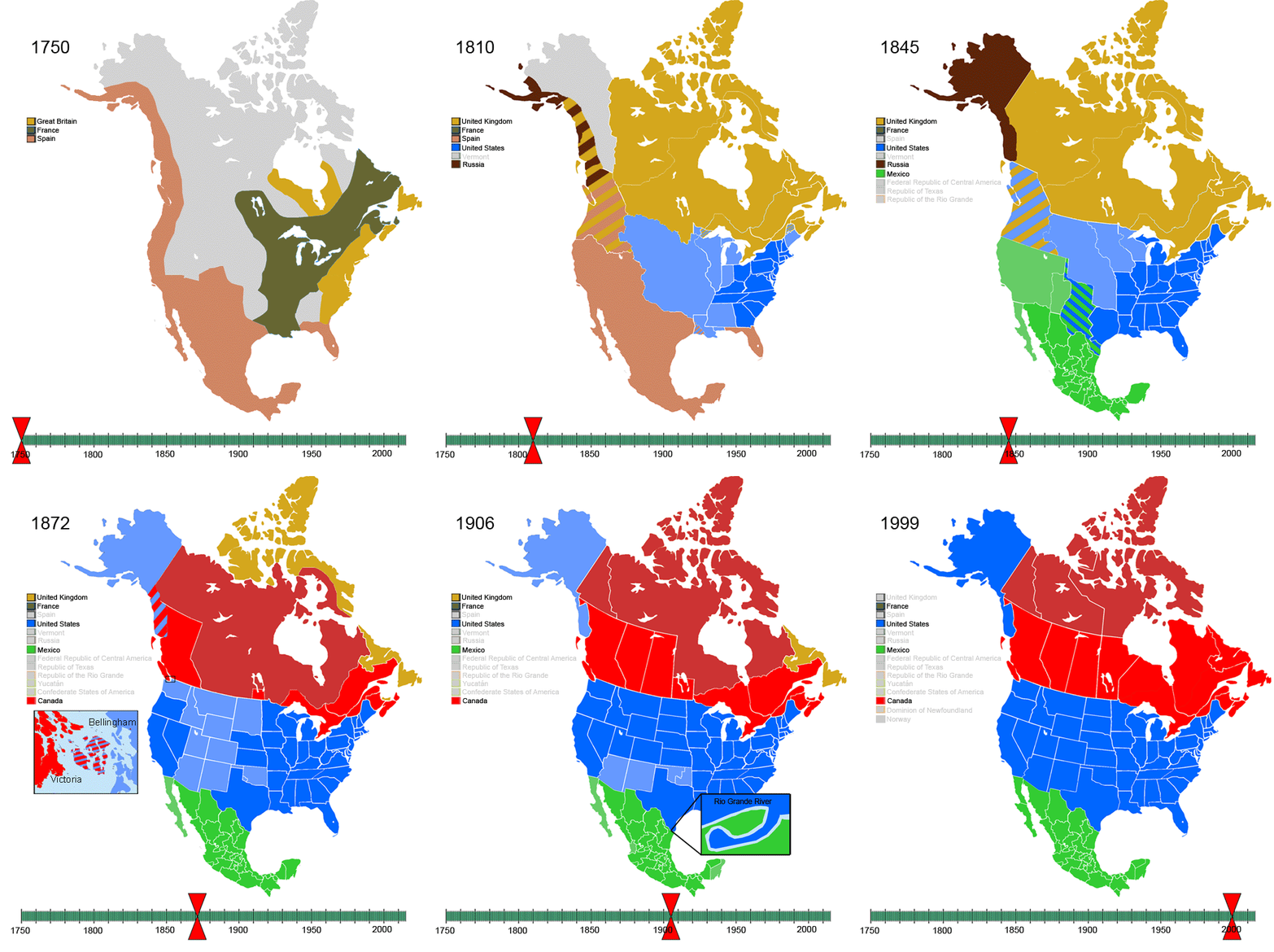




Early inhabitants and Indigenous perspectives
Archaeology identifies several stages of prehistoric occupation—often described as Paleo-Indian, Archaic and later regional cultural horizons—marked by adaptations to diverse environments from Arctic tundra to temperate forests and plains. Scientific theories emphasize migrations from Asia by coastal routes or across the Bering land bridge. Indigenous communities, however, express their own understandings of origin and place through the many creation narratives held by the indigenous peoples of North America, and these traditions remain central to cultural identity and historical memory (creation stories).
Regional societies and developments
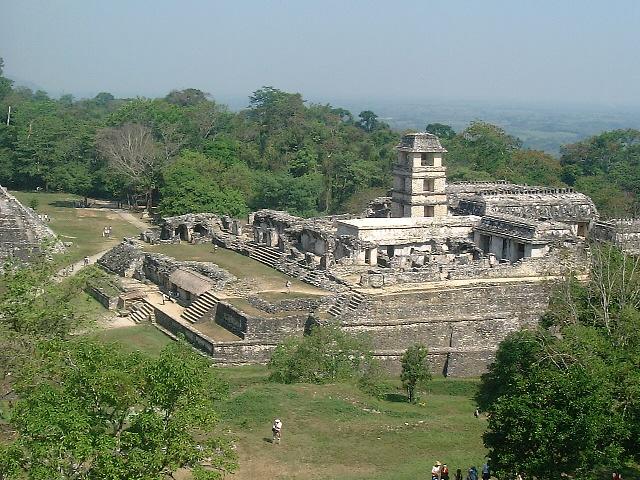
Before sustained European contact, North America hosted a variety of organized societies: complex agricultural civilizations in parts of Mesoamerica and the American Southwest, mound-building polities such as the Mississippian chiefdoms, and mobile hunter-gatherer and fishing cultures in the Arctic and subarctic. Trade networks, political confederacies, and distinctive artistic and spiritual traditions illustrate the continent’s diversity.
European contact and colonial era
From the late 15th century onward, explorers and colonists from several powers established footholds, reshaping demographics and politics. Major colonial actors included:
- Spain — extensive holdings in the south and southwest;
- France — fur trade and settlements in the interior and north;
- Britain — colonies along the Atlantic seaboard and Canada;
- Netherlands and later other European states — trading posts and colonies;
- Russia — presence in Alaska and Pacific Northwest.
Consequences included the spread of Old World diseases, forced displacement of Indigenous peoples, the transatlantic slave trade, and economic systems based on plantation agriculture and resource extraction.
Nation-building, conflict and modernization
The 18th and 19th centuries saw the formation of modern states: the United States, independent Latin American republics, and the Canadian Confederation, alongside continuing colonial and imperial contests. Industrialization, territorial expansion, wars, and migration transformed societies. Policies toward Indigenous nations, patterns of land tenure, and the legacy of slavery shaped social and political struggles well into the 20th century.
Contemporary themes and significance
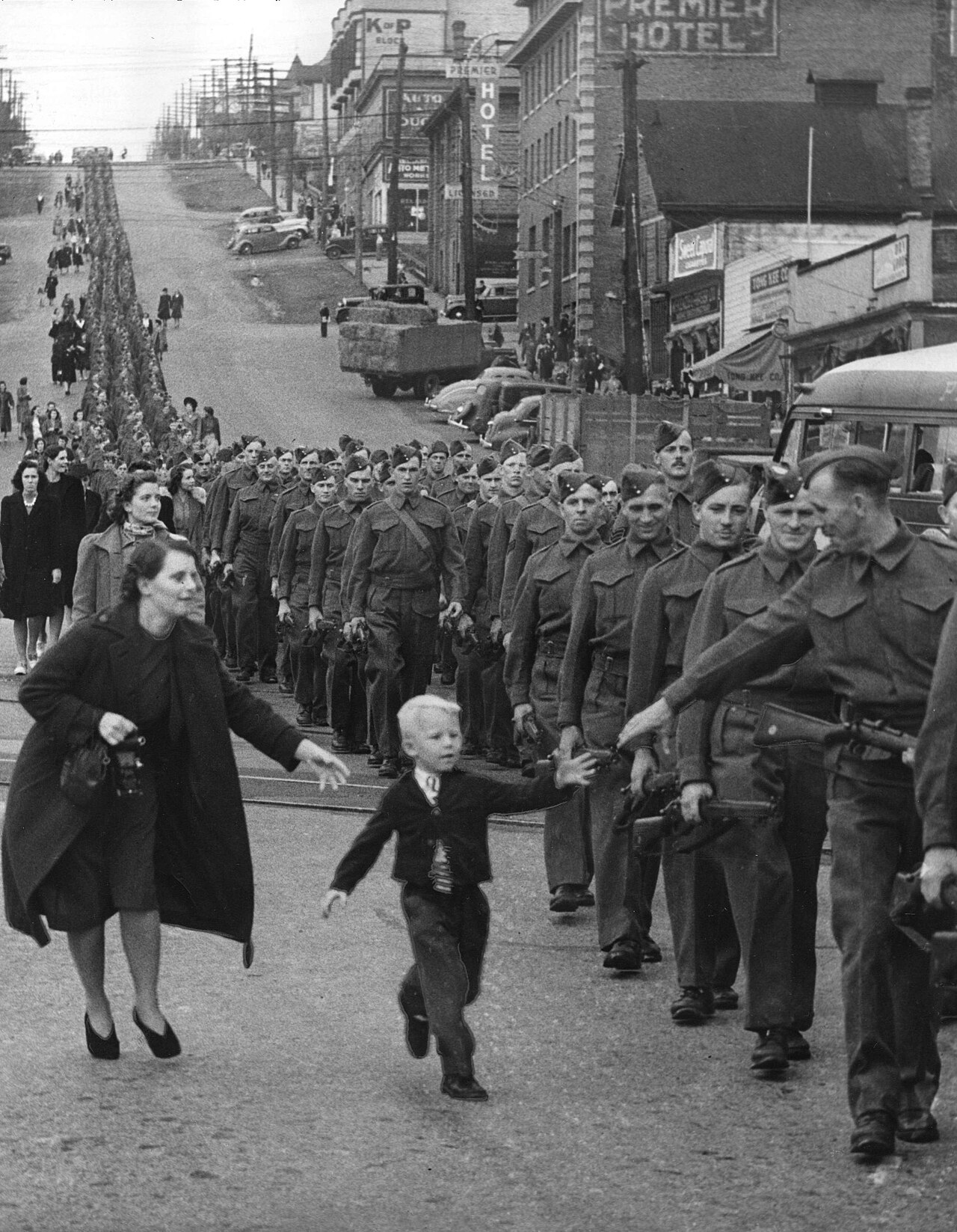
In the 20th and 21st centuries North America has been marked by economic integration, large-scale migration, urbanization, environmental challenges and growing movements for Indigenous rights and cultural revival. Cross-border trade, regional organizations and shared environmental concerns underscore the interconnected and evolving nature of the continent’s history.
For further background and thematic studies, consult regional histories, archaeological syntheses, and Indigenous-authored works to appreciate both scientific and indigenous perspectives on the continent’s past.
See also Africa • See also Europe • See also Asia • Indigenous peoples • Creation narratives
Questions and answers
Q: What is the topic of this text?
A: The topic of this text is the history of North America.
Q: How long have humans been living in North America compared to other continents?
A: Humans have been living in North America relatively recently compared to Africa, Europe, and Asia.
Q: What theories do scientists have about the origins of early human population on the continent?
A: Scientists have different theories as to the origins of the early human population on the continent.
Q: Do native Americans have stories that tell how they came to be present on the land?
A: Yes, native Americans have many creation stories that tell that they have been present on the land since its creation.
Q: Where did humans first come from when settling in North America?
A: It is not known exactly where humans first came from when settling in North America.
Q: How long ago did native Americans arrive in North America?
A: It is not known exactly how long ago native Americans arrived in North America.
Q: Are there any written records about how humans first populated North America?
A: There are no written records about how humans first populated North America; however, there are indigenous peoples' creation stories which provide insight into their presence on the land since its creation.
Related articles
Author
AlegsaOnline.com History of North America Leandro Alegsa
URL: https://en.alegsaonline.com/art/44476
Sources
- links.jstor.org : Nits Make Lice: Drogheda, Sand Creek, and the Poetics of Colonial Extermination