
St. Augustine, Florida — America's Oldest Continuously Occupied European Settlement
St. Augustine, founded in 1565 by Pedro Menéndez de Avilés, is the oldest continuously occupied European-established city in the continental United States, noted for Spanish colonial architecture and Castillo de San Marcos.
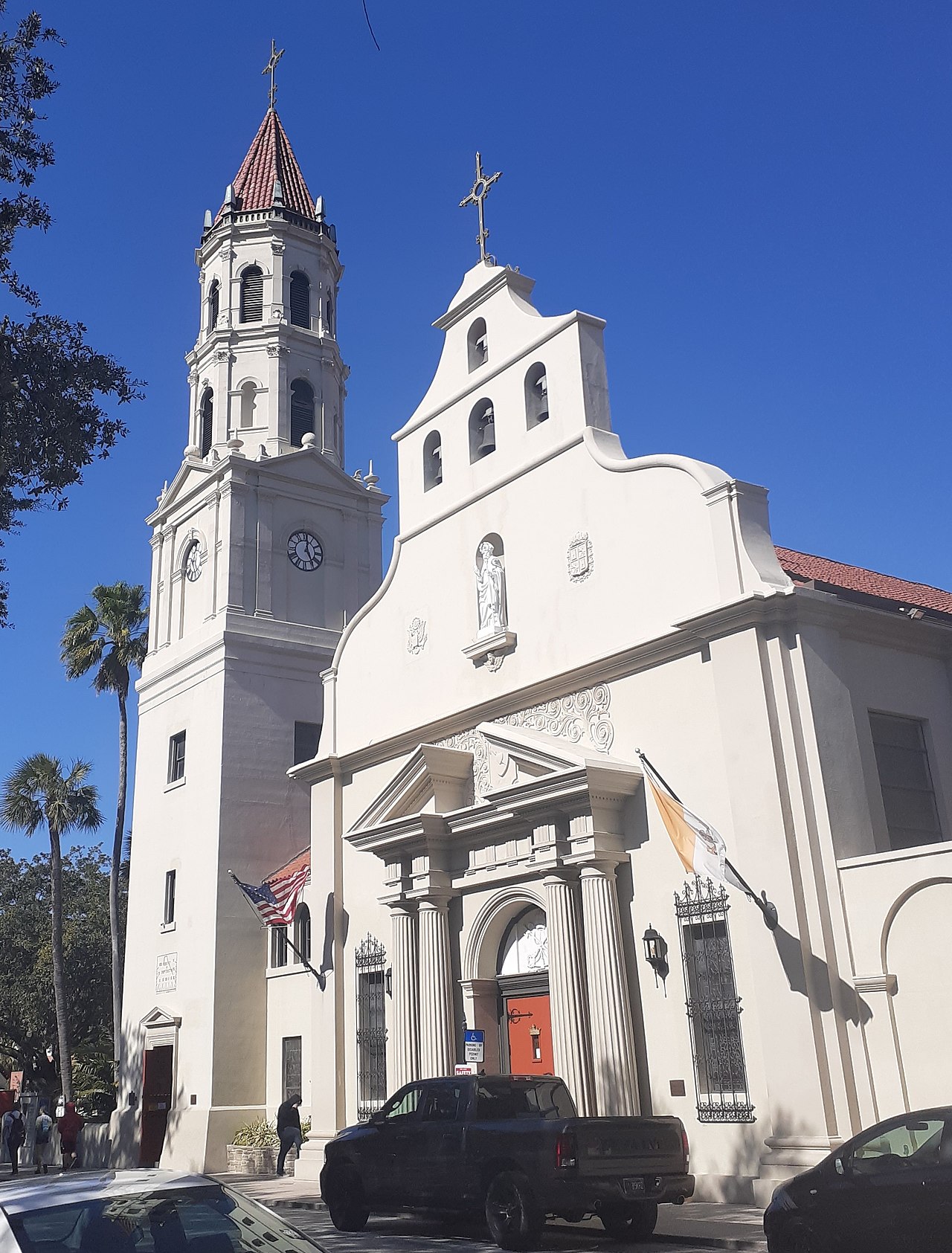
St. Augustine is a coastal city on Florida’s northeastern shore with a continuous European-founded presence dating to the mid-16th century. Established in 1565, it is widely cited as the oldest continuously occupied European-established settlement in what is now the continental United States. The city’s historic core preserves a compact street plan and a variety of structures that reflect Spanish, British and American periods. Visitors and scholars alike are drawn to its fortifications, churches, museums and layered urban fabric.
Image gallery
10 Images



Founding and early history
The settlement was founded by the Spanish admiral Pedro Menéndez de Avilés in 1565 as part of Spain’s effort to secure shipping lanes and establish a base in La Florida. The location had strategic value: a protected harbor, nearby resources, and access to maritime routes. Over the next two centuries the town was a focus of imperial competition in North America, especially between Spain and England. English forces and privateers from the English colonies threatened or attacked St. Augustine in notable episodes such as the 1586 raid often associated with Sir Francis Drake (1586), and later sieges and raids in 1702 and 1740. References to England’s role in these encounters appear in many historical summaries (England).
Diplomacy and transfers of control
European treaties altered the city’s sovereignty more than once. After the Seven Years’ War, Spain ceded Florida to Britain in the 1763 Treaty of Paris, a transfer connected in historical accounts to the wider conflict sometimes called the French and Indian War (French and Indian War). Following the American Revolution, the 1783 Treaty of Paris returned the peninsula to Spanish control. In the early 19th century the Adams–Onís agreement arranged the transfer of Florida to the United States; the treaty and associated negotiations are discussed in many summaries of the period (Adams–Onís, 1819).
Castillo de San Marcos and military architecture
The most prominent surviving structure is the Castillo de San Marcos, a masonry fortification built to guard the port and town. Constructed using local coquina and worked masonry between the late 17th century and the close of that century, the Castillo exemplifies Spanish military engineering adapted to available materials and repeated military pressure. It served as a defensive bulwark during attacks and as a garrison in successive administrations.
Culture, archaeology and preservation
St. Augustine’s historic district offers a concentration of museums, archaeological sites, historic house museums, and interpretive programs that cover colonial life, maritime history and Indigenous presence before and after European contact. Archaeological investigation continues to reveal information about early settlement patterns, material culture, and interactions among Spanish settlers, enslaved and free African people, Indigenous communities, and later British and American occupants. Preservation work addresses masonry conservation, stabilization of structures, and the sensitive presentation of layered histories to diverse audiences.
Tourism, community and economy
Today the local economy draws on cultural tourism, education and coastal recreation. Events, living history programs, guided tours and festivals support public engagement with the past while small businesses, restaurants and artisans occupy the city’s preserved commercial corridors. The challenge for residents and managers is to balance visitor services with conservation, community needs and long-term stewardship of historic resources.
Notable sites
- Castillo de San Marcos — the large masonry fort overlooking the harbor.
- Historic district — plazas, narrow streets and colonial-era buildings reflecting multiple periods.
- Museums and cultural centers — interpretive venues covering colonial, maritime and Indigenous histories.
- Coastal areas and preserves — beaches, marshes and natural areas adjacent to the city.
For readers seeking further information, consult specialized histories, local archives and official visitor resources that discuss the city’s founding by Pedro Menéndez de Avilés, accounts of the 1586 raid (1586), later conflicts in 1702 and 1740, diplomatic transfers like the 1763 Treaty of Paris and the 1783 Treaty of Paris, and the Adams–Onís arrangements (Adams–Onís, 1819). Context on Anglo-Spanish rivalry and colonial administration is useful for understanding St. Augustine’s long and multilayered history (England, French and Indian War).
Author
AlegsaOnline.com St. Augustine, Florida — America's Oldest Continuously Occupied European Settlement Leandro Alegsa
URL: https://en.alegsaonline.com/art/146008