
History of Kansas: From Indigenous Homelands to Modern Statehood
Concise history of Kansas: Indigenous peoples and bison, European contact, territorial conflict, Bleeding Kansas, statehood, agriculture, railroads, migration, politics, environment and cultural legacies.
Overview
Kansas lies at the heart of the North American Great Plains. Its history spans the long occupation of Indigenous nations, dramatic changes brought by European contact and colonial claims, rapid American settlement in the 19th century, and continuing economic and political transformations in the 20th and 21st centuries. Key themes include the centrality of bison and the prairie, contesting claims by Spain and France, incorporation into the United States, the violent politics of slavery and territorial settlement, frontier and railroad development, and the rise of commercial agriculture.
Image gallery
10 Images





Indigenous peoples and the prairie
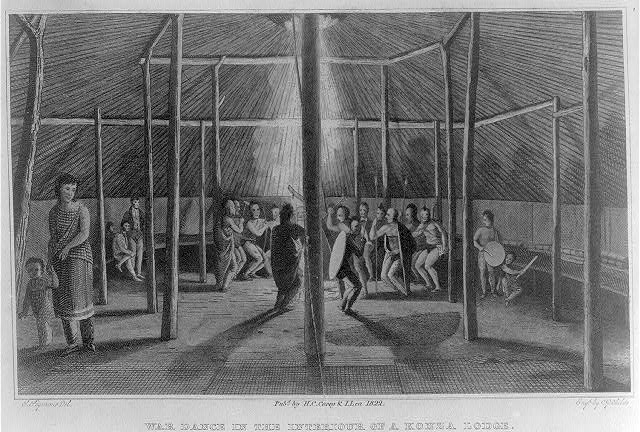
The land now called Kansas was home to diverse Indigenous nations for millennia. Many groups practiced mobility adapted to the plains, and their lifeways were closely tied to the American bison, wild plants, and river corridors. The region hosted distinctive cultures and political organizations; Indigenous communities managed resources, traveled trade routes and formed alliances across the plains. For introductions to these peoples and their histories see overviews of Native American presence on the plains.
European contact and competing claims
European entry began with early Spanish exploration and intermittent contact in the 16th and 17th centuries, followed by a stronger French presence centered on the fur trade. Spanish explorers and missionaries reached parts of the interior; later French traders and trappers established networks of exchange and relationships with Indigenous peoples. The Spanish and French eras left place names, trade patterns and diplomatic legacies, while the fur trade tied the region into transcontinental economic systems.
United States acquisition and territorial era
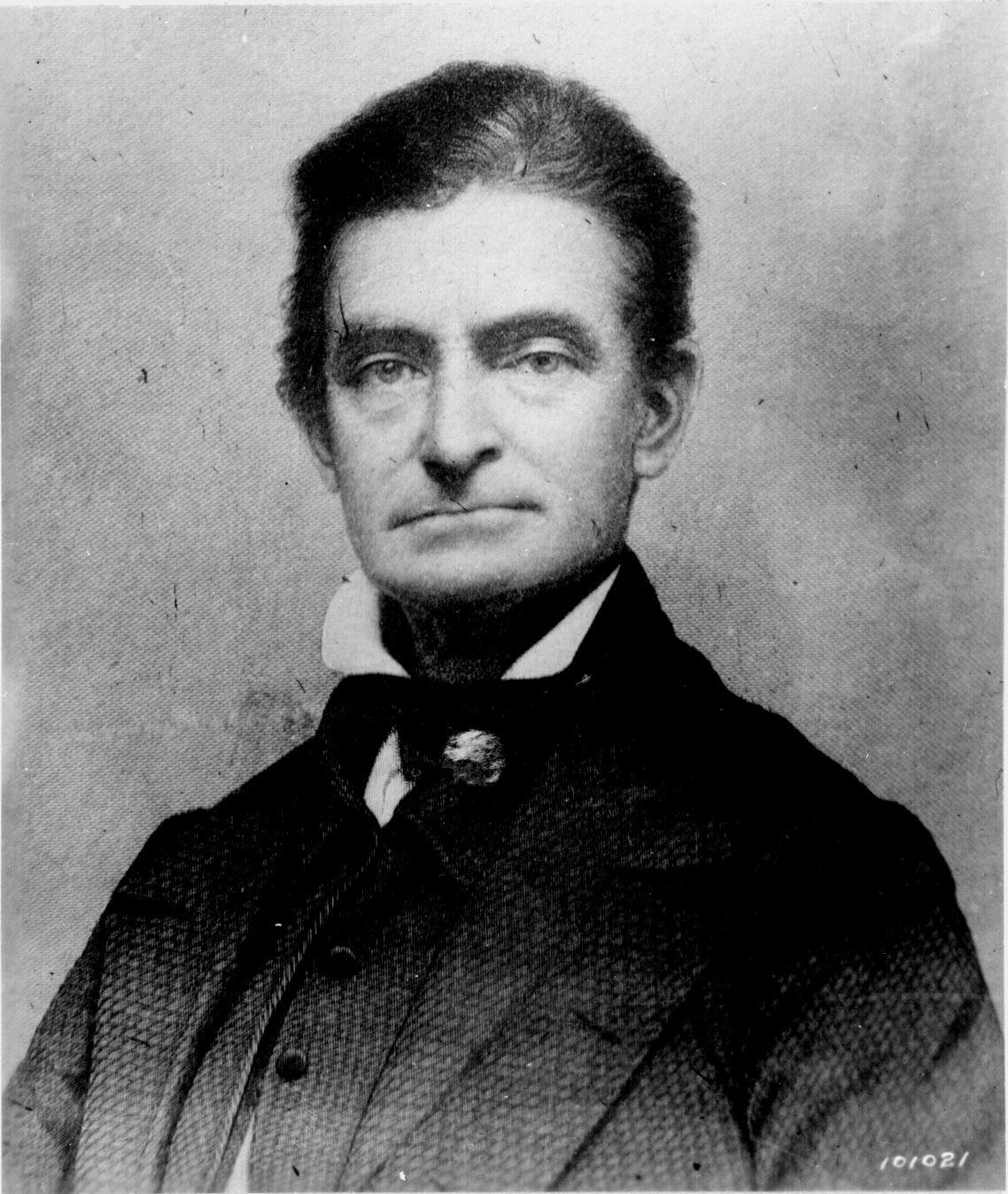
Most of Kansas became U.S. territory with the Louisiana Purchase in 1803. Over the following decades the federal government negotiated, relocated and sometimes forcibly removed Indigenous nations. As U.S. settlers arrived in greater numbers, the political fate of new territories became a national question. The debate over slavery intensified in the 1850s after the Kansas–Nebraska Act, when settlers voting on the issue produced violent confrontations known as "Bleeding Kansas," events that fed into the larger crisis leading to the American Civil War.
Statehood, war and migration
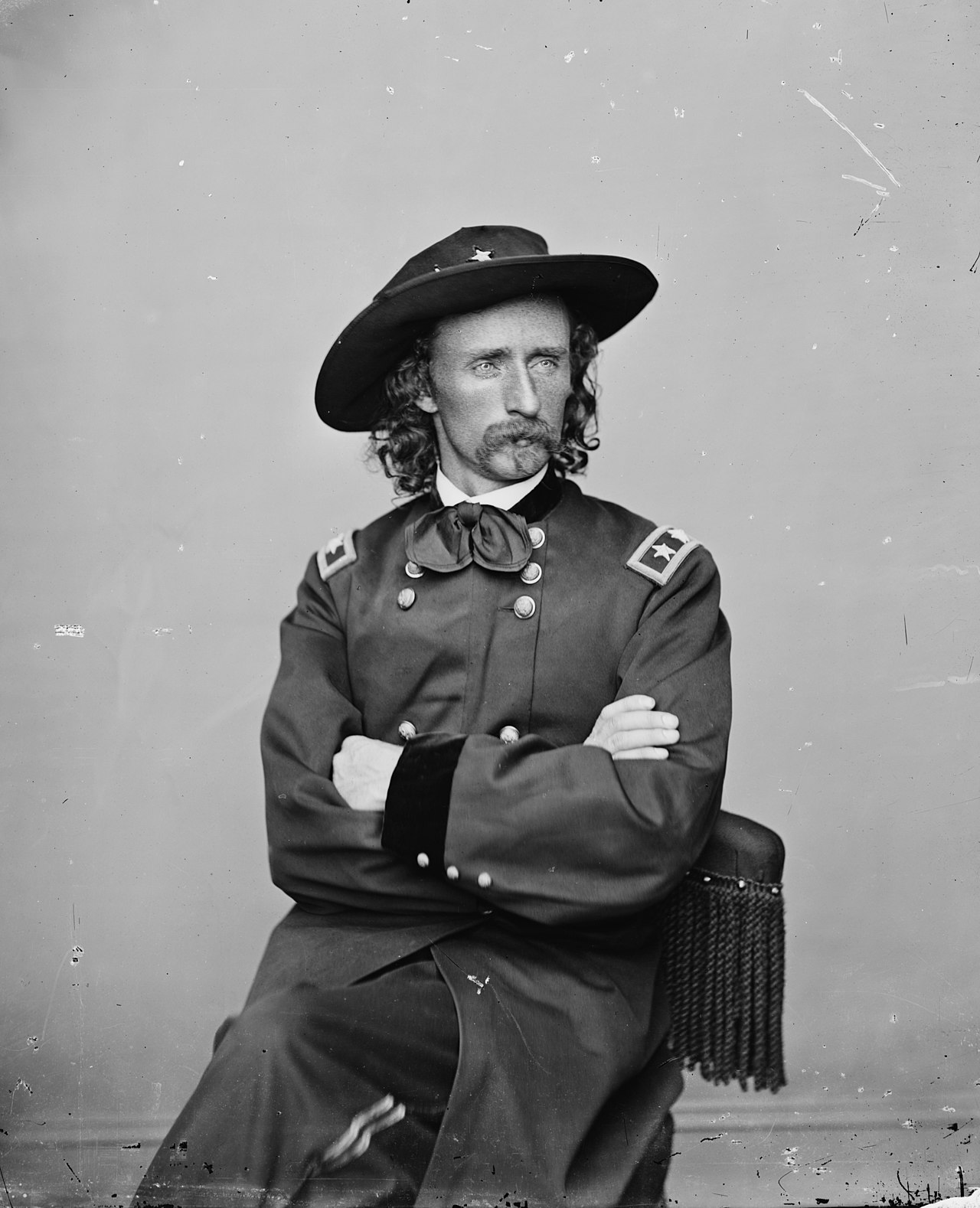
Kansas entered the Union in 1861 as a free state. During and after the Civil War the state experienced military movements, partisan conflict and waves of migration. Many freed people and migrants from the South and Midwest sought land and new communities in Kansas; later the postwar movement of African Americans to Kansas was often described under the term Exodusters. These migrations reshaped towns and agricultural patterns.
Frontier towns, railroads and cattle
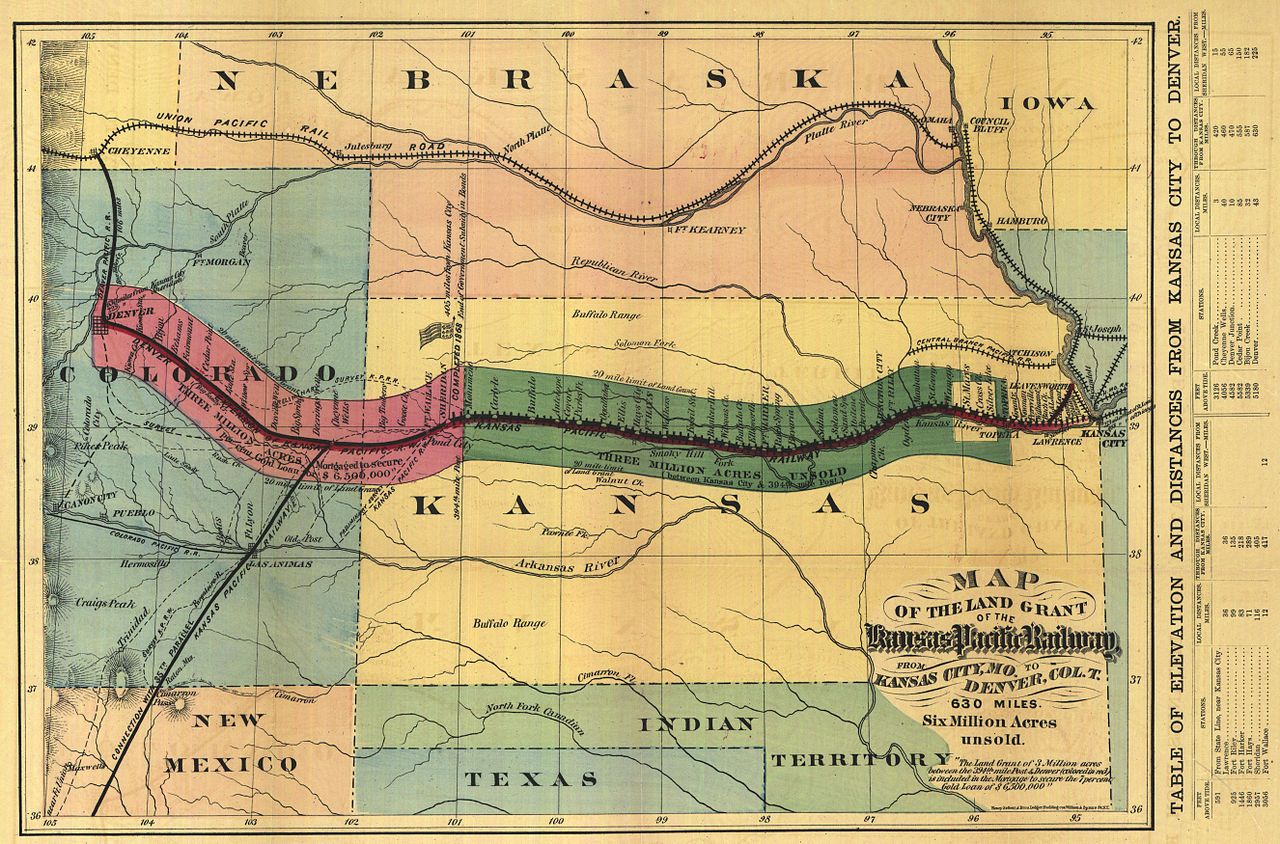
After the Civil War rapid settlement, railroad construction and cattle commerce transformed the state. Rail lines created markets and attracted settlers, while towns grew as service and trade centers. Kansas was a major terminus for long-distance cattle drives from Texas and for the shipment of livestock and grain. Frontier towns served as social and economic hubs and left a visible legacy in settlement patterns and local institutions (frontier towns).
Agriculture, markets and political movements
Farmers experimented with crops and stock suited to the region’s climate. Corn and pork were common attempts in some districts, and livestock remained important (livestock), but wheat proved especially well adapted to Kansas soils and climate. By the late 19th century Kansas became a major wheat-producing region, supplying domestic markets and exporting grain to distant buyers (wheat, European trade). Economic cycles, price volatility and credit problems helped fuel agrarian political movements such as Populism and contributed to Progressive-era reforms.
20th century to present: economy, politics and environment
Over the 20th century Kansas underwent mechanization of agriculture, urbanization, and the growth of manufacturing and services. The number of small family farms declined while larger, mechanized farming increased. Politically the state developed a reputation for conservative tendencies in many areas, though local and national issues produced varied alliances and reforms. Environmental challenges—periodic droughts, soil conservation needs and the Dust Bowl era—shaped farming practices and policy responses.
Cultural legacies and further study
Kansas history intersects with Indigenous sovereignty, frontier settlement, African American migration, immigrant labor, and national debates about slavery, federal power and agricultural policy. For introductory and archival material consult state historical societies, local county records and general histories of the Great Plains. Useful thematic entries and collections cover Indigenous nations, the fur trade, bison ecology (bison), settlement of frontier towns, cattle routes (cattle drives), connections to Texas cattle markets, agricultural change including wheat production, and the migrations of Exodusters. For context on national issues see resources on the Louisiana Purchase, the slavery controversy and the Civil War. Further reading and primary-source collections are available through state and university archives and public history projects.
Questions and answers
Q: Who were the first people to live in Kansas?
A: The first people to live in Kansas were Native Americans who were nomadic.
Q: What did they hunt?
A: They hunted American bison.
Q: When did the United States add most of Kansas?
A: The United States added most of Kansas in the Louisiana Purchase in 1803.
Q: What happened after the Civil War that caused many black people to move from the south to Kansas?
A: After the Civil War, many black people moved from the south to Kansas and these people were called "exodusters".
Q: What did farmers try growing but had difficulty with due to lack of rain?
A: Farmers tried growing corn and raising pigs, but there was little rain, so they were not able to.
Q: How did farmers become successful after this difficulty?
A: They started growing wheat and became very good at it, having enough to trade with Europe.
Q: What movement began in the 1890s that angry farmers supported until 1940s?
A: In the 1890s, many angry farmers joined the Populist and Progressive movement and supported it until 1940s.
Related articles
Author
AlegsaOnline.com History of Kansas: From Indigenous Homelands to Modern Statehood Leandro Alegsa
URL: https://en.alegsaonline.com/art/44474
Sources
- ereferencedesk.com : "Kansas Early History: Kansas First Inhabitants"
- apps.dtic.mil : "A Brief History of Fort Leavenworth"
- digital.library.okstate.edu : "CONTENTdm"
- nebraskastudies.org : "The Treaty with the Oto and Missouri Tribes of 1833"
- civilwaronthewesternborder.org : "Wakarusa War"
- kshs.org : "The University of Kansas and the Sack of Lawrence: A Problem of Intellectual Honesty"