
History of Japan: from prehistoric settlements to the modern nation-state
A concise, chronological overview of Japan’s history covering prehistoric settlement, state formation, feudal eras, isolation and reopening, modernization, wartime experience, and postwar recovery.
The history of Japan spans prehistoric hunter-gatherer communities, the rise of early states, long periods of feudal rule, and transformation into a modern industrial nation. Written records appear from about the 1st century CE, but archaeological research shows people living on the archipelago for many millennia after the end of the last Ice Age; see the archaeological record at archaeological sites and studies of post-glacial environments such as the last Ice Age.
Image gallery
10 Images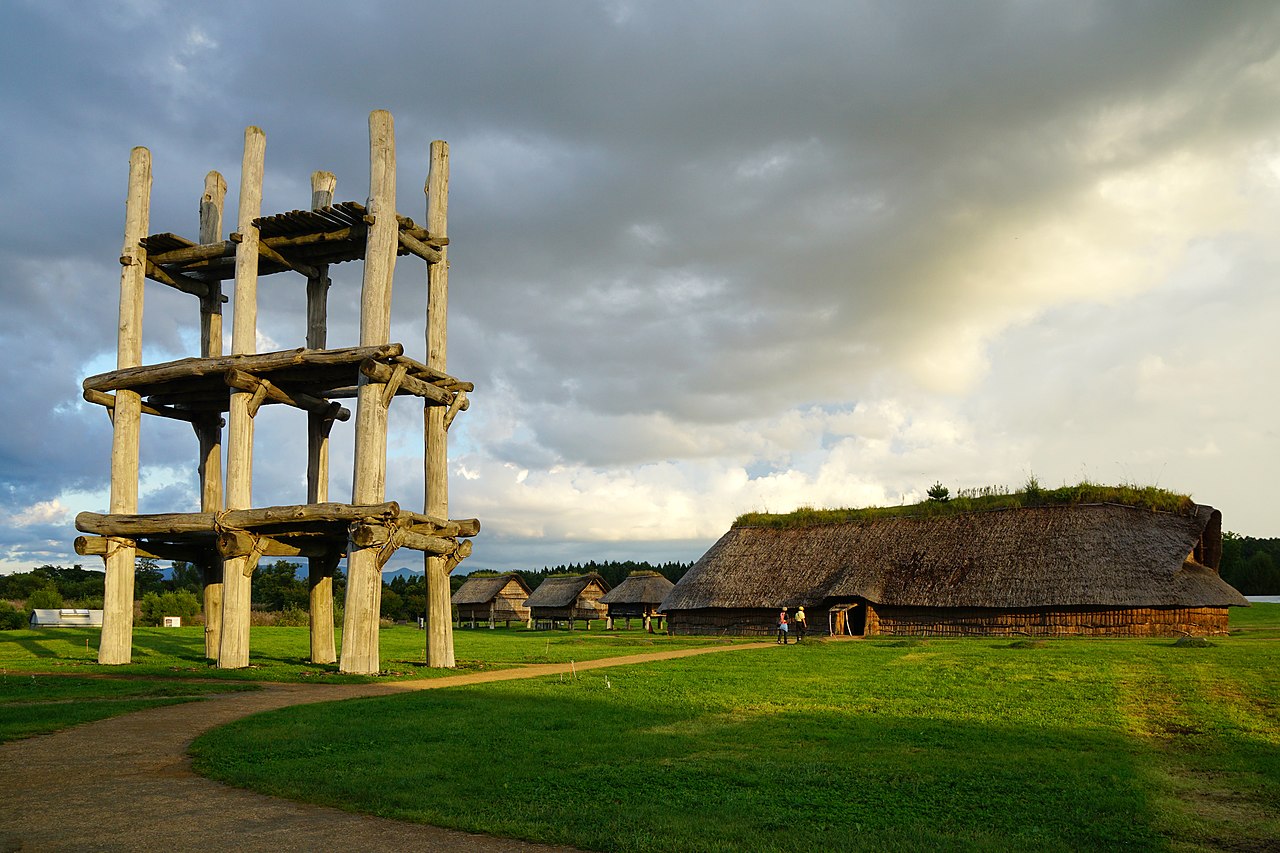


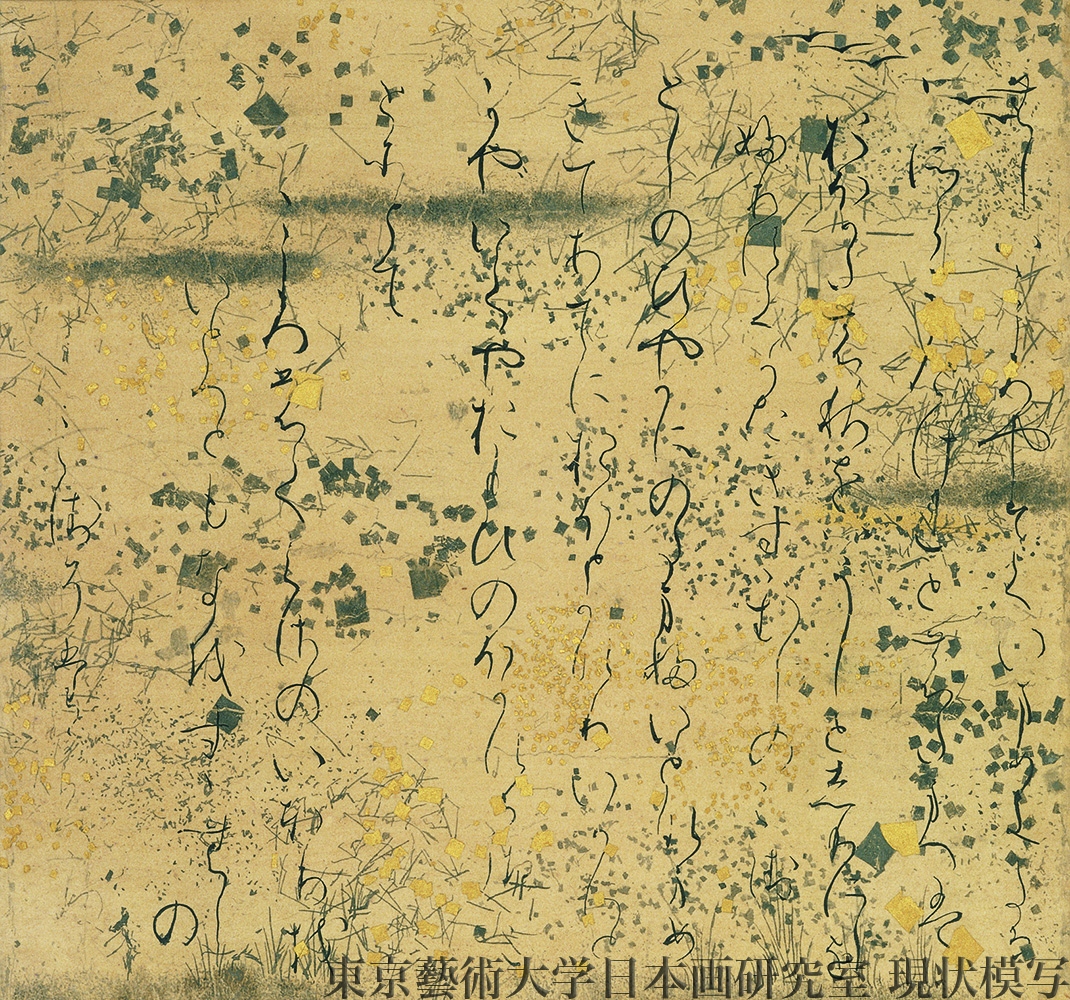


Prehistoric and ancient eras
Japan’s earliest cultural phases are known as the Jōmon and Yayoi periods. The Jōmon are noted for cord-marked pottery and long-term hunter-gatherer settlement patterns, while the later Yayoi people introduced wet-rice farming, metallurgy, and new social organization. By the Kofun and Asuka periods, powerful clans consolidated control, Buddhism and writing arrived from the Asian continent, and the foundations of a centralized state began to form.
Medieval and feudal Japan
From the late 12th century a military government led by shoguns emerged, beginning with the Kamakura shogunate and continuing through the Muromachi and later periods. Samurai warriors and regional lords (daimyō) shaped politics and society. The long Sengoku ("Warring States") era saw intense conflict before unification under figures who founded the Tokugawa shogunate in the early 17th century.
Early modern isolation and culture
The Tokugawa (Edo) era brought relative internal peace, a strict social order, and policies that limited foreign contact. Despite official seclusion, commerce, urban culture, and the arts—such as ukiyo-e and kabuki—flourished. This period established many institutions and social patterns that influenced modern Japan.
Modernization, conflict, and reconstruction
In the mid-19th century, diplomatic pressure ended seclusion and the Meiji Restoration set Japan on a rapid course of industrialization, centralization, and legal and educational reform. Japan became a major regional power, underwent imperial expansion in Asia, and experienced catastrophic defeat in the Second World War. The postwar occupation led to constitutional change and economic reforms that underpinned a later period of rapid growth and technological development.
Contemporary Japan and legacy
Today Japan is a constitutional democracy with a market economy, significant cultural influence, and a complex relationship to its past. Debates continue about modernization, memory of wartime actions, demographic change, and Japan’s role in regional and global affairs. The nation’s long history—from prehistoric settlements to modern institutions—remains a key subject of study for archaeology, history, and cultural scholarship.
Major periods at a glance
- Jōmon (prehistoric pottery cultures)
- Yayoi (rice agriculture and metallurgy)
- Kofun–Asuka–Nara (early state formation and Buddhism)
- Heian (court culture)
- Kamakura–Muromachi (samurai governments)
- Sengoku and Azuchi–Momoyama (warlord unification)
- Tokugawa/Edo (early modern peace and isolation)
- Meiji–Taishō–Shōwa (modernization, militarism, war, reconstruction)
- Postwar (constitutional democracy and economic growth)
Related articles
Author
AlegsaOnline.com History of Japan: from prehistoric settlements to the modern nation-state Leandro Alegsa
URL: https://en.alegsaonline.com/art/44473
Sources
- lcweb2.loc.gov : Library of Congress Country Studies, Japan
- lcweb2.loc.gov : "Nara and Heian Periods"
- lcweb2.loc.gov : "Kamakura and Muromachi periods"