
History of Islam: origins, expansion, and historical impact
A concise, neutral overview of the history of Islam from its emergence in 7th-century Arabia through major political eras, cultural contributions, and modern developments.
Overview
The history of Islam begins in the Arabian Peninsula in the 7th century, when the prophet Muhammad began preaching revelations that were later compiled as the Quran. The community that formed around these teachings grew rapidly after the migration (Hijra) to Medina in the year 622 and produced a distinct religious, social, and legal order. Over subsequent centuries the religion spread beyond Arabia and shaped political, economic, and intellectual life across large parts of Asia, Africa and Europe.
Image gallery
10 Images




Early expansion and political structures
After Muhammad's death, leadership passed to a series of caliphs who led the Muslim community and oversaw territorial expansion. These early centuries saw the creation of empires and administrative systems that integrated diverse peoples. Important phases include:
- the Rashidun and early caliphates, which consolidated the new polity;
- the Umayyad period, which extended rule across the Middle East and into Iberia;
- the Abbasid era, noted for its cosmopolitan capitals and administrative sophistication.
Cultural and intellectual developments
Throughout the medieval period, Muslims played a central role in the transmission and elaboration of knowledge. Cities such as Baghdad, Cordoba and Cairo became centers for scholarship, translation, medicine, mathematics and the arts. Religious and legal scholarship produced schools of law and theological traditions; mystical strands such as Sufism influenced devotional life. Trade networks and urban institutions helped spread both material culture and religious practices.
Later eras and modern transformations
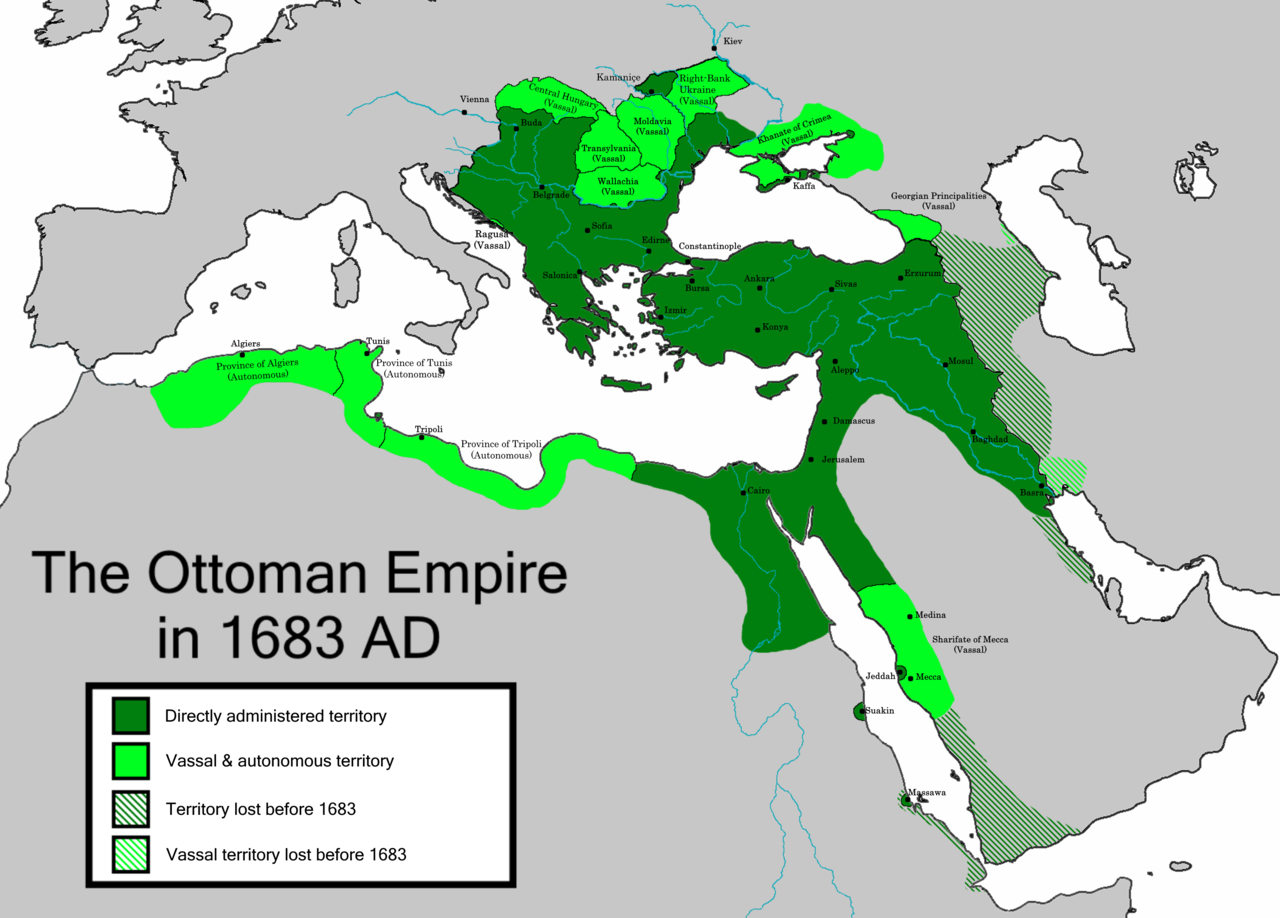
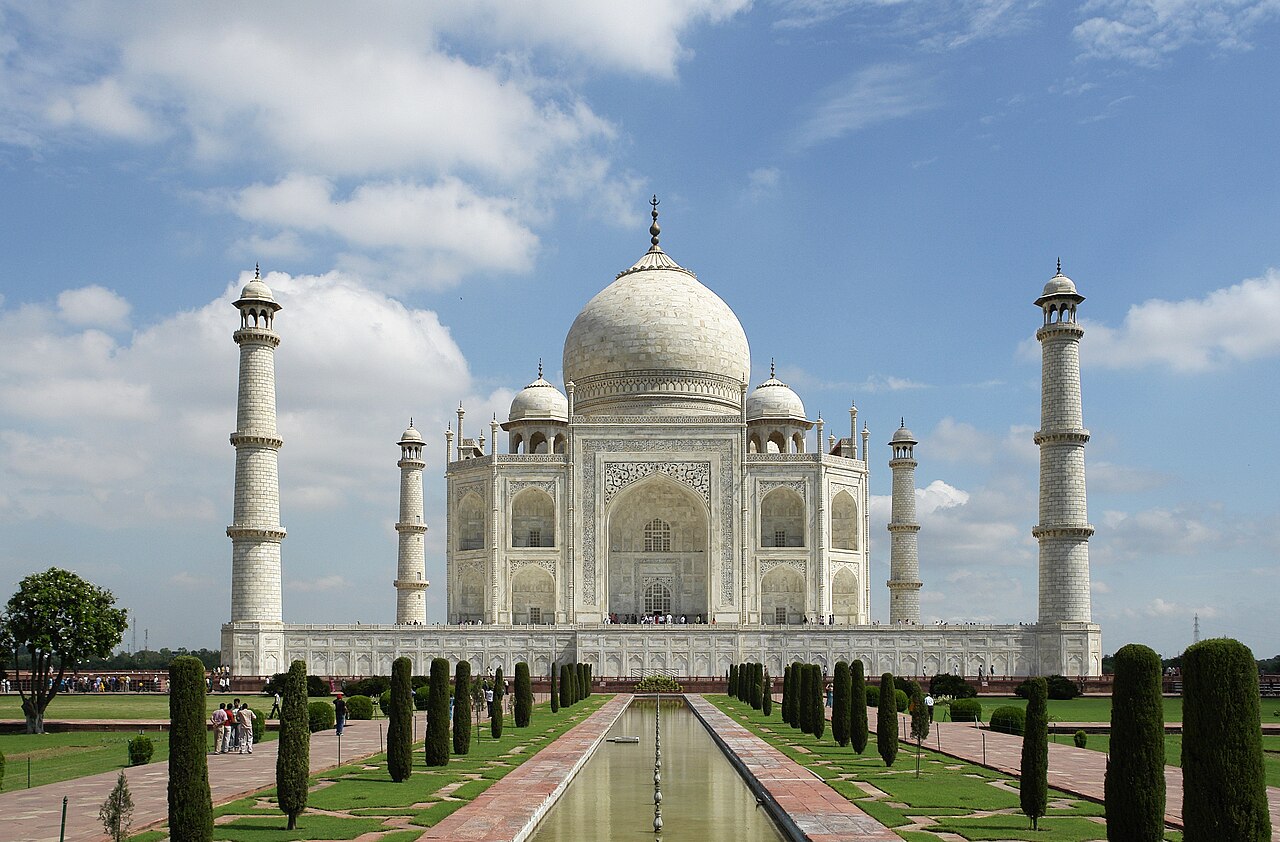
From the late medieval period onward, new regional powers emerged — for example the Ottoman, Safavid and Mughal dynasties — each combining political authority with local cultural forms. Contact with Europe, colonialism and the rise of nation-states in the 19th and 20th centuries transformed Muslim-majority societies, prompting reform movements, debates about governance, and diverse responses to modernity. The historical development of Islam continues to affect political and social trends worldwide.
Beliefs, divisions and wider significance
The Muslim community is internally diverse, with major branches such as Sunni and Shia Islam and multiple legal and theological schools. This diversity has produced a wide variety of religious practices and interpretations. Comparing religiously shaped civilizations can be illuminating: for example, the notion of an "Islamic world" is sometimes used in a similar way as scholars refer to a "Christian world" when exploring long-term cultural or political patterns and interactions across regions.
For further reading on origins, texts and historical processes, see materials on early Islam and its historical development, the concept of an Islamic world, the life of Muhammad and chronological overviews such as the 7th-century context and comparative studies with other religious histories like Christianity.
Questions and answers
Q: When did Muslim history begin and where?
A: Muslim history began in Arabia when Muhammad recited the Quran in the 7th century.
Q: How has the historical development of Islam impacted various aspects of life?
A: The historical development of Islam has affected political, economic, and military trends both inside and outside the Islamic world.
Q: Is the concept of an Islamic world similar to that of Christianity's?
A: Yes, as with Christianity, the concept of an Islamic world is useful when one looks at different periods of human history.
Q: Has Islam had any influence beyond the Islamic world?
A: Yes, the historical development of Islam has affected political, economic, and military trends both inside and outside the Islamic world.
Q: Who is credited with reciting the Quran?
A: Muhammad is credited with reciting the Quran.
Q: In which century did Muhammad recite the Quran?
A: Muhammad recited the Quran in the 7th century.
Q: What are some examples of how the historical development of Islam has impacted the world?
A: The historical development of Islam has affected political, economic, and military trends both inside and outside the Islamic world.
Related articles
Author
AlegsaOnline.com History of Islam: origins, expansion, and historical impact Leandro Alegsa
URL: https://en.alegsaonline.com/art/44472