
Fair trade: principles, products, history and impact
Fair trade is a global movement promoting better pay, working conditions and environmental stewardship in supply chains, using standards, certification and market access to support producers in developing regions.
Fair trade is a social and market-based approach intended to improve the livelihoods of producers and workers in low-income regions by promoting more equitable commercial relationships. Instead of focusing solely on price competition, fair trade emphasizes stable purchasing arrangements, minimum prices or premiums, safe working conditions and community development. It aims to reduce poverty, build capacity among small producers and encourage production that is environmentally responsible.
Image gallery
9 Images




Core principles
- Fair compensation: ensuring producers receive a price that covers the cost of sustainable production and a living wage or premium for community projects.
- Decent working conditions: improved safety, prohibition of forced or exploitative labor, and often support for workers' rights and collective organization.
- Long-term trading relationships: fostering stable contracts and predictable demand so producers can plan and invest.
- Environmental care: encouragement of sustainable farming, reduced chemical use and protection of ecosystems.
- Capacity building: investing in skills, quality improvement and cooperative governance so producers can access markets directly.
Products and supply chains
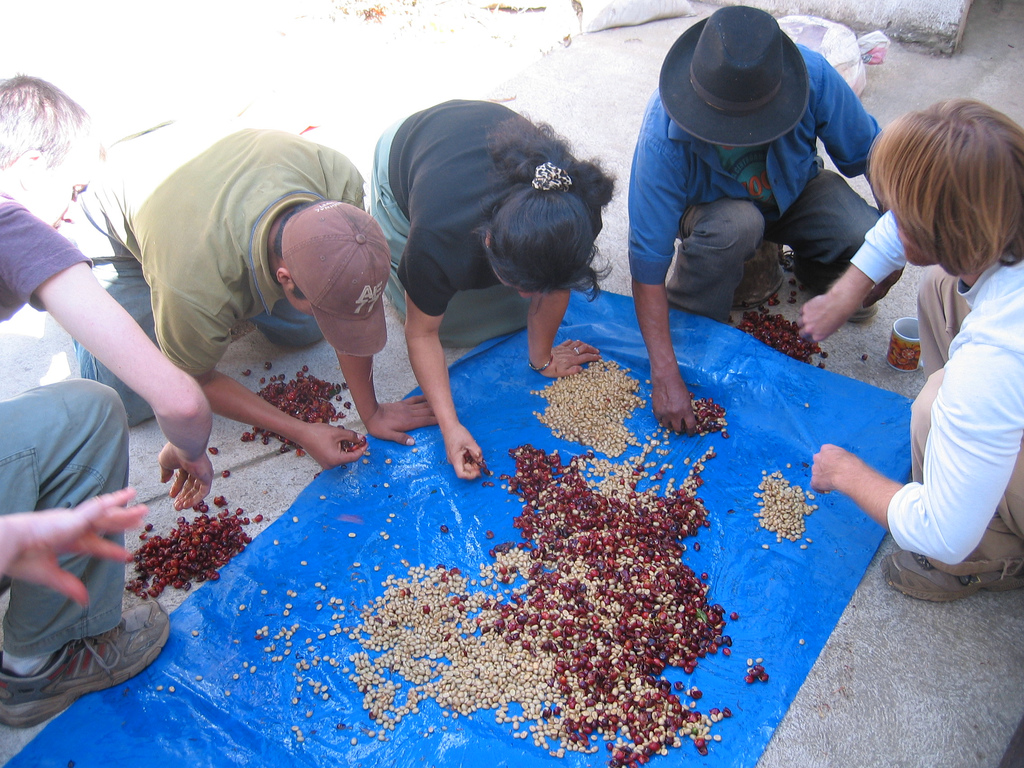
Fair trade applies across a wide range of goods. Commonly certified or marketed items include agricultural commodities such as coffee, cocoa, tea, sugar, bananas, cotton and quinoa; processed foods like chocolate and honey; fresh fruit and flowers; handicrafts and textiles; and some mineral products. The model is used where producers typically face volatile prices, limited negotiating power and barriers to international markets. By organizing producers into cooperatives and by providing technical and financial support, fair trade seeks to strengthen their position within global supply chains.
Certification, labels and standards
Many fair trade products carry a label or mark indicating they meet specific social and environmental criteria set by independent organizations. Certification schemes verify compliance through audits and allow buyers to identify products that follow agreed rules about wages, labor rights, traceability and ecological practices. Labels help consumers make purchasing choices, but certification systems vary in scope and rigor; some focus on smallholder cooperatives, others include hired labor on estates, and standards continue to evolve.
Origins and development
The contemporary fair trade movement grew from earlier efforts by charities, religious groups and alternative trading organizations that sought direct links with producers. Over several decades it evolved into a network of certifiers, advocacy groups and commercial partners. As awareness increased, fair trade moved from niche markets into mainstream retail in many countries, prompting debates about scale, transparency and how best to deliver benefits to producers.
Impacts and critiques
Supporters point to benefits such as higher and more stable incomes, investment in local services (schools, healthcare, infrastructure) via premiums, and better environmental stewardship. Critics note limitations: not all producers can access certified markets; certification imposes costs and administrative demands; price premiums do not always reach every participant; and some argue that large-scale mainstreaming risks diluting standards. Scholars and practitioners generally agree that fair trade can be effective when combined with broader measures—improved market access, government policy and sectoral reforms.
Further reading and resources
- Fair trade and poverty reduction
- Environmental practices in fair trade
- Sustainability and supply chains
- Market access for developing countries
- International trade and small producers
- Handicrafts and artisan networks
- Manufactured goods in fair trade
- Grains and staple crops
- Coffee and producer cooperatives
- Cocoa, chocolate and sustainability
- Sugar supply chains and labour issues
- Tea production and certification
- Banana trade and smallholders
- Honey and apiculture initiatives
- Cotton, textiles and fair wages
- Quinoa and emerging commodity markets
- Fresh fruit exporters and standards
- Chocolate value chains
- Wine and agricultural certification
- Flowers, horticulture and labour
- Minerals and social responsibility
- Energy commodities and community impacts
Understanding fair trade involves recognizing it as both a market tool and a set of ethical expectations about how goods are produced and bought. For consumers, certification and labeling provide a way to support more equitable practices; for producers, fair trade can open opportunities but is one of several strategies needed to address structural inequalities in global commerce.
Related articles
Author
AlegsaOnline.com Fair trade: principles, products, history and impact Leandro Alegsa
URL: https://en.alegsaonline.com/art/33245