
Finnish markka (Suomen markka)
The Finnish markka was Finland's national currency from 1860 until it was replaced by the euro. It was subdivided into 100 penniä, abbreviated mk (international code FIM), and issued by the Bank of Finland.
Overview
The Finnish markka, in Finnish Suomen markka and commonly called the markka, served as Finland's currency from the 19th century until the adoption of the euro. Its short domestic abbreviation was mk and its international ISO code was FIM. The markka was divided into 100 smaller units called penni (plural penniä), a system used for everyday transactions and coinage.
Image gallery
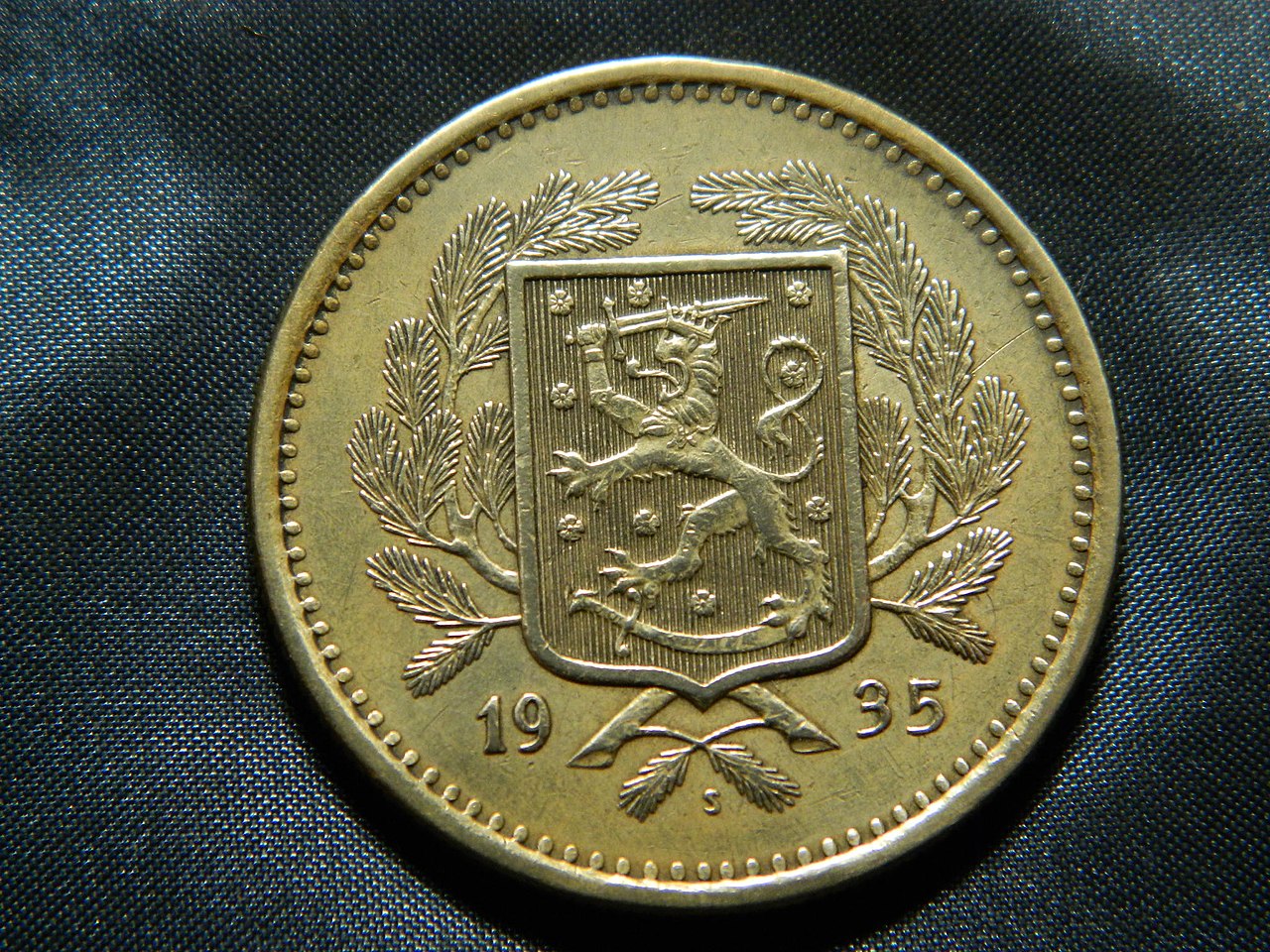
10 Images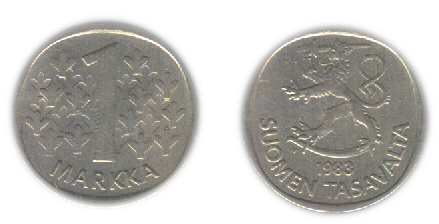


Characteristics and denominations
Throughout its history the markka circulated in both coin and banknote form. Coins covered fractional values for routine purchases while banknotes provided higher denominations for larger payments and reserves. Bank of Finland notes incorporated evolving design and security features over time, often depicting prominent cultural figures, national symbols and art. In special circumstances temporary coupon or emergency issues were also used to supplement regular currency supply.
History and development
Introduced in the 19th century, the markka became a central element of Finland's monetary system as the country industrialized and expanded trade. Its value moved with domestic monetary policy and international conditions; over the decades Finland adjusted exchange arrangements and regulations to stabilize prices and support economic growth. The markka remained Finland's legal tender until the euro conversion process at the end of the 20th century.
Replacement by the euro
Finland joined the euro area when the euro was introduced for non-cash purposes in 1999; euro banknotes and coins entered circulation in 2002. At conversion the Finnish markka was exchanged at a fixed rate for the euro. The changeover involved dual pricing and a transition period during which both currencies were legally accepted. For further reading on the transition and monetary union policies see official resources.
Uses and legacy
The markka played a practical role in everyday life and a symbolic role in national identity. After retirement as circulating money it became an object of interest for collectors and economic historians. Banknotes and coins are preserved in museums and private collections, and they illustrate design trends, security technology and Finland's cultural history.
Notable facts
- The markka was subdivided into 100 penniä, used for small change.
- Its international code was FIM and domestic abbreviation mk.
- When Finland adopted the euro, the markka was converted at a fixed exchange rate as part of the eurozone entry.
- Former banknotes and coins are now sought by collectors and appear in museum displays.
Related articles
Author
AlegsaOnline.com Finnish markka (Suomen markka) Leandro Alegsa
URL: https://en.alegsaonline.com/art/34433