
Cocoa (cacao seed): origins, processing, uses and distinctions
Cocoa is the processed product of cacao seeds used for chocolate, butter, powder and other products. This article covers its botany, processing steps, history, uses, composition and notable distinctions.
Overview
Cocoa refers to the culinary and processed products derived from the seeds of the cacao tree. The whole seed—commonly called the cocoa bean—is the starting material for several commodities. It contains both solids and a substantial amount of fat; that fat is commonly extracted as cocoa butter while the remaining solids are processed into powder used in baking and beverages.
Image gallery
10 Images




Plant and basic characteristics
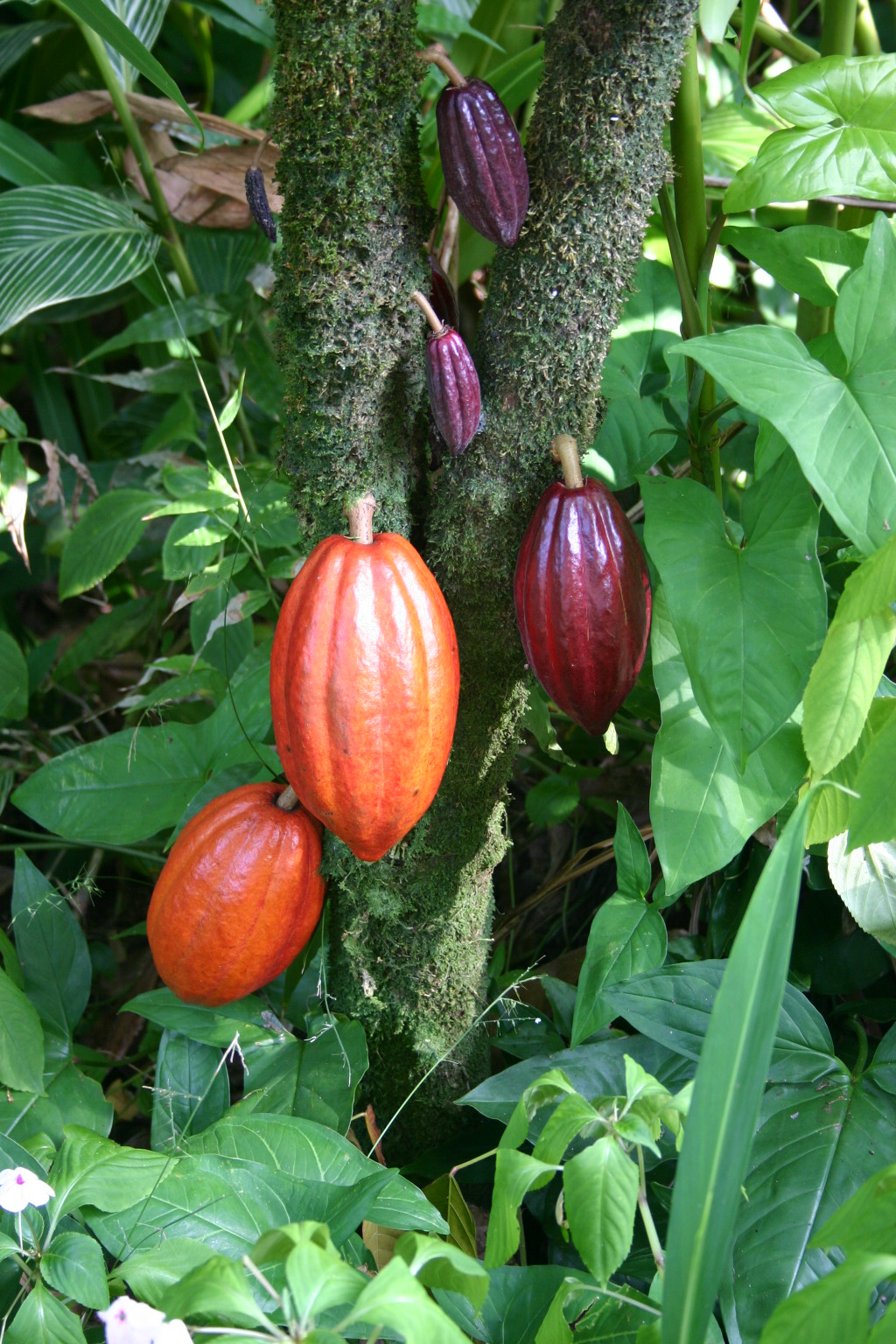
The plant is the tropical cacao tree, which produces pods containing multiple seeds. Individual seeds are fermented, dried and roasted to develop flavor. The seeds contain oils and flavor precursors; the oil content is often referenced simply as fat in industry descriptions. Ground roasted seeds yield a paste sometimes called cocoa mass or liquor, which separates into butter and powder.
Processing steps
- Harvesting and pod opening to retrieve seeds.
- Fermentation and drying to reduce bitterness and form flavor.
- Roasting and winnowing to produce nibs.
- Grinding to form cocoa mass; pressing to extract cocoa butter and make cocoa powder.
History and cultural role
Cocoa has deep roots in Mesoamerica, where indigenous peoples prepared bitter beverages and used cacao in ritual contexts. European contact spread cocoa to global markets and led to new confectionery forms. Over time, advances in pressing and tempering enabled the modern chocolate industry, linking raw cocoa with finished products such as chocolate.
Uses, composition and distinctions
Cocoa is used in confectionery, baking, beverages, cosmetics and some pharmaceuticals. Chemically, it contains fat (cocoa butter), nonfat solids rich in polyphenols and stimulant alkaloids like theobromine and modest caffeine. Distinctions often noted are natural versus Dutch-processed (alkalized) cocoa powder and the difference between minimally processed "cacao" labels and more processed "cocoa" products.
Production, economics and notable issues
Major production regions include parts of West Africa, South America and Southeast Asia. Cocoa is an important cash crop but faces challenges such as price volatility, environmental impacts, and social concerns including labor practices. Sustainable and fair-trade schemes aim to address these issues while preserving supply for the chocolate and food industries.
Questions and answers
Q: What is cocoa?
A: Cocoa is the seed of the cacao tree.
Q: What is cocoa butter?
A: Cocoa butter is a product derived from cocoa that is used to produce chocolate.
Q: What is the main purpose of cocoa in chocolate production?
A: The main purpose of cocoa is to produce cocoa butter, which is then used to produce chocolate.
Q: What is the texture of cocoa used for chocolate production?
A: The cocoa which is used to make chocolate is a fine powder.
Q: What is the fat content of cocoa seeds?
A: Cocoa seeds contain a lot of fat.
Q: What is the source of cocoa butter?
A: Cocoa butter is derived from cocoa seeds.
Q: What is the cacao tree?
A: The cacao tree is the tree from which cocoa seeds are derived.
Related articles
Author
AlegsaOnline.com Cocoa (cacao seed): origins, processing, uses and distinctions Leandro Alegsa
URL: https://en.alegsaonline.com/art/21351
Sources
- chocolate.org : chocolate.org