
Fiscal policy: taxation, government spending and economic stabilization
Fiscal policy is government use of taxation and public spending to influence aggregate demand, resource allocation, distribution of income, and macroeconomic stability.
Overview
Fiscal policy refers to how a government adjusts its levels of taxation and public spending to influence a national economy. When the state changes tax rates or modifies spending programs, it aims to affect economic performance, including output, employment and prices. Economists and policy makers study fiscal interventions as tools to manage the business cycle, support long‑term growth, or alter the distributional effects of public finance. The idea that active fiscal measures can stabilize aggregate demand is closely associated with the work of John Maynard Keynes.
Image gallery
4 Images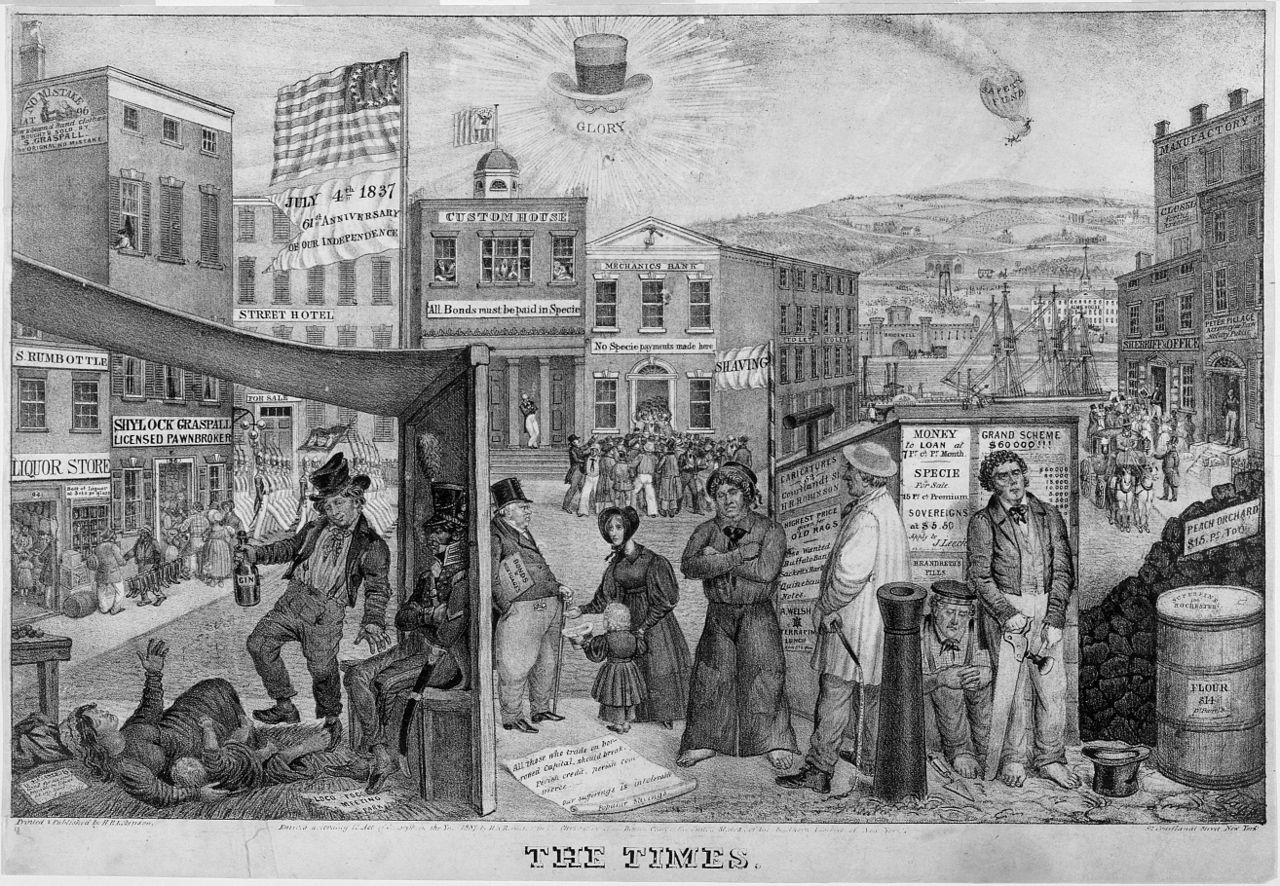


Main elements and mechanisms
Fiscal policy operates primarily through two instruments: taxes and government expenditure. Taxes may be levied on income, profits, consumption or specific goods and services; broadly speaking they influence incentives and disposable income. Public spending includes direct purchases of goods and services, infrastructure investment, and transfers such as pensions and unemployment benefits. Changes in either instrument affect aggregate demand, which is the total spending on domestic goods and services.
- Demand management: Increasing spending or cutting taxes can be expansionary; reducing spending or raising taxes can be contractionary.
- Automatic vs discretionary: Automatic stabilizers (unemployment insurance, progressive taxes) respond without new legislation; discretionary fiscal policy requires deliberate policy decisions.
- Allocation and distribution: Fiscal choices shape how resources are used and how wealth is distributed across households.
History and intellectual background
The modern emphasis on fiscal policy follows from debates in early 20th‑century macroeconomics. Keynesian analysis argued that during downturns private demand can be insufficient, and that public spending or tax cuts can boost activity. Alternative schools—most notably Monetarism and other market‑oriented views—warn against frequent intervention and emphasize stable monetary conditions and price control as primary policy objectives. These traditions continue to inform policy trade‑offs in many countries.
Applications and examples
Governments use fiscal policy for several purposes: to smooth cyclical fluctuations, finance public services, invest in infrastructure, and provide social protection. For example, during recessions a government might cut taxes or increase transfers to shore up household spending. Conversely, in overheating economies policymakers may raise taxes or rein in spending to cool demand. Fiscal decisions also interact with monetary policy, exchange rates and external balances.
Limitations, timing and debates
Several constraints shape fiscal choices. Effects are often subject to timing lags between decision and impact, and some measures may crowd out private investment or increase public debt. The effectiveness of fiscal tools depends on how households and firms respond to tax changes and transfers. Debates persist about the optimal roles of fiscal versus monetary policy, how to structure taxation (for example excise versus income taxes), and the balance between short‑term stabilization and long‑term sustainability.
Key concepts and further reading
Important concepts include aggregate demand, automatic stabilizers, discretionary fiscal stimulus, and distributional effects of taxation and spending. Welfare programs and transfer systems also influence macroeconomic outcomes through household incomes and consumption patterns; see analyses of welfare design. For disciplinary perspectives consult introductions to economics and to political science, which examine the institutional context for fiscal choices. The interaction between fiscal measures and the supply of money is central to debates about stabilization and inflation. For an overview of policy roles and debates, reference materials and policy reports can be consulted at general sources such as taxation guides and economic analyses.
Related articles
Author
AlegsaOnline.com Fiscal policy: taxation, government spending and economic stabilization Leandro Alegsa
URL: https://en.alegsaonline.com/art/34608