
Tea: Types, Production, Brewing, and Cultural Significance
Comprehensive overview of tea: made from Camellia sinensis, major types and processing, brewing tips, cultural history, uses, and how herbal infusions differ from true tea.
Tea is a widely consumed beverage prepared from the processed leaves of Camellia sinensis. Varieties commonly called black, green, oolong, white and pu‑erh all come from the same plant; they differ in how the leaves are handled after harvest. Tea is enjoyed plain as a hot or cold drink, sweetened or flavored, and appears in many culinary and ceremonial traditions around the world.
Image gallery
10 Images


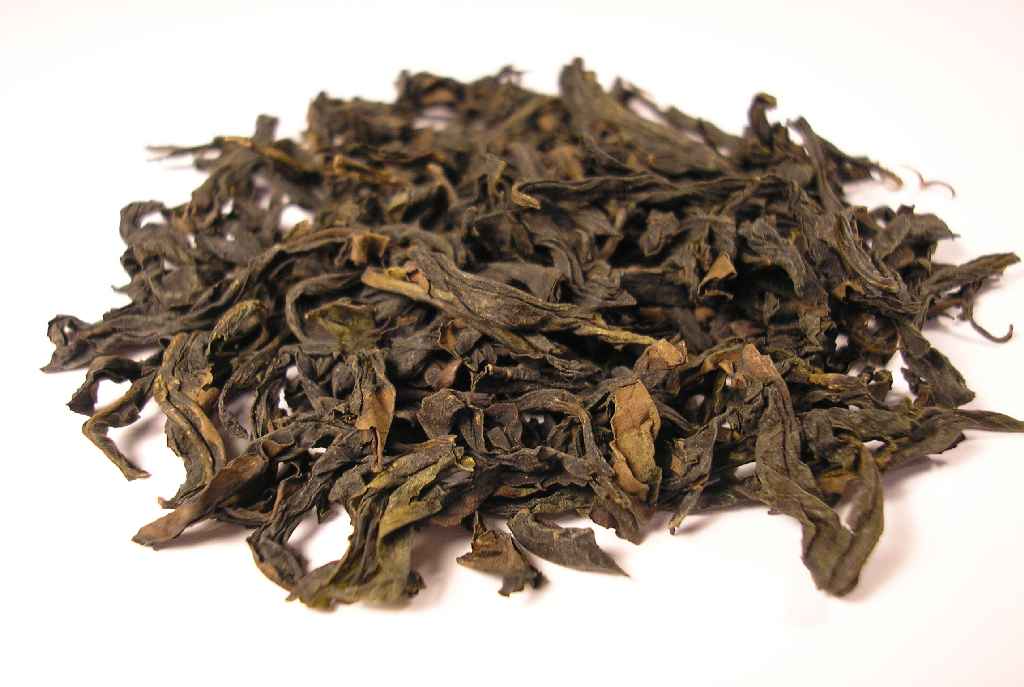


Varieties and processing
Different types of tea are produced by applying distinct combinations of withering, bruising or rolling, oxidation (often called fermentation in older sources), and drying. The degree of oxidation is a key factor: green teas are minimally oxidized, black teas are fully oxidized, and oolong teas occupy an intermediate range. Some styles are aged or pressed (for example, pu‑erh), while white tea is typically made from young leaves or buds with minimal processing.
- Black tea: fully oxidized, strong flavor and dark liquor.
- Green tea: quick-dried or pan-fired to prevent oxidation; lighter, vegetal notes.
- Oolong: partially oxidized; wide range of aromas and body.
- White and pu‑erh: minimally processed or specially fermented/aged types.
Brewing and common uses
Brewing extracts soluble compounds that determine aroma, color and stimulation. Basic steps are proportioning leaves to water, controlling water temperature, and timing the steep. Short infusions at lower temperatures tend to emphasize delicate flavors; hotter water and longer steeps yield stronger, more astringent cups. Many teas are blended with natural flavors or spices, and common additions include citrus such as lemon or fragrant herbs. Tea is also used in cooking, cocktails, and for flavoring sweets.
- Use fresh water and appropriate temperature for the tea type.
- Measure leaves by weight or volume for consistency.
- Experiment with multiple short infusions—some whole‑leaf teas yield several cups.
History and cultural significance
Tea has deep cultural roots in East Asia and spread across the globe through trade and migration, becoming central to rituals like Chinese gongfu and the Japanese tea ceremony. It played an important role in social customs and commerce in many regions, influencing cuisine, etiquette and economies. The methods of cultivation and ceremony vary by region, reflecting local tastes and histories.
Herbal infusions versus true tea
The word “tea” is often applied loosely to drinks made by steeping herbs, fruits or flowers—examples include chamomile, mint and rosehip. These are more accurately called herbal infusions or tisanes and do not contain leaves of Camellia sinensis. Tisanes usually lack caffeine (unless blended with true tea) and are valued for varied flavors and traditional uses.
Notable facts: true tea contains naturally occurring caffeine and polyphenols; storage and freshness affect aroma and flavor; single‑origin and blended teas offer different experiences. Whether appreciated for everyday refreshment, ceremonial practice, or culinary use, tea remains one of the world’s most versatile and culturally significant beverages.
Questions and answers
Q: What is tea made from?
A: Tea is made from steeping the leaves of the Camellia sinensis plant.
Q: Can tea have other flavors besides tea leaves?
A: Yes, tea can also have other herbs, spices or fruit flavors in it, like lemon.
Q: Is all tea made from the Camellia sinensis plant?
A: Yes, all tea is made from the Camellia sinensis plant.
Q: What are other drinks that are sometimes referred to as tea but are not made from tea leaves?
A: Other drinks that are sometimes referred to as tea but are not made from tea leaves include "herbal teas" which are made from soaking fruit or herbs in hot water, like "rosehip tea" or "camomile tea".
Q: What are herbal teas?
A: Herbal teas are drinks made by soaking fruit or herbs in hot water.
Q: Can herbal teas also be referred to as "tea"?
A: Yes, herbal teas are sometimes referred to as "tea".
Q: Is there only one type of tea?
A: No, there are different types of tea made from the Camellia sinensis plant, including black, green, white and oolong tea.
Related articles
Author
AlegsaOnline.com Tea: Types, Production, Brewing, and Cultural Significance Leandro Alegsa
URL: https://en.alegsaonline.com/art/96630
Sources
- blog.foodnetwork.com : 10 Interesting Facts about Tea
- beacononline.wordpress.com : "India consumer and producer of green tea"