
Financial crisis of 2007–2008: causes, timeline and consequences
A concise overview of the 2007–2008 global financial crisis: origins in housing and credit, key events like Lehman’s collapse, policy responses and the crisis’ lasting economic and regulatory effects.
The financial crisis of 2007–2008 was a widespread disruption of global financial markets that produced a sharp economic downturn in many countries. Widely regarded as the most severe financial shock since the 1930s, it combined a bursting housing bubble, high household and institutional leverage, and failures in risk management and supervision. For a general summary, see background resources.
Image gallery
10 Images


Causes and mechanics
Multiple, interacting forces produced the crisis. Low interest rates and strong housing demand encouraged rapid expansion of mortgage lending, including loans issued to borrowers with weak credit histories (often called subprime mortgages). Financial firms repackaged these loans into complex securities such as mortgage‑backed securities (MBS) and collateralized debt obligations (CDOs), spreading exposure through global markets. Credit default swaps (CDS) and other derivatives were used to transfer and sometimes obscure risk. Excessive leverage and inadequate capital amplified losses when home prices fell and default rates rose. Analysts and regulators have discussed these elements in detail; a concise timeline and explanations are available at further reading.
Major events and instruments
- Early signs: rising mortgage defaults and falling home prices in the United States.
- 2007–2008: liquidity stress for banks and shadow‑bank entities that held large positions in mortgage assets.
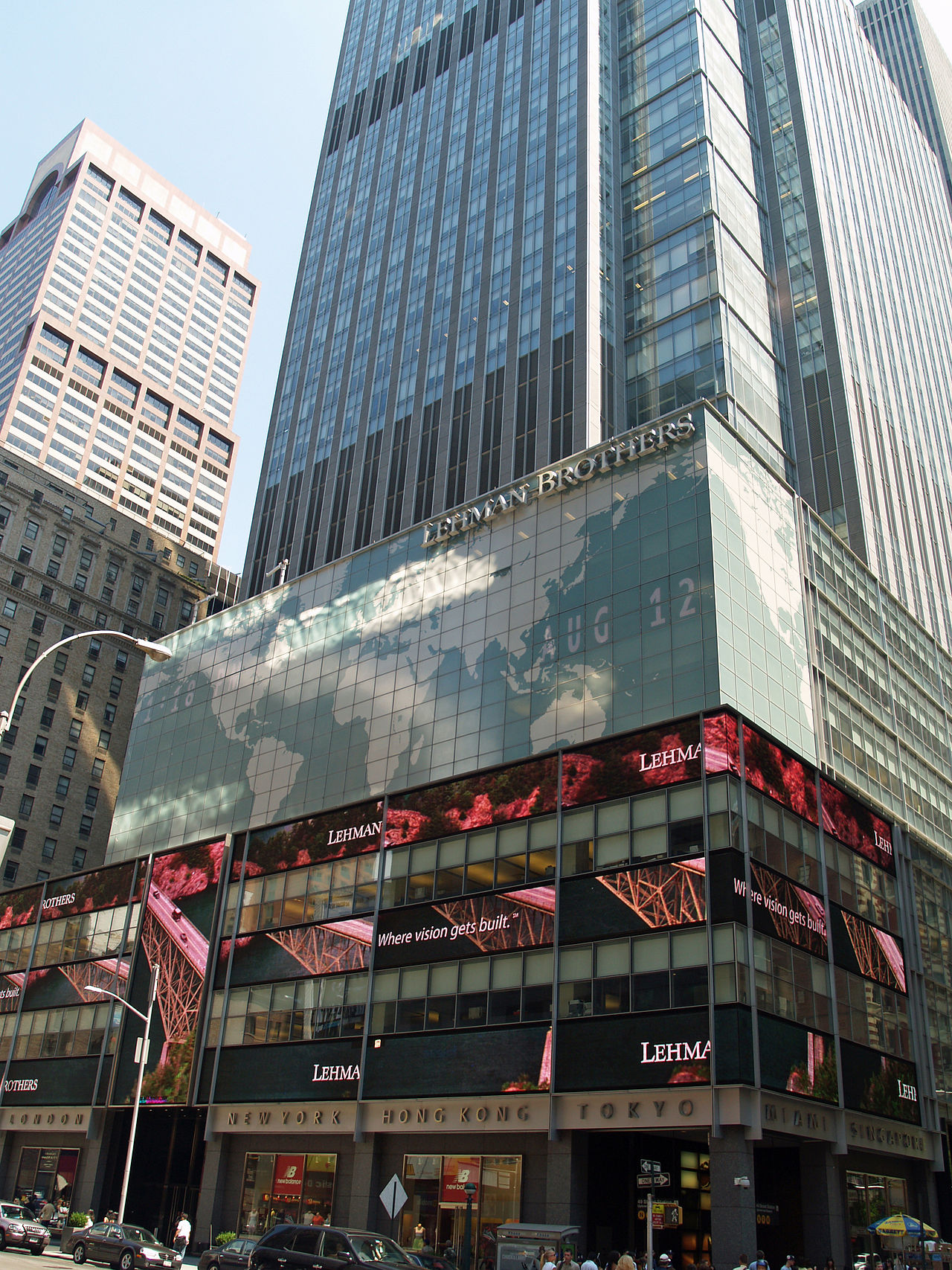
- Key failures: the rescue or sale of several investment banks, the collapse of Lehman Brothers in September 2008, and the distress of insurance giant AIG.
- Government interventions and court or conservatorship actions for troubled institutions.
Readers can find event chronologies and case studies at detailed timelines.
Economic impacts
The immediate effects included sharp declines in asset prices, a contraction in credit availability, rising unemployment, and increased foreclosures. International trade and output fell as confidence and lending tightened. Many households lost wealth as home values and retirement assets dropped, while businesses faced financing constraints that led to cutbacks and layoffs.
Policy responses and reforms
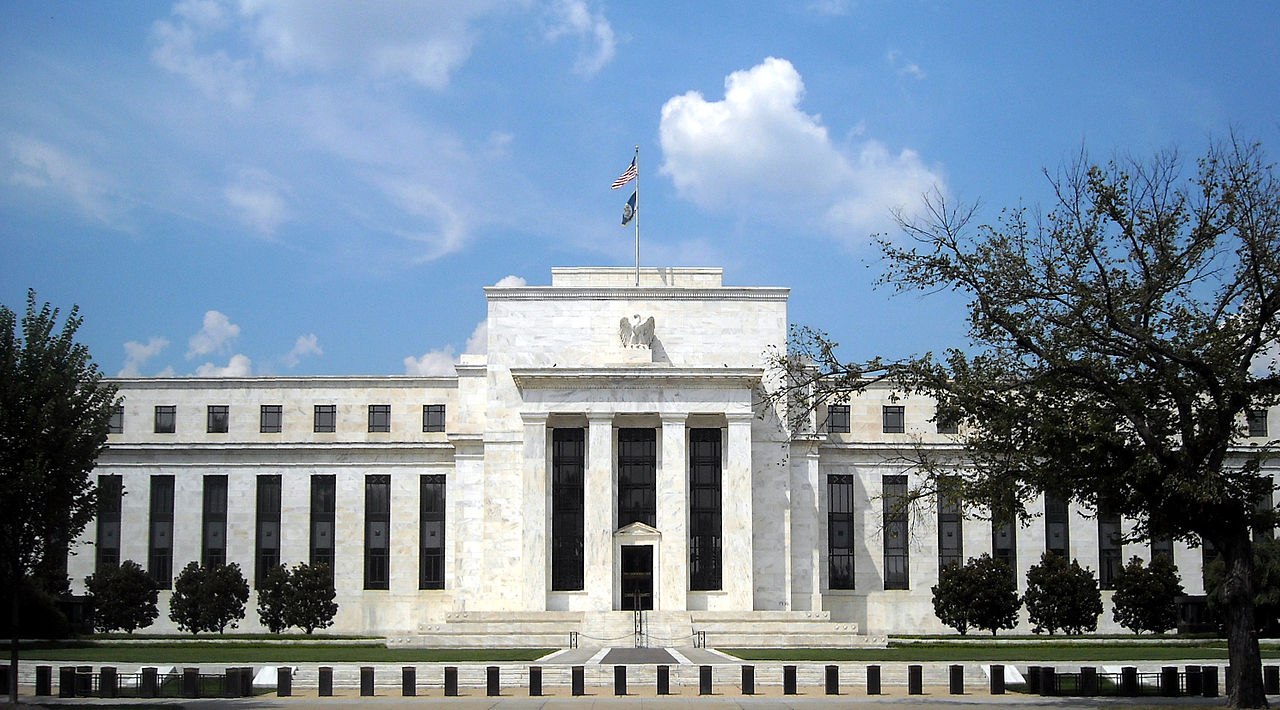
Governments and central banks undertook unconventional measures to restore functioning markets: central banks supplied liquidity, large emergency loans or guarantees were extended, and fiscal stabilization measures were deployed in several countries. In the United States, the Troubled Asset Relief Program (TARP) authorized capital injections into banks; regulators also implemented stress testing and other oversight tools. Subsequent reforms sought to strengthen bank capital requirements, increase transparency in derivatives markets, and reduce systemic risk—efforts summarized in many policy reviews and regulatory analyses at policy summaries and regulatory overviews.
Legacy: the crisis prompted widespread debate about financial innovation, the adequacy of supervision, and the societal costs of allowing systemically important institutions to fail. It remains a focal point for researchers, policymakers, and educators studying how to prevent or mitigate future systemic crises.
Questions and answers
Q: What was the financial crisis of 2007-2008?
A: The financial crisis of 2007-2008 was a major financial crisis, the worst of its kind since the Great Depression in the 1930s.
Q: What is considered the worst financial crisis during the 21st century?
A: Until the COVID-19 recession, the financial crisis of 2007-2008 is considered the worst financial crisis during the 21st century.
Q: What happened to many large financial firms in the United States in September 2008?
A: In September 2008, many large financial firms in the United States collapsed, merged, or went under conservatorship.
Q: What is conservatorship?
A: Conservatorship is when a person is assigned to manage a company when it cannot manage itself.
Q: Were the factors that led to the crisis reported before or after September 2008?
A: The factors that led to the crisis were reported in business journals many months before September 2008.
Q: How long had it been since the last financial crisis of a similar magnitude?
A: The financial crisis of 2007-2008 was the worst of its kind since the Great Depression in the 1930s.
Q: Was the financial crisis of 2007-2008 limited to the United States?
A: The financial crisis of 2007-2008 had a global impact, although it originated in the United States.
Related articles
Author
AlegsaOnline.com Financial crisis of 2007–2008: causes, timeline and consequences Leandro Alegsa
URL: https://en.alegsaonline.com/art/34370
Sources
- telegraph.co.uk : "Dollar tumbles as huge credit crunch looms"
- globalresearch.ca : "Global Financial Meltdown and the Demise of Neoliberalism"
- economist.com : "Structural Cracks: Trouble ahead for global house prices"
- economist.com : "Tightrope artists: Managers of banks face a tricky balancing-act"
- visionone.co.uk : "Focus Groups"
- blogs.wsj.com : "Total Global Losses From Financial Crisis: $15 Trillion"