
International trade: concepts, history, policies, and economic effects
Comprehensive overview of international trade: definitions, participants, historical development, policy tools (tariffs, quotas, sanctions), trade theory, contemporary issues and measurement.
International trade is the exchange of goods, services and capital across national borders. At its simplest this involves firms in one country selling products to buyers in another (exports) and buying from abroad (imports); governments and public agencies sometimes participate directly. Trade connects domestic markets to global supply chains, influences prices and employment, and affects the availability of commodities, technology and cultural goods.
Image gallery
7 Images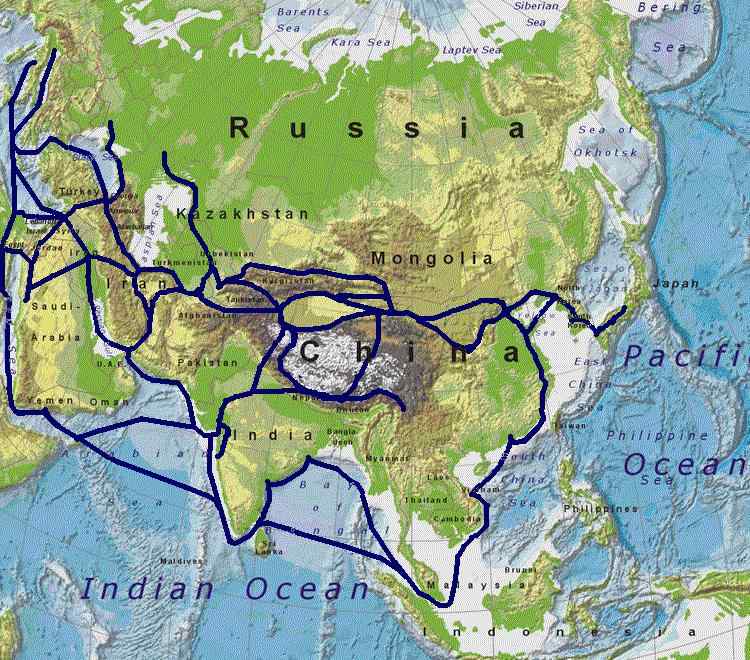




Core features and participants
Trade covers physical goods (manufactured items, raw materials, food) and services (transport, finance, tourism, telecommunications and digital services). Participants include multinational enterprises, small and medium enterprises that export or import, freight and logistics providers, banks and insurers, and public institutions that set rules and collect duties. Authorities commonly monitor and regulate cross-border flows for health, safety, environmental and fiscal reasons.
Historical development
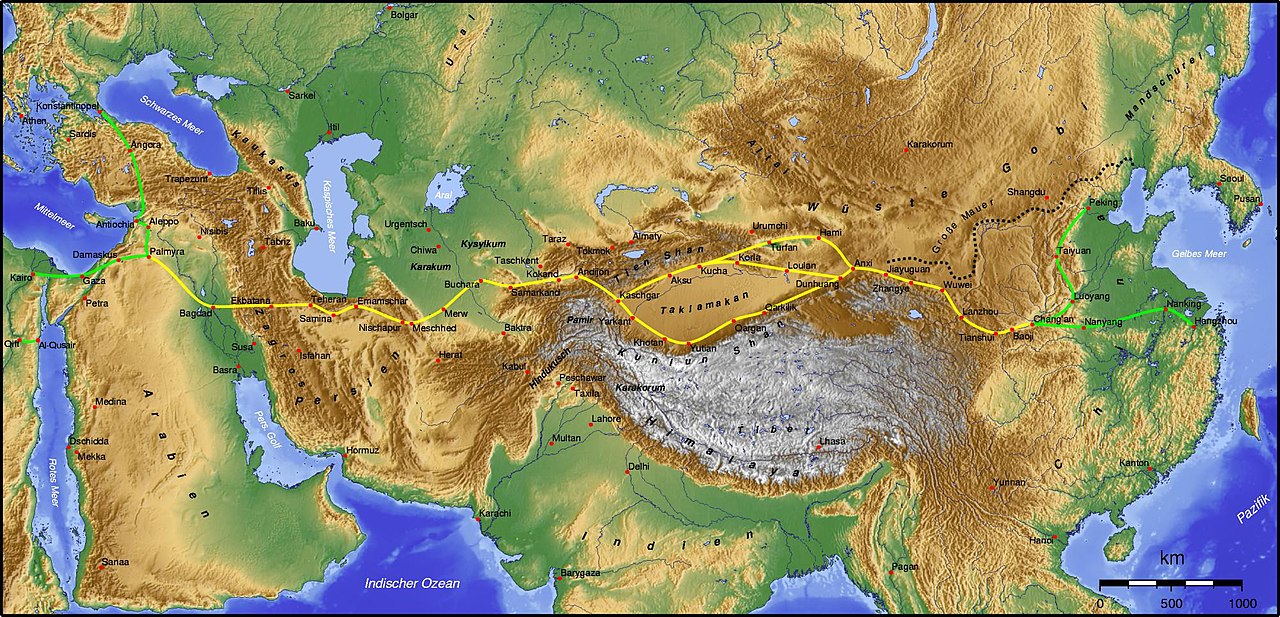
Long-distance trade has existed for millennia, from regional exchange routes to intercontinental commerce. The scale and complexity of trade increased with sea navigation, industrialization, steam and later container shipping, and with advances in telecommunications. The twentieth century saw the creation of institutions and agreements to coordinate tariffs, settle disputes and liberalize commerce. In recent decades the reduction of formal barriers and the growth of global value chains have increased specialization: production stages are often spread across several countries before final assembly and sale.
Trade theory and economic effects
Classical and modern trade theories explain why countries trade. Comparative advantage describes how countries can benefit by specializing in goods or services they can produce relatively efficiently, increasing total output and consumer choice. Trade tends to raise aggregate welfare, lower prices and expand market opportunities for firms, but gains are distributed unevenly. Adjustment costs can arise when industries contract and workers need to retrain, prompting policy responses such as transition assistance and education.
Policy instruments and agreements
Governments use many instruments to influence trade outcomes. Common tools include:
- Tariffs — taxes on imports that raise import prices and can protect local producers (tariffs).
- Quotas and licensing — quantitative limits or administrative requirements on imports.
- Subsidies — financial support to domestic producers to improve competitiveness.
- Technical and sanitary standards — rules that affect market access and product design (regulation).
- Sanctions and embargoes — restrictive measures used for political or security objectives, ranging from targeted sanctions to comprehensive trade bans (sanctions, embargoes).
When countries reduce protectionist measures (protectionism) and lower barriers, they pursue freer trade through bilateral, regional or multilateral agreements that aim to facilitate exchange and resolve disputes.
Measurement and practical concepts
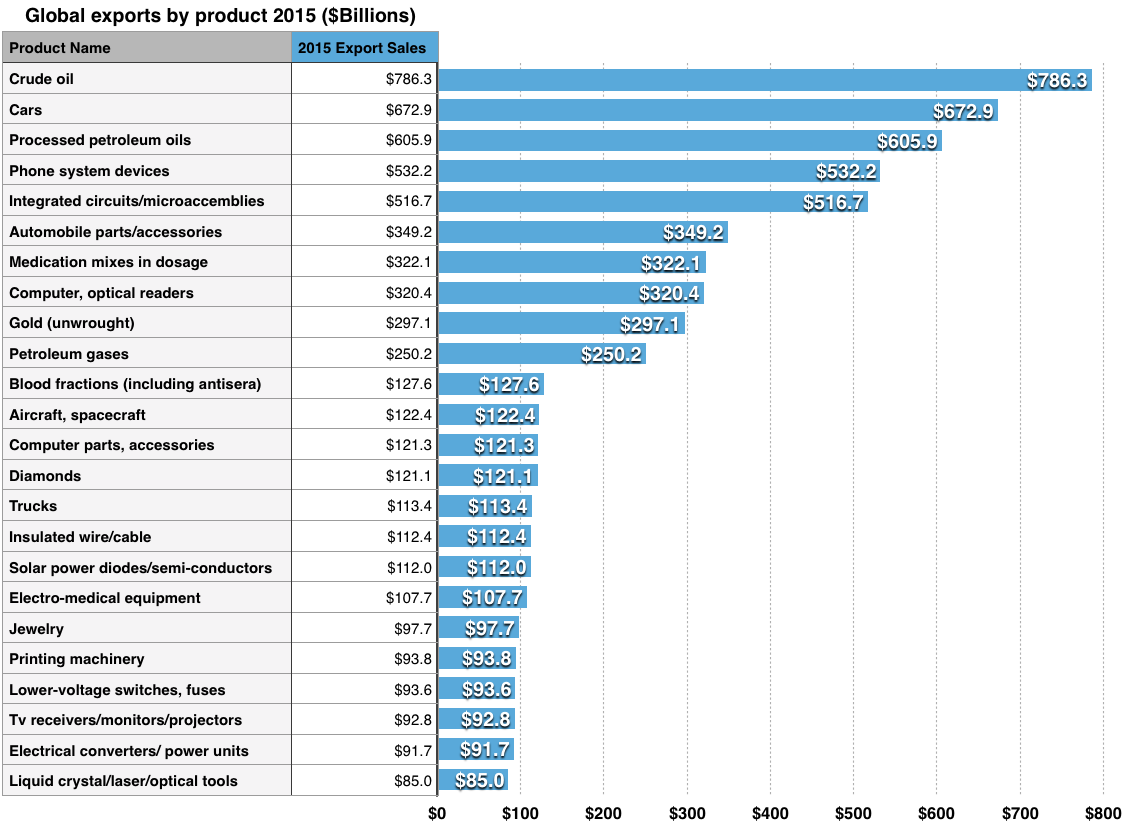
Trade is measured by the value of imports and exports and summarized by the trade balance or the current account in national statistics. Exchange rates, transport costs and non‑tariff measures affect competitiveness. Customs procedures, trade facilitation measures and logistics efficiency influence how quickly and cheaply goods cross borders.
Contemporary issues and challenges
Key contemporary topics include supply‑chain resilience, the rise of digital trade and services, the environmental footprint of traded goods, labor and human rights standards in global production, and the interaction between trade and national security. Policymakers balance openness with domestic priorities such as employment, environmental protection and strategic autonomy.
Practical questions for businesses and governments include how to comply with regulations, diversify suppliers, manage currency and transport risks, and use trade agreements to expand market access. For further introductory resources, see materials on imports, exports, regulation (regulation), protectionism (protectionism), tariffs (tariffs), sanctions (sanctions) and embargoes (embargoes).
Related articles
Author
AlegsaOnline.com International trade: concepts, history, policies, and economic effects Leandro Alegsa
URL: https://en.alegsaonline.com/art/47695