
Grain (cereal crops and edible seeds)
Grain are the edible seeds of grasses cultivated as cereals. This article explains what grain are, their structure, main types, history, uses in food and industry, and their role in agriculture and societies.
Grain are the harvested seeds of certain grasses that humans cultivate for food, feed and industry. In botanical and agricultural contexts they are commonly called cereals. A grain seed includes several parts — typically an outer bran, an inner germ and a starchy endosperm — and is a compact source of energy and nutrients. The term can also be used more broadly for the edible seeds of these plants, which belong to the grass family (Poaceae). Across the world people grow grain primarily as food, and several staples made from grain rank among the most important foods for human societies.
Image gallery
10 Images

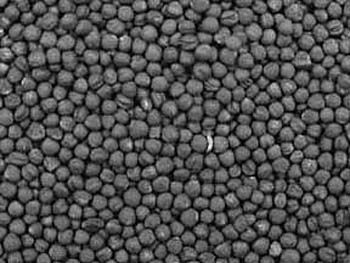


Structure, nutrition and processing
Whole grains contain carbohydrates, especially starch, along with protein, dietary fiber, B vitamins and minerals. Many dietary discussions highlight grains as a principal source of carbohydrates in most diets. Processing methods — from simple threshing and winnowing to milling and refining — change both shelf life and nutritional content. Grinding seed into flour enables baking, pasta and noodle production; for example, flour is transformed into breads, pastries or noodles. Other processes, such as malting, fermenting and distilling, convert grain into beverages and industrial products.
Common types and examples
- Barley — used for animal feed, brewing and some breads.
- Maize (corn) — a globally important staple and raw material for many foods and industrial products.
- Millet — a group of small-seeded cereals important in arid regions.
- Oats — commonly used for breakfast foods and animal feed.
- Rice — the primary staple for large parts of Asia and beyond.
- Wheat — widely grown for bread, pasta and many processed foods.
Some grains receive specialized processing: barley malt is a key ingredient in beer, and dried maize processed into masa yields tortillas and related foods.
Agricultural and historical context
Grain cultivation underpinned the development of settled agriculture and early civilizations. Domestication of wheat, barley, rice and maize at different times and places allowed people to store food surpluses, support larger populations and develop trades. Modern plant breeding and mechanized farming greatly increased yields, while also changing crop distribution and varieties. Grain production is resource-intensive: it depends on soil management, inputs and water. Estimates of the water footprint vary by crop and region; some sources discuss per-ton water requirements and broader irrigation impacts (estimates, water studies).
Uses, importance and distinctions
Beyond direct human consumption, grain serves as feed for livestock, a feedstock for biofuels and a raw material for many processed foods. The role of grain in a given country reflects climate, culture and economy: in lower-income regions grains often supply a larger share of calories, while higher-income countries use more grain indirectly through animal products and industrial uses. Processing level matters: whole grains retain more fiber and micronutrients than refined products. Understanding the different grain types, their uses and trade-offs helps in nutrition planning, agricultural policy and culinary practice.
For practical introductions and recipes, as well as production statistics and technical details, consult specialist resources and regional agricultural guides. Additional reading and data sources can be found via general references and agricultural organizations (seed, grass family, cereals, food, important foods, barley, maize, millet, oats, rice, wheat, carbohydrates, estimates, water, flour, noodles, beer, barley malt, tortillas).
Related articles
Author
AlegsaOnline.com Grain (cereal crops and edible seeds) Leandro Alegsa
URL: https://en.alegsaonline.com/art/40104
Sources
- csmonitor.com : "Water shortages affect food, transit, security"