
Edinburgh International Festival
Annual curated three‑week arts festival in Edinburgh presenting music, theatre, opera, dance, visual arts and literature each August–September; founded in 1947 to revive international culture after WWII.
Overview
The Edinburgh International Festival is a major curated arts festival held each year in Edinburgh, Scotland, typically for about three weeks in late August and early September. It presents international work across music, theatre, opera, dance, visual arts and literature. The festival is a curated programme rather than an open‑access event: invited companies, orchestras and artists mount performances alongside exhibitions, talks and commissions.
Image gallery
10 Images


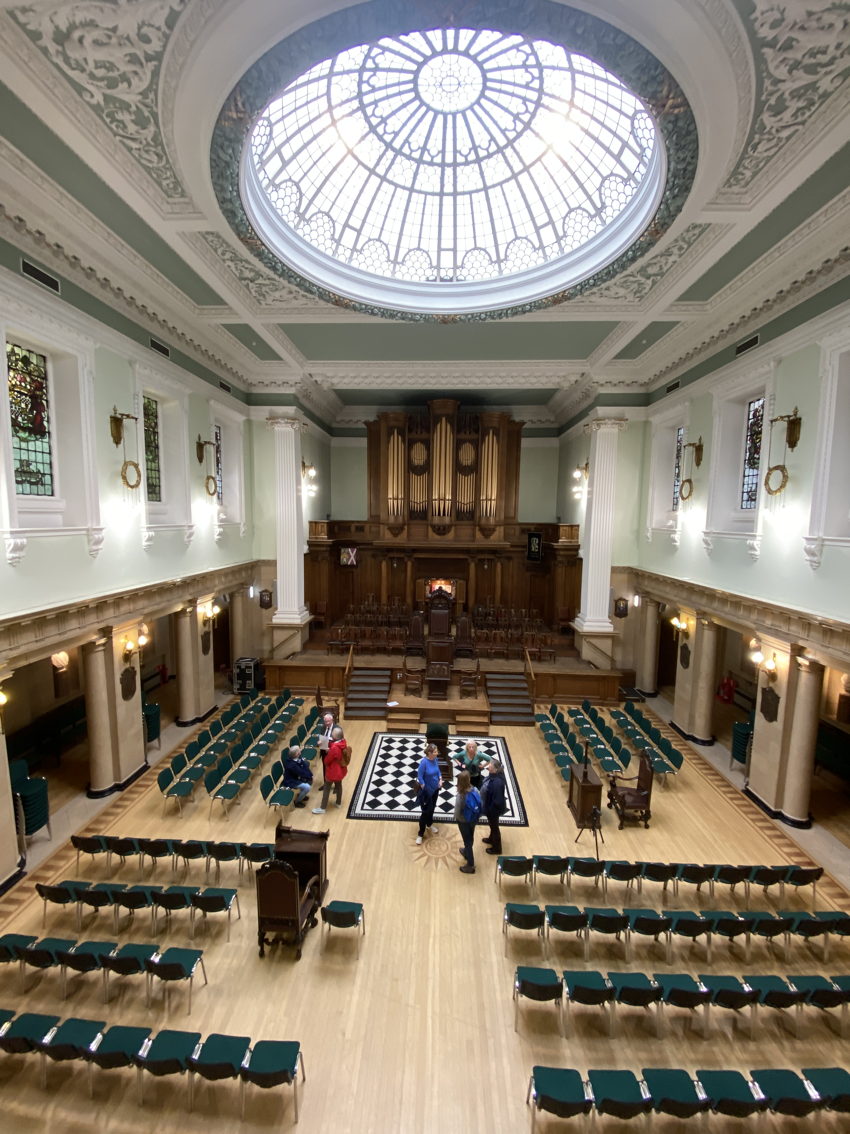


Origins and development
The festival was established in 1947 in the years following World War II. One of the founding figures was Rudolf Bing, then associated with Glyndebourne, who argued that international artistic exchange could help heal wartime divisions. Bing later became General Manager of the Metropolitan Opera in New York City. Over the decades the Edinburgh International Festival expanded from an initial emphasis on high‑quality classical presentation into a wider programme of performance and visual culture. Since 2014 Fergus Linehan has been named as a director involved in shaping its recent editions.
Programme, venues and characteristics
Originally known for prominent performances of classical music, the festival now stages major operatic productions, ballet and contemporary ballet, installations and exhibitions in sculpture and fine art, together with lectures and literary events. It commissions new work, hosts international guest companies, and often presents world or national premieres. The festival uses numerous city venues, ranging from concert halls to theatres and churches; its administrative and information centre has been based at The Hub, close to Edinburgh Castle, since the late 1990s.
- Major performance spaces commonly used include Usher Hall, the Festival Theatre, Edinburgh Playhouse and The Queen's Hall.
- Programming balances orchestral seasons, staged drama and opera, dance seasons and curated exhibition projects.
Scale, relationship to other Edinburgh festivals
The International Festival runs at the same time as a number of other events in Edinburgh each August. The simultaneous presence of multiple festivals — including the open‑access Fringe and specialist festivals for comedy, film and literature — turns the city into a concentrated period of activity. Audiences and artists travel from around the world, and the combined offerings produce thousands of performances, talks and exhibitions citywide during the summer season.
Notable facts and interruptions
The Edinburgh International Festival has become a showcase for high‑profile international companies and established artists, and has helped launch or develop repertory and collaborations. It has also been a commissioning body for new music, theatre and visual projects. The only year it did not run in its traditional form in the 21st century was 2020, when the event was cancelled in response to the Covid‑19 pandemic; many editions have adapted formats in response to changing circumstances.
Distinctive role and legacy
Unlike the citywide open‑access events, the Edinburgh International Festival remains a curated festival with an emphasis on invited international artists and large‑scale productions. Its post‑war foundation is often cited as part of a broader cultural effort to restore international exchange and public life. Today it continues to attract touring orchestras, companies and visual artists, serving both as a presentation platform and as a generator of new commissions that feed the wider performing and visual arts ecology.
For practical information about current programmes, tickets and access, consult official festival resources and seasonal brochures published each year by the organisers.
Related articles
Author
AlegsaOnline.com Edinburgh International Festival Leandro Alegsa
URL: https://en.alegsaonline.com/art/30140