
Elimination Chamber (2010) — WWE pay-per-view in St. Louis
WWE Elimination Chamber (2010) was a February pay-per-view held at the Scottrade Center in St. Louis featuring two Elimination Chamber title matches and multiple undercard championship defenses.
Elimination Chamber (2010) was a World Wrestling Entertainment pay-per-view staged on February 21, 2010 at the Scottrade Center in St. Louis, Missouri. The event took the place of the earlier February show No Way Out and was marketed under that name in some territories, including Germany where it was advertised as No Way Out. As a professional wrestling pay-per-view event, its main attractions were two matches contested inside the distinctive Elimination Chamber structure.
Image gallery
8 Images






Concept and rules
The Elimination Chamber match is a multi-competitor, elimination-style contest built around a large circular steel structure. Six wrestlers participate: two start the match in the ring while four others are enclosed in individual outer pods and released at timed intervals. Competitors are eliminated by pinfall or submission until one survivor remains; at pay-per-views this format is often used to determine or defend major titles. At the 2010 show both the WWE Championship and the World Heavyweight Championship were at stake, making the card unusually heavy on top-billing title matches.
Main card participants
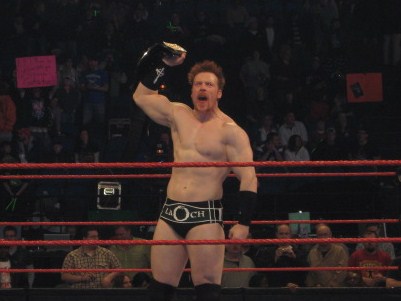
The Raw-brand Elimination Chamber featured champion Sheamus alongside challengers Triple H, Randy Orton, John Cena, Kofi Kingston and one other competitor representing the roster. This match shaped the headline picture for the Raw side of the roster and had implications for the road to WrestleMania. The SmackDown Chamber saw the Undertaker defending against a group that included Chris Jericho, John Morrison, CM Punk, R-Truth and additional challengers, representing the blue brand's top-tier players.
Undercard and supporting matches
Alongside the two Chamber bouts, the undercard carried several championship matches. The WWE Intercontinental Championship was defended by Drew McIntyre against Kane, while The Miz put the United States Championship on the line against Montel Vontavious Porter. A women's tag contest featured Maryse and Gail Kim challenging Team Lay-Cool—Layla and Michelle McCool—in a tag team match. These bouts rounded out a card intended to balance marquee main events with title defenses across the roster.
History and significance
The Elimination Chamber concept has been used by WWE as a high-stakes fixture in the calendar, usually to advance storylines heading into the company’s biggest annual show. By placing multiple challengers and champions into a single, brutal environment, the format generates memorable moments, surprise returns, and shifting momentum among talents. The 2010 edition continued this tradition, underlining the Chamber's role in elevating feuds and establishing contenders.
Notable facts and legacy
Elimination Chamber (2010) is remembered for assembling a large roster of top performers in one evening and for reinforcing WWE's February pay-per-view slot as a decisive chapter on the road to WrestleMania. The event combined a spectacle-oriented main event structure with conventional title matches on the undercard, illustrating WWE's approach to mixing novelty match types with standard championship storytelling. For production and booking details, historical results, and match summaries, consult sources and archival records related to the show and the performers listed above.
For further reading on specific matches and career impacts, see profiles of the performers linked throughout this article and dedicated event write-ups available via archival resources: event listing, wrestling articles, pay-per-view coverage, series history, World Heavyweight title context, WWE title context, chamber rules, Sheamus profile, Triple H profile, Randy Orton profile, John Cena profile, Kofi Kingston profile, Raw brand, Undertaker profile, Chris Jericho profile, John Morrison profile, CM Punk profile, R-Truth profile, Drew McIntyre profile, Intercontinental title, Kane profile, The Miz profile, United States title, Maryse profile, Gail Kim profile, Layla profile, Michelle McCool profile, and tag team match format.
Questions and answers
Q: What was the name of the pro wrestling pay-per-view show?
A: The pro wrestling pay-per-view show was called Elimination Chamber (also known as No Way Out in Germany).
Q: When did it take place?
A: It took place on February 21, 2010 at the Scottrade Center in St. Louis, Missouri.
Q: What replaced No Way Out as WWE's February pay-per-view?
A: Elimination Chamber replaced No Way Out as WWE's February pay-per-view.
Q: How many wrestlers were in each main event match?
A: Each main event match had six wrestlers in it - the defending champion and five challengers.
Q: Who defended the WWE Championship against Triple H, Ted DiBiase, Randy Orton, John Cena and Kofi Kingston?
A: Sheamus defended the WWE Championship against Triple H, Ted DiBiase, Randy Orton, John Cena and Kofi Kingston in the Raw Elimination Chamber.
Q: Who defended the World Heavyweight Championship against Chris Jericho, John Morrison, Rey Mysterio CM Punk and R-Truth?
A: The Undertaker defended the World Heavyweight Championship against Chris Jericho, John Morrison, Rey Mysterio CM Punk and R-Truth.
Q: What other matches were featured on this show?
A: On the undercard of this show Drew McIntyre defended the WWE Intercontinental Championship against Kane; The Miz defended the WWE United States Championship against Montel Vontavious Porter; Maryse and Gail Kim wrestled against Team Lay Cool (Layla and Michelle McCool) in a tag team match.
Related articles
Author
AlegsaOnline.com Elimination Chamber (2010) — WWE pay-per-view in St. Louis Leandro Alegsa
URL: https://en.alegsaonline.com/art/30830
Sources
- wwe.com : "The Official Theme Song for Elimination Chamber is "Rise Up" by Cypress Hill"
- prowrestlinghistory.com : "WWE Elimination Chamber"
- silvervisiondvd.de : "No Way Out (Elimination Chamber) 2010 DVD"
- wrestleview.com : "Elimination Chamber, Y2J, Cena, more"
- wwe.com : "WWE presents Elimination Chamber"
- scottradecenter.com : "WWE Elimination Chamber"
- wrestleview.com : "Elimination Chamber dark match"
- wwe.com : "Results: Intermittent reign"
- wwe.com : "Results: McIntyre gets off scot-free"
- wwe.com : "Results: SmackDown thwarts gateway to Divas Title"
- wwe.com : "Results: Make no Miz-take"
- wwe.com : "Results: Heartbroken"
- pwtorch.com : "WWE Elimination Chamber PPV Report"