
Dance: forms, functions, and cultural significance
An accessible overview of dance as a performing art: its features, social and cultural roles, types, training and choreography, and common uses in ritual, entertainment, sport and therapy.
Overview
Dance is a broad performing art in which people use intentional body movement, often set to rhythm or sound, to communicate, celebrate or perform. It appears in many contexts: informal play and social gatherings, religious or communal rituals, staged professional performances, and everyday social life across virtually every human society. Movement in dance is frequently coordinated with music or a pulse provided by instruments and voices; for information about musical accompaniment see music resources. Some dances arise spontaneously as amusement or play among friends, while others are learned and rehearsed for presentation.
Image gallery
10 Images




Characteristics and components
Core elements of dance include rhythm, space, dynamics, and expression. Rhythm organizes movement in time and is often guided by musical structure or a drumbeat. Space and formation—how dancers use the floor and relate to one another—shape the visual patterns of a dance. Many dancers use the medium to express feelings and emotions, or to narrate a story; when movement accompanies a narrative it may be described as dance-drama or narrative dance forms. Dance commonly combines with song vocal music and instrumental accompaniment instruments, though some traditions emphasize purely percussive or body-based rhythms. Emotional expression through movement is a widely recognized purpose of dance.
History and cultural role
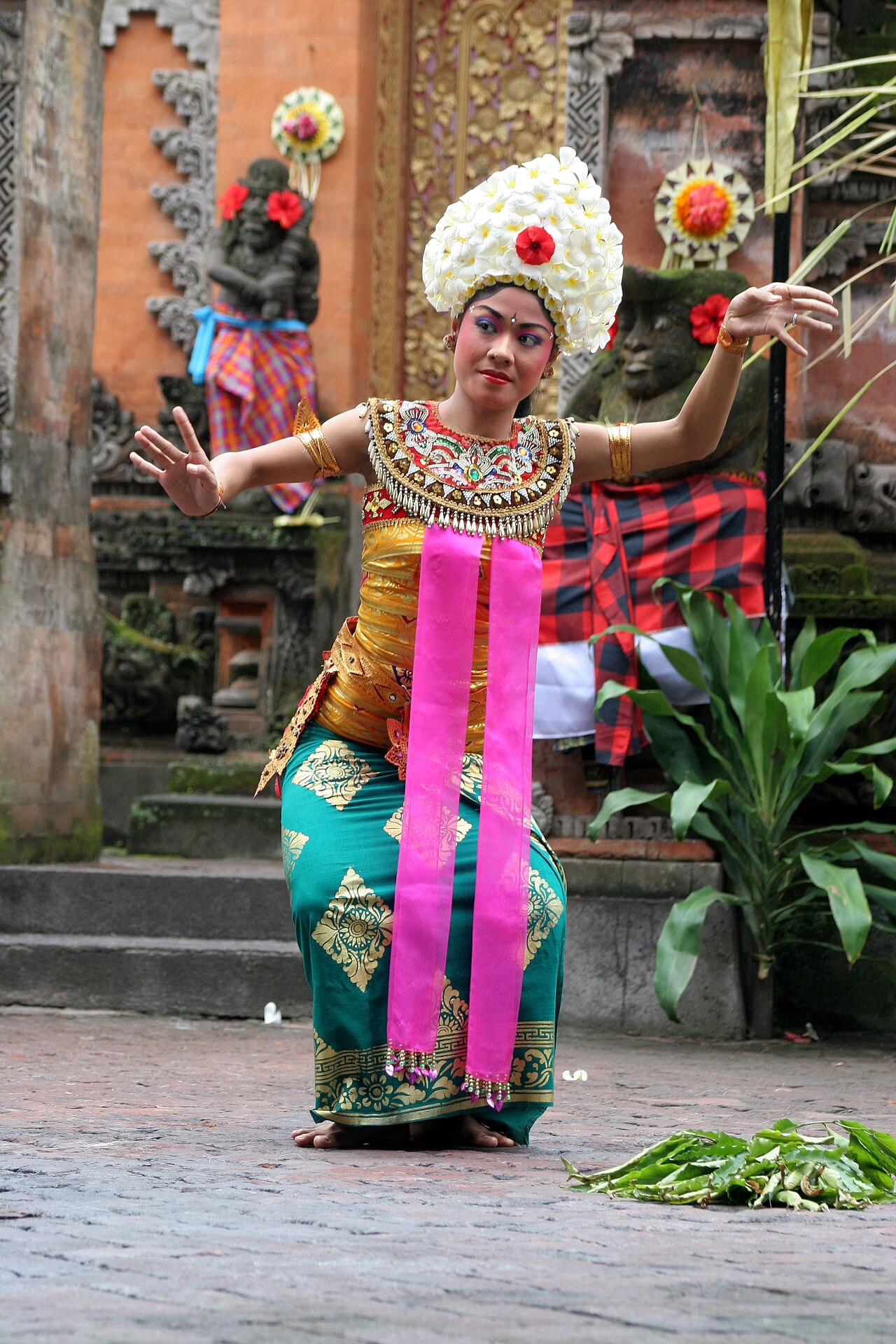
Dance has deep prehistoric roots and has long been integral to rites of passage, seasonal celebrations and communal storytelling. While specific origins of particular dances are often difficult to date, ethnographic and historical records show that dance serves to transmit cultural values, mark life-cycle events, and create social bonds. Different cultures develop distinctive vocabularies of steps, costumes, and music; over time these elements evolve as communities borrow, adapt and reinvent forms. Scholars and practitioners study dance both as an artistic discipline and as a social practice that reveals information about identity and power.
Forms, training and choreography
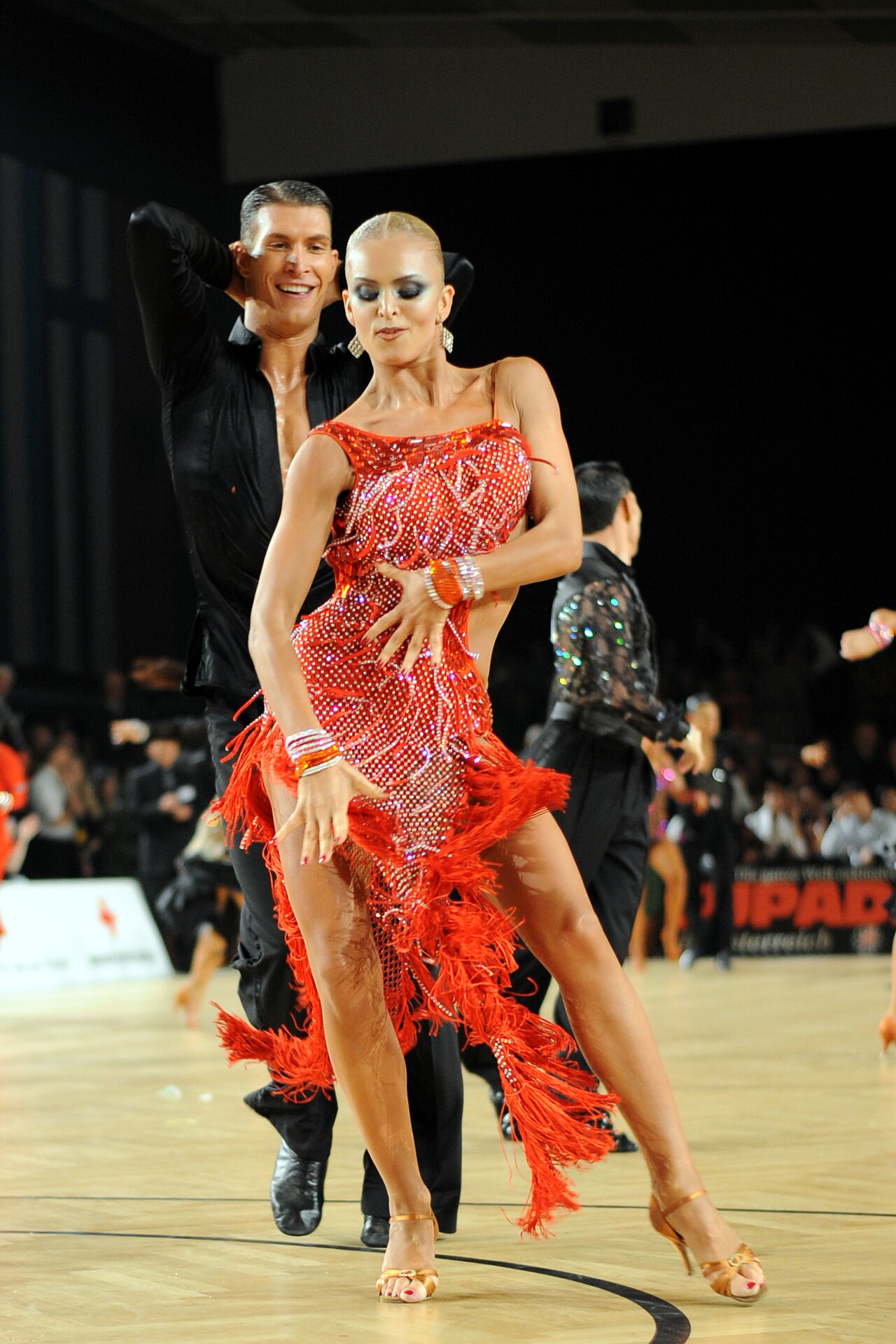
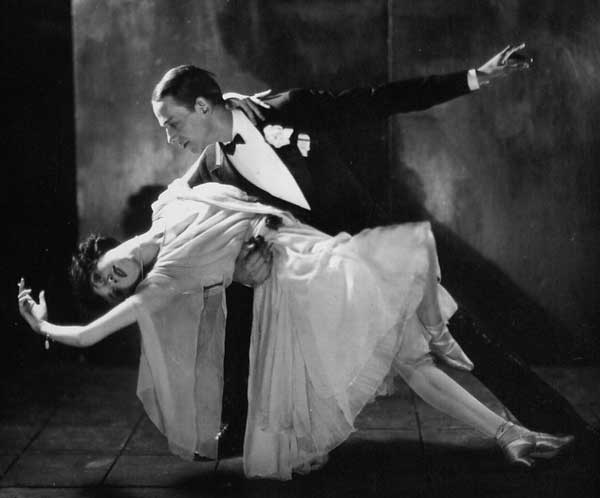
There is no single taxonomy of dance, but common categories include social dance, folk and traditional dance, theatrical and concert dance, ceremonial dance, and competitive or sport-related forms. Some dances are performed by couples, others by ensembles, and some are solo. Many dancers train in schools or conservatories and may pursue technical exams and performance experience; competitive dance and partner dances also emphasize athletic skill and precision in sport settings. Planning and composing movement is called choreography, usually done by a choreographer who arranges steps, timing and formations (choreography). Within training and composition, styles and conventions guide choices; these broader patterns of movement and etiquette are often described as a dance's style or pattern styles and patterns.
Uses, examples and notable distinctions
- Social and celebratory: wedding dances, community festivals and club dancing.
- Religious and ceremonial: dances that accompany rites, prayers or seasonal observances.
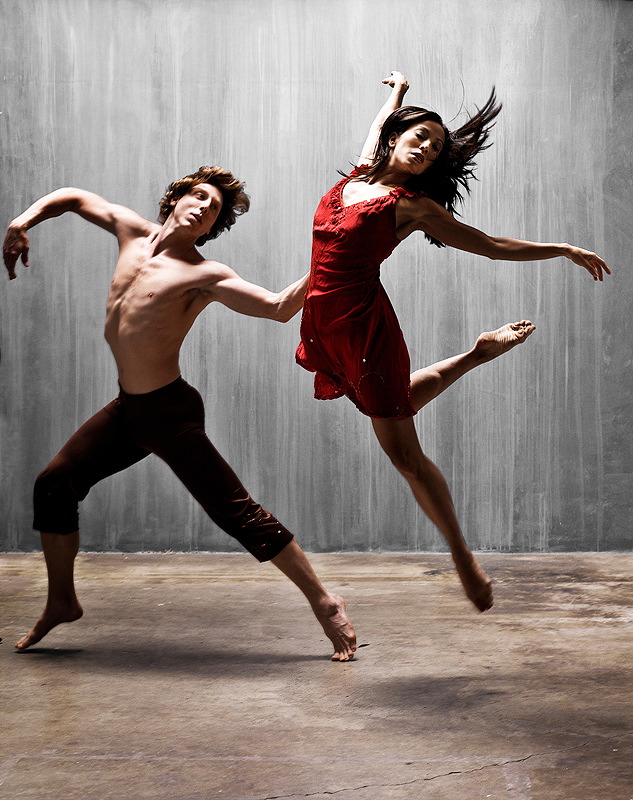
- Artistic and theatrical: ballet, modern dance and contemporary performance pieces staged for audiences.
- Sport and competition: ballroom contests, breakdance battles and judged events that emphasize technique and score.
- Therapeutic and educational: dance is used in physical rehabilitation, mental health programs and schools to develop coordination and social skills.
Although the vocabulary and rules of dance differ widely, most traditions balance improvisation and structure. Some dances encourage free, spontaneous movement; others require precise repetition of established steps. Whether used for entertainment, identity expression, spiritual practice or athletic challenge, dance remains a versatile human activity that combines creativity, communication and physical skill.
Further reading and resources can be found through introductory materials and practical guides; for general music context see music references, and for information on informal practice or play consult social dance guides. For specialized topics—ritual practice, performance or pedagogy—explore the relevant cultural or academic resources linked above.
Professional performance | Cultural surveys | Emotional expression in dance | Dance storytelling | Song and dance | Music and rhythm | Dance as sport | Choreography basics | Styles and patterns
Questions and answers
Q: What is dance?
A: Dance is a performing art where people move to a musical rhythm, either alone or in a group.
Q: Are there different kinds of dances?
A: Yes, there are many kinds of dances, and each human society has its own dances.
Q: Why do some people dance?
A: Some people dance to express their feelings and emotions, or to feel better. Dance can also be used to tell a story.
Q: Is dance considered a sport?
A: Yes, dancing can be considered a sport as it has similar athletic aspects.
Q: Where can people go to learn to dance?
A: People who want to learn to dance can go to dance schools.
Q: What is choreography?
A: Choreography is the planning and creation of a dance, typically done by a choreographer.
Q: What are some general styles or patterns that most dancing follows?
A: Some general styles or patterns that most dancing follows include couple dancing and ensemble dancing.
Related articles
Author
AlegsaOnline.com Dance: forms, functions, and cultural significance Leandro Alegsa
URL: https://en.alegsaonline.com/art/25342
Sources
- commons.wikimedia.org : Dance
- telegraph.co.uk : "The truth about life as a background dancer"