
Theatre: live performance, spaces, history and terminology
Comprehensive overview of theatre: meanings, historic origins, principal parts and roles, common forms and uses, and distinctions in spelling and practice.
Overview
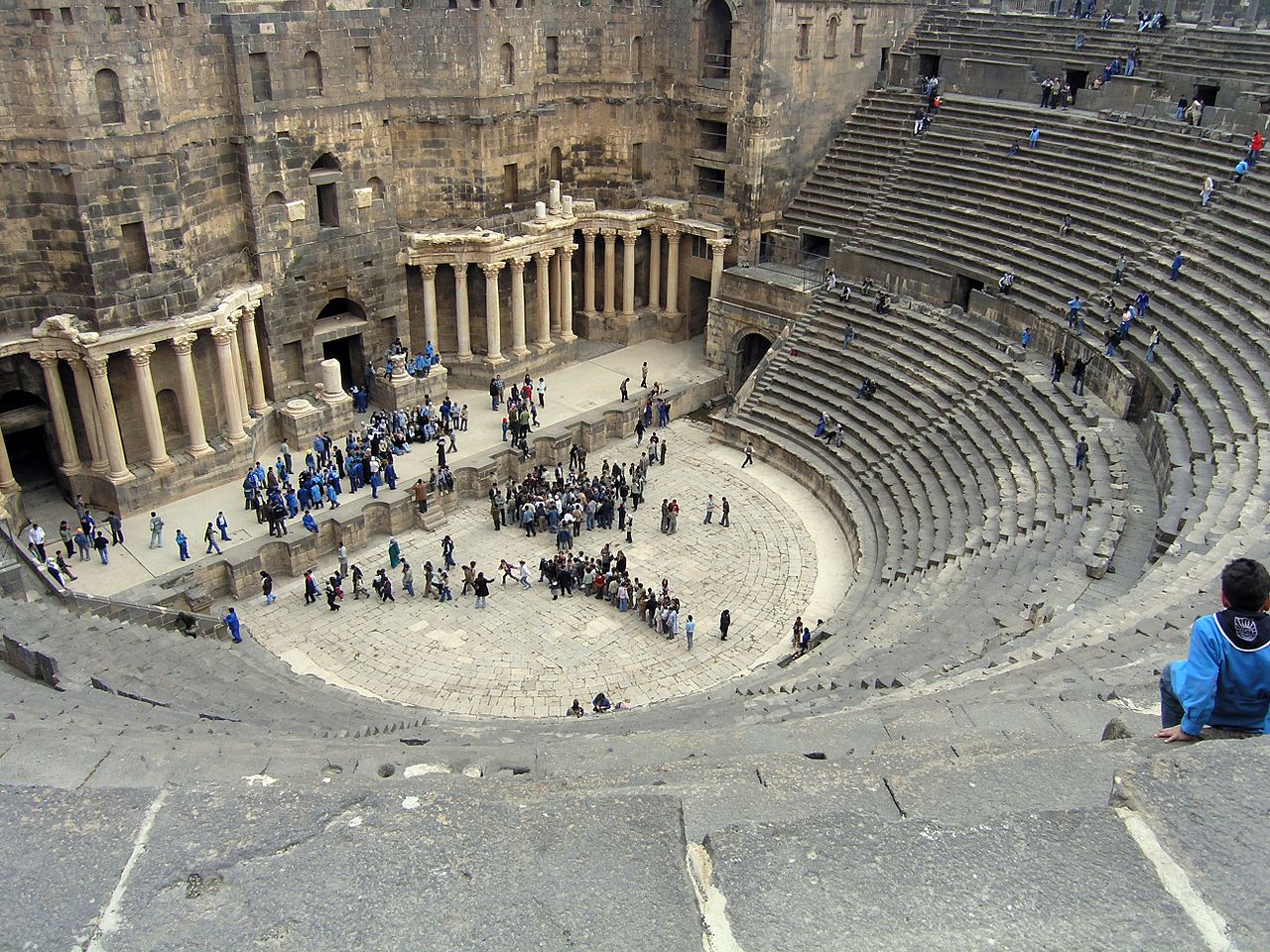
Theatre is both an activity and a place: it names the art of performing scripted or improvised work for an audience, and the buildings or spaces where that activity takes place. The term appears in two main spellings in English: theatre is common in British usage, while theater is widely used in American English. Historically the word derives from the Greek term theatron, which meant a viewing place. In contemporary usage, theatre usually implies live staged performance, although in some dialects the word can also refer to a movie theatre or cinema.
Image gallery
10 Images





Components and roles
Any theatrical production brings together creative, technical and managerial elements. Typical components include:
- Physical spaces: stage, auditorium, backstage wings, rehearsal rooms and technical booths.
- Creative roles: playwright (or author), director, actors, choreographer, and musical director when applicable.
- Design and technical teams: set, costume, lighting and sound designers, properties and stage management.
- Support and production: producers, technicians, front-of-house staff and marketers who make performances possible.
These parts work together to create an event that exists in the moment: every performance is distinct because of live actors, audience response and the variable conditions of performance.
History and development
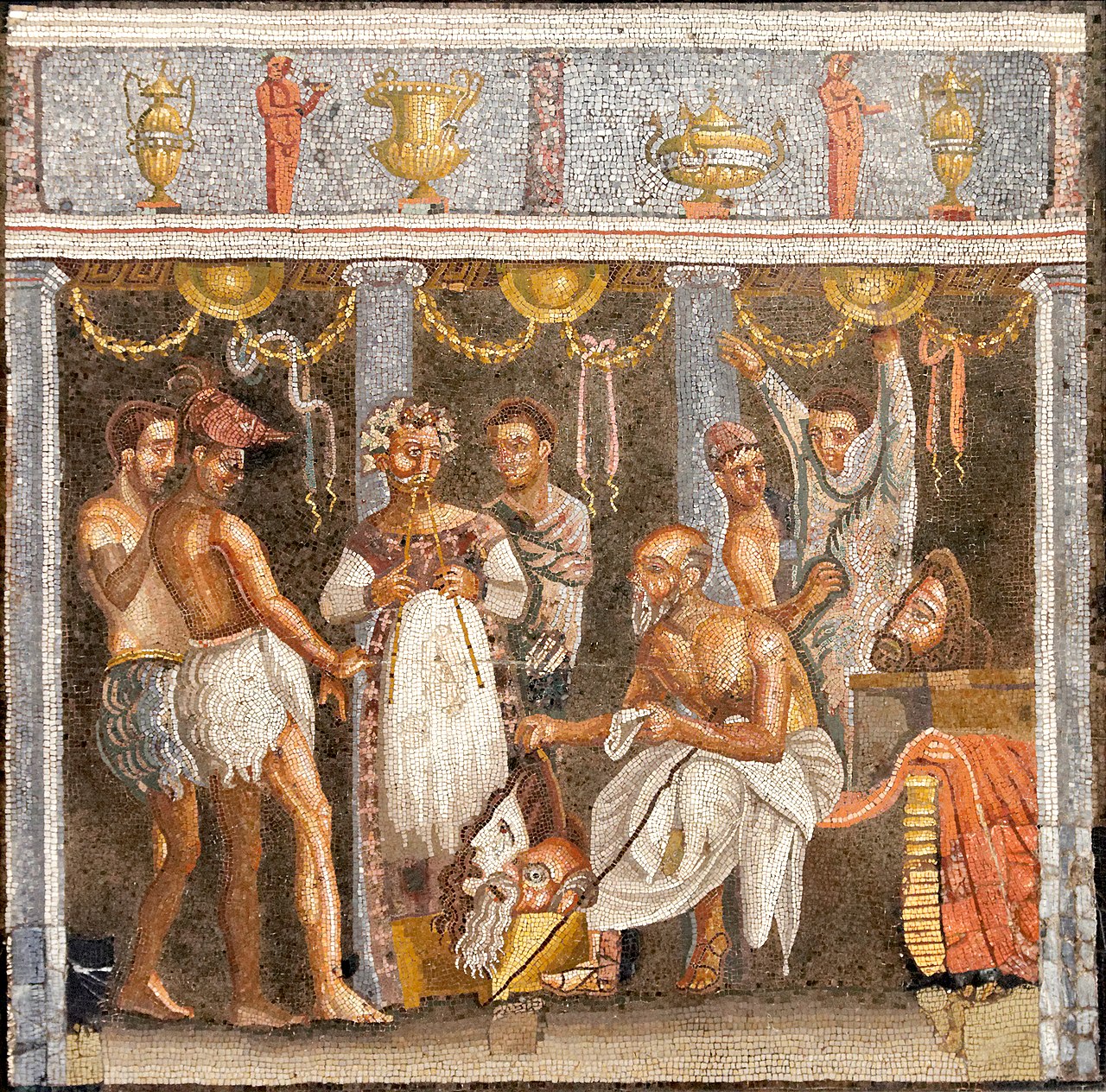
Theatre has deep historical roots. In ancient Greece, public festivals staged tragedies and comedies; later, Roman, Asian and African traditions developed their own dramatic forms. During medieval Europe, liturgical dramas and mystery plays reintroduced story-telling to public spaces. The Renaissance revived interest in classical models and led to purpose-built playhouses. From the 19th century onward, innovations in stagecraft, lighting and acting technique expanded possibilities, and the 20th century brought experimental and politically engaged theatre alongside commercial commercial forms such as musical theatre.
Forms, functions and examples
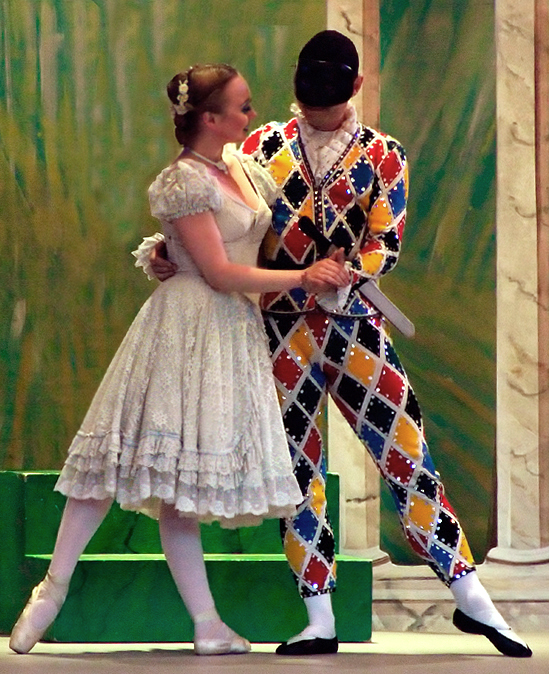
Theatre serves many social functions: entertainment, moral instruction, ritual, political critique, education and community building. Common forms include straight plays, comedies, tragedies, musical theatre, opera, dance-theatre, puppetry and devised performance. Community and fringe theatres often produce new or local work, while national and repertory companies mount classics and large-scale productions. Theatrical techniques can be adapted to film, radio and digital media, but live theatre retains a distinctive immediacy.
Terminology, spelling and distinctions
Spelling choice often signals meaning for some speakers: many people use theatre to refer specifically to live stage work and theater to mean a cinema, while others use the two spellings interchangeably. In practice, context clarifies usage: a conversation about stagecraft likely uses theatre as an artform, and conversation about screenings uses theater or cinema. For discussion of origins and terminology, see general language references and histories of dramatic art, and for practical information about venues and programming consult local theatre listings or institutional pages such as resources on live performance.
Notable facts and contemporary relevance
Theatre is inherently collaborative and ephemeral: each performance is co-created by performers and audience in a shared time and space. Because of this, theatre remains a potent tool for social reflection and cultural expression. Modern practitioners combine traditional texts with new technologies and interdisciplinary approaches to reach diverse audiences. Whether as a professional industry or community practice, theatre continues to adapt while preserving its core purpose of staging human stories for collective experience.
For further reading on language and variants of the word and its history, consult linguistic and theatrical encyclopedias or introductory texts on dramatic literature. Institutional websites and academic surveys provide deeper accounts of regional forms, technical practice and the evolution of performance.
Questions and answers
Q: What is the origin of the word "theatre"?
A: The word "theatre" comes from the Greek word "Theatron", which means "a place for viewing".
Q: What does "theater" mean in American English?
A: In American English, "theater" can mean either a place where films are shown (also known as a cinema) or a place where live stage plays are performed.
Q: What does "theatre" mean in British English?
A: In British English, "theatre" means a place where live plays are performed.
Q: Do some English and American people use different spellings for "theatre" and "theater"?
A: Yes, some people, both English and American, use the spelling "theatre" to refer to a place where live plays are performed, and the spelling "theater" to refer to a cinema.
Q: What does "theatre" mean when it refers to the business of putting on plays?
A: When "theatre" refers to the business of putting on plays, it means the industry or profession of producing live stage plays.
Q: Who might say "I am in the theatre business"?
A: An actor might say "I am in the theatre business" to indicate that they are involved in producing live stage plays.
Q: What does it mean when a writer says "I write for the theatre"?
A: When a writer says "I write for the theatre", it means that they write plays, as opposed to writing for movies or television shows.
Related articles
Author
AlegsaOnline.com Theatre: live performance, spaces, history and terminology Leandro Alegsa
URL: https://en.alegsaonline.com/art/99177
Sources
- commons.wikimedia.org : Theatre