
The Metropolitan Opera (The Met)
The Metropolitan Opera is a major New York City opera company and house, known for large-scale productions, a long history since 1880, global broadcasts, and current music director Yannick Nézet-Séguin.
Overview
The Metropolitan Opera, often called the Met, is a leading American opera company and the organization that produces its performances. It is based in New York City and presents a wide range of works from the operatic repertory. The Met combines a resident company of singers, conductors and production staff with visiting international artists to stage fully staged opera seasons and special events.
Image gallery
10 Images




House, facilities and artistic profile
The company's principal performing venue is the Metropolitan Opera House at Lincoln Center, commonly referred to simply as the Met. The house is noted for its large stage, elaborate sets and technical resources that support elaborate, often visually ambitious productions. The Met's programming spans classic works and contemporary commissions, performed in a variety of languages with surtitles for audiences.
History and development
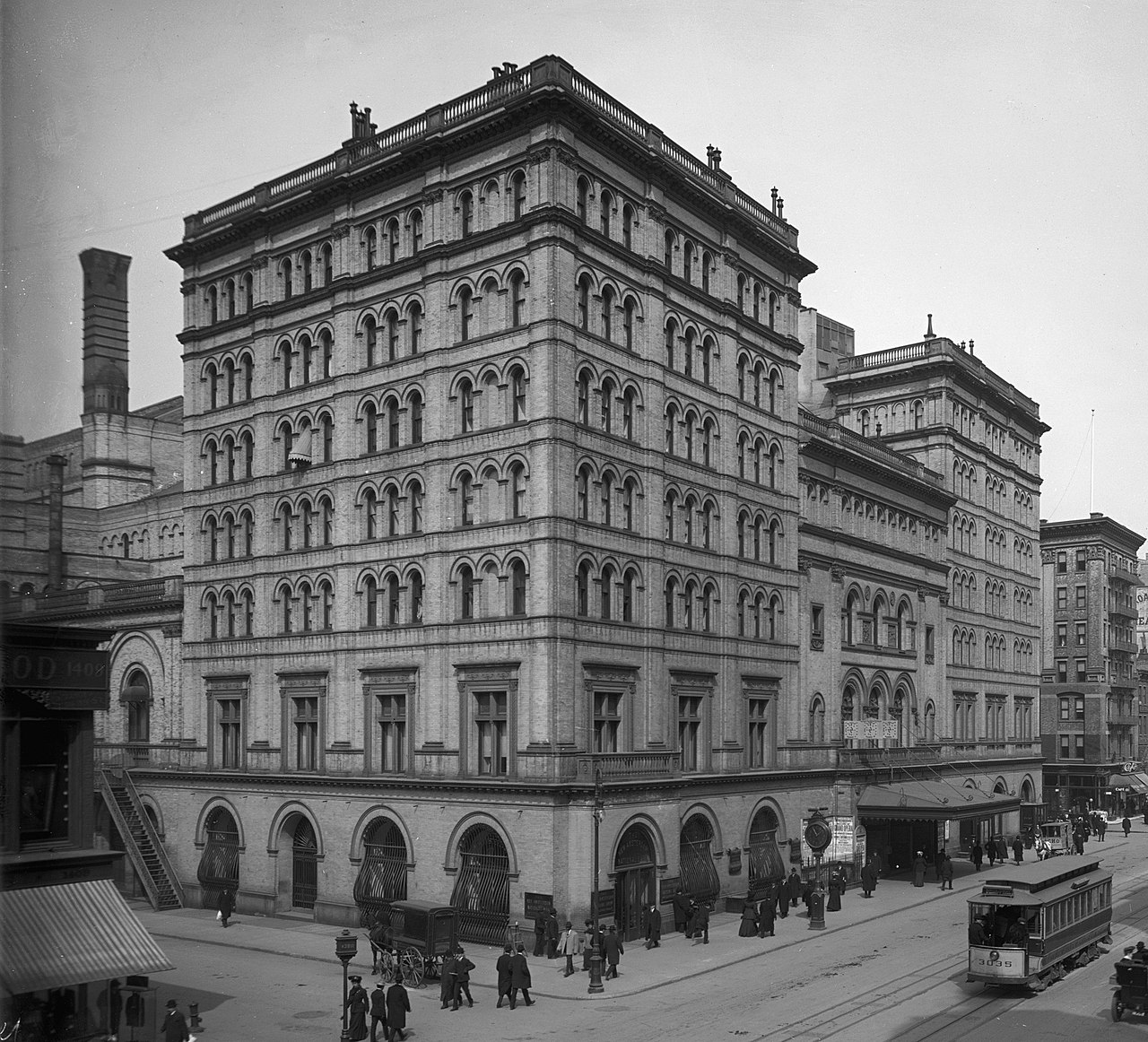
The organization traces its origins to the late 19th century and is generally dated to 1880. Over time it grew into one of the world’s most prominent opera institutions, expanding its repertory, touring presence and technological reach. The Met relocated to a purpose-built opera house in the mid-20th century and has since become closely identified with Lincoln Center's cultural complex.
Productions, broadcasts and public reach
Beyond live performances, the Met has long sought broad audiences through radio transmissions, television and cinema relays, bringing productions to listeners and viewers outside the theater. These initiatives helped popularize opera and extend the Met's influence nationally and internationally. The company stages complete seasons of opera and also presents gala events, educational programs and community outreach.
Leadership and repertoire
Musical leadership has been an important part of the Met's identity. The current music director is Yannick Nézet-Séguin, who leads many major productions and shapes artistic planning. The Met's repertory covers Italian, German, French and modern works, and it frequently features star singers and conductors from around the world.
Notable facts and distinctions
- The administrative entity, The Metropolitan Opera Association, manages production, planning and outreach.
- The Met is widely recognized among the leading opera houses internationally for its scale and ambition.
- It presents staged performances of opera and maintains educational and archival programs.
- Its long institutional history makes it a central reference point in American musical life.
Related articles
Author
AlegsaOnline.com The Metropolitan Opera (The Met) Leandro Alegsa
URL: https://en.alegsaonline.com/art/64266