
Elimination Chamber (2011) — WWE pay-per-view event in Oakland
Overview of WWE's Elimination Chamber (2011), its match format, outcomes, historical context and aftermath, including John Cena and Edge winning Chamber matches and title implications.
Overview
Elimination Chamber (2011) was a professional wrestling pay-per-view produced by World Wrestling Entertainment and held on February 20, 2011, at the Oracle Arena in Oakland, California (Oracle Arena). It was the second event to carry the Elimination Chamber name and was promoted in Germany under the alternate title No Way Out (2011). The card featured a headline stipulation match unique to WWE: the Elimination Chamber.
Image gallery
2 Images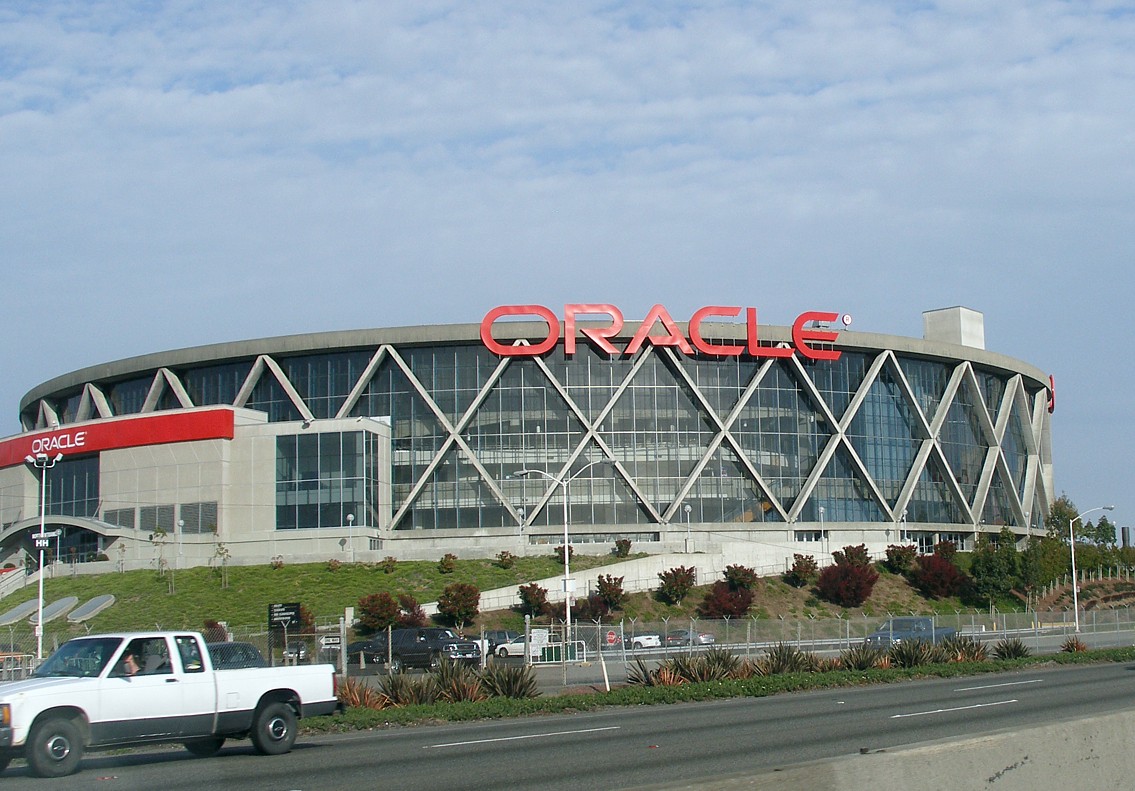

Elimination Chamber format and rules
The Elimination Chamber is a multi-competitor match contested inside a large circular steel structure that surrounds the ring. Six wrestlers participate: two begin in the ring and four start in individual enclosed pods. At timed intervals a pod opens, releasing another competitor. Eliminations occur by pinfall or submission, and the match continues until only one wrestler remains. This format is designed for high drama and shifting momentum and often determines contenders or champions heading into a major show.
Matches and outcomes
At the 2011 event the most consequential matches were two Elimination Chamber contests occurring on different brand divisions. The Raw-brand chamber produced a winner who earned a world title opportunity at WWE's flagship event later in the year; the SmackDown-brand chamber determined the holder of the World Heavyweight Championship on that night. In the Raw Elimination Chamber match, The Miz — then the reigning WWE Champion — was defeated as the challenger emerged victorious and secured a title match at WrestleMania XXVII. On the SmackDown side, the chamber outcome saw a veteran performer capture the World Heavyweight Championship.
Historical context and significance
Elimination Chamber events occupy a consistent role in WWE's yearly calendar as a late-winter show that often sets up WrestleMania storylines. Introduced as a distinct PPV concept in the late 2000s, the Elimination Chamber itself traces its origins to a match type created earlier in the decade. The 2011 edition continued the tradition of using the structure to produce major title changes and definitive challengers, shaping the principal matches on the road to WWE's biggest annual spectacle.
Notable features and aftermath
- Event location and production: held in a major northern California arena noted for large crowds and television production facilities.
- Title ramifications: winners of Chamber matches at this event directly affected the championship matches at WrestleMania season.
- Brand split context: matches were contested under the separate Raw and SmackDown brands, reflecting WWE's roster divisions at the time.
For contemporary coverage, historical results and a full match listing, consult official event archives and wrestling reference sources via the promotion's pages and event summaries (pay-per-view details) or archived reports (WWE Championship context, German promotion title). Additional background on the performer who challenged at WrestleMania and on the championship lineage can be found through match histories and promotional retrospectives (WrestleMania XXVII, The Miz, Oracle Arena).
Questions and answers
Q: What is the Elimination Chamber (2011) event?
A: The Elimination Chamber (2011) event is a professional wrestling pay-per-view event made by WWE.
Q: When did the Elimination Chamber (2011) event take place?
A: The Elimination Chamber (2011) event took place on February 20, 2011.
Q: Where did the Elimination Chamber (2011) event take place?
A: The Elimination Chamber (2011) event took place at the Oracle Arena in Oakland, California.
Q: Who won the Raw Elimination Chamber match at the Elimination Chamber (2011) event?
A: John Cena was the winner of the Raw Elimination Chamber match at the Elimination Chamber (2011) event.
Q: What did John Cena receive after winning the Raw Elimination Chamber match at the Elimination Chamber (2011) event?
A: John Cena received a WWE Championship match at WrestleMania XXVII against The Miz after winning the Raw Elimination Chamber match at the Elimination Chamber (2011) event.
Q: Who won the World Heavyweight Champion at the Elimination Chamber (2011) event?
A: Edge was the winner of the SmackDown Elimination Chamber match and won the World Heavyweight Champion at the Elimination Chamber (2011) event.
Q: Was the Elimination Chamber (2011) event also known as No Way Out (2011) in any country?
A: Yes, the Elimination Chamber (2011) event was known as No Way Out (2011) in Germany.
Related articles
Author
AlegsaOnline.com Elimination Chamber (2011) — WWE pay-per-view event in Oakland Leandro Alegsa
URL: https://en.alegsaonline.com/art/30831