
Sculpture: Forms, Materials, Techniques, and Historical Development
A concise encyclopedia overview of sculpture as three-dimensional art, covering its characteristics, principal materials and techniques, historical development, cultural roles, and conservation concerns.
Sculpture is a branch of the visual arts that creates works having three dimensions: height, width and depth. Unlike paintings, which are largely two-dimensional, a sculpture occupies and alters physical space and can be experienced by moving around it. This spatial quality is often explained by reference to simple solids — for example, a working sculptor may think in terms of forms similar to a cube, a sphere or a cylinder when planning mass and volume.
Image gallery
9 Images





Characteristics and types
Sculpture appears in many formats. Major distinctions include:
- Freestanding (in the round): objects meant to be viewed from multiple sides.
- Relief: carved or modeled elements attached to a background surface, ranging from low (bas) relief to high relief.
- Environmental and installation works: pieces that interact with a site or incorporate architecture.
- Kinetic and new-media sculpture: works that move or use light, sound or electronics.
Techniques and materials
Sculptors employ a handful of core processes: carving (removing material from stone or wood), modeling (shaping pliable materials such as clay or wax), casting (pouring molten metal or other materials into a mold) and assemblage (joining found objects or fabricated parts). Common materials include stone, bronze and other metals, wood, clay, glass, plaster and modern synthetics. Scale ranges from small maquettes to monumental public works.
History and development
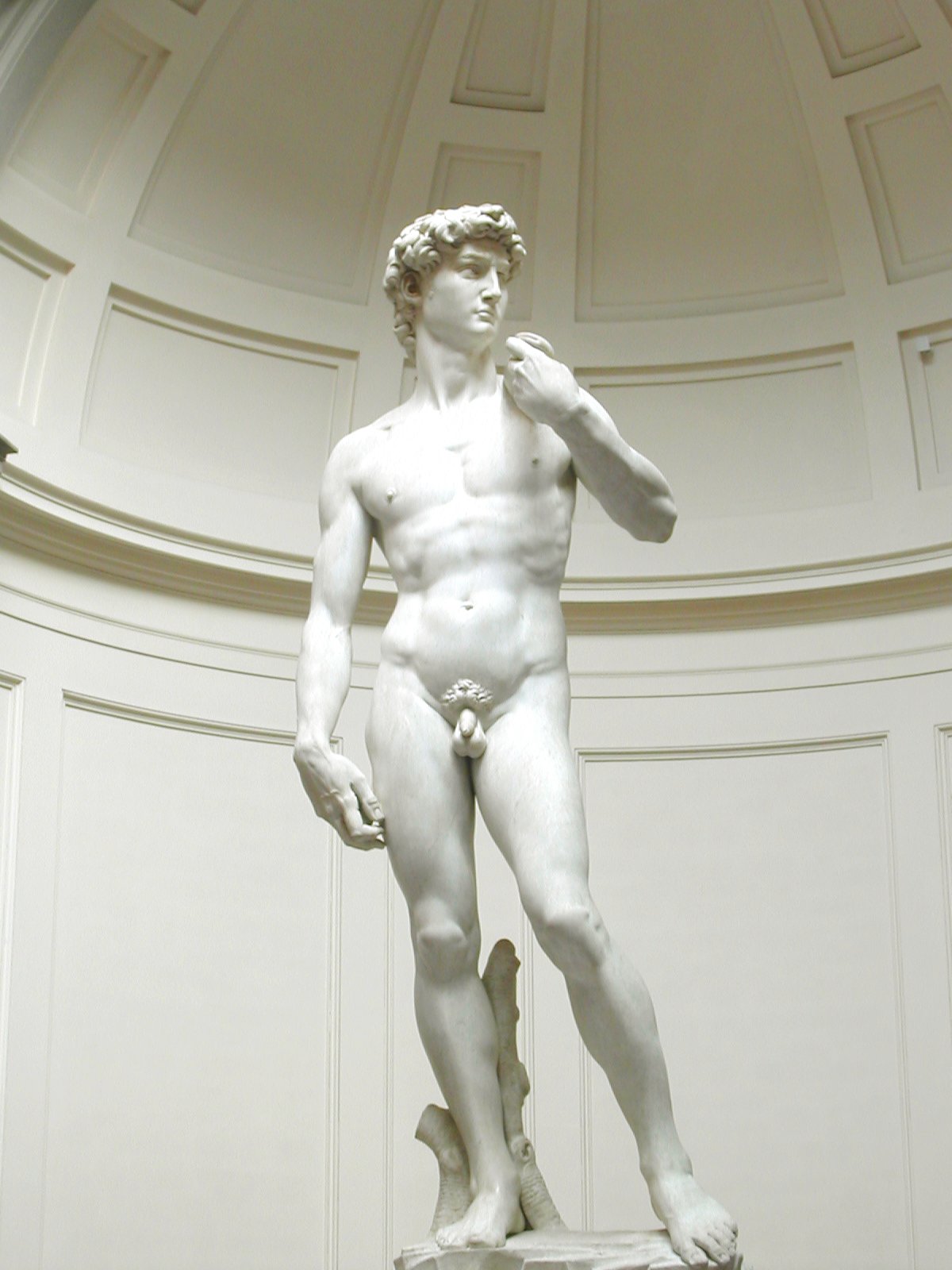
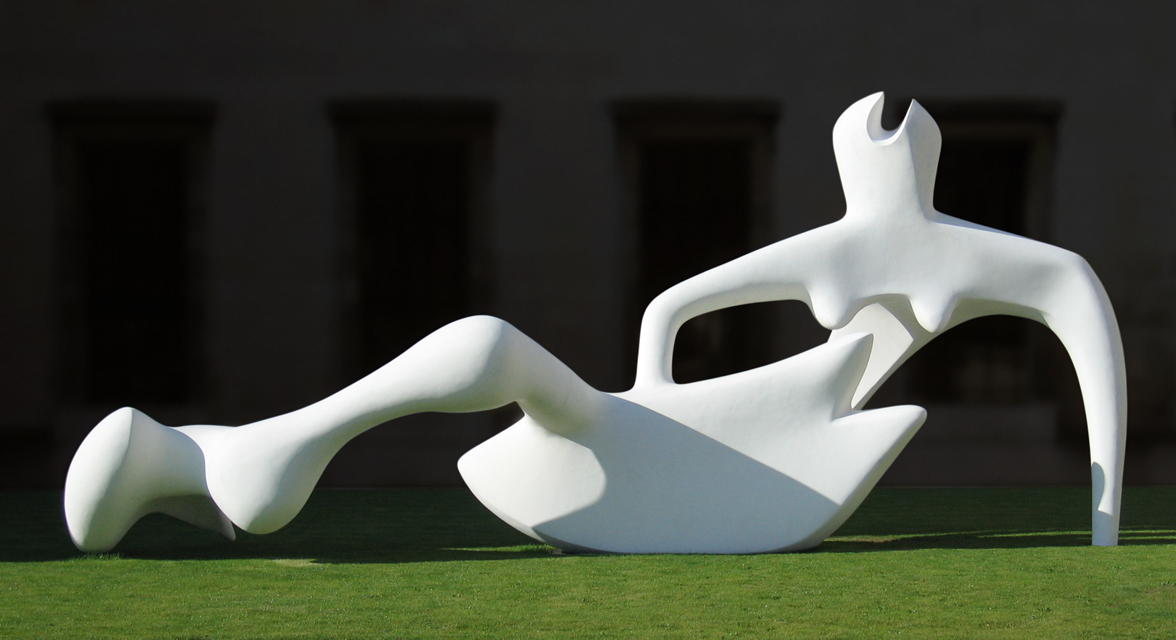
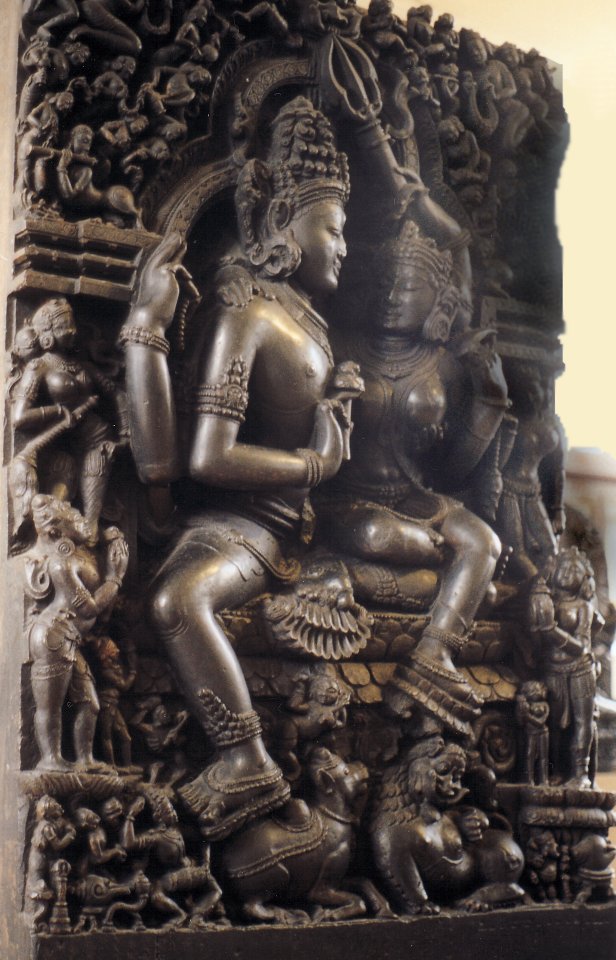
Sculptural practice is ancient and global: carved figurines, architectural reliefs and large statuary appear across prehistoric, classical, medieval and non-Western traditions. In Europe the Renaissance renewed interest in naturalism and human anatomy, while later periods — including modern and contemporary art — expanded forms and materials, introducing abstraction and conceptual approaches. Important traditions outside Europe, such as those of South Asia and East Asia, developed distinct iconographies, techniques and religious associations.
Uses, contexts and conservation
Sculpture serves many roles: religious and funerary monuments, public commemoration, decorative objects, expressions of identity, experimental art and functional design. Because sculptures are physical objects exposed to environment and handling, conservation addresses material decay, weathering, corrosion and past restoration. Museums and communities balance preserving original materials with access and interpretation.
For further reading on techniques and history, see resources on sculptural practice and periods such as the Renaissance, and introductory overviews available through general art references and museum collections (sculpture resources).
Questions and answers
Q: What is sculpture?
A: Sculpture is a type of art that must have height, width, and depth like a cube.
Q: What are the characteristics of sculpture?
A: Sculpture must be three-dimensional.
Q: What are the different types of sculptures from around the world?
A: There are many kinds of sculptures from different parts of the world, like China and India.
Q: What are the different kinds of sculptures from different time periods?
A: There are different kinds of sculptures from different time periods, like the Renaissance and modern times.
Q: What are some examples of sculptures?
A: Examples of sculptures can be seen in the pictures below.
Q: What is the significance of height, width, and depth in sculpture?
A: Height, width, and depth in sculpture give it a three-dimensional form, allowing it to be viewed from multiple angles.
Q: What is the difference between a two-dimensional and three-dimensional artwork?
A: Two-dimensional artwork lacks depth, while three-dimensional artwork, like sculpture, has height, width, and depth.
Related articles
Author
AlegsaOnline.com Sculpture: Forms, Materials, Techniques, and Historical Development Leandro Alegsa
URL: https://en.alegsaonline.com/art/88236