
Edinburgh: Scotland’s capital, landscape, history and festivals
Edinburgh, the capital of Scotland, is a historic hilltop city known for its medieval Old Town, Georgian New Town, major festivals, castle, universities and role as a political and cultural centre.
Overview
Edinburgh is the capital of Scotland and its second largest city. Its dramatic setting combines ancient volcanic hills, a compact historic core and elegant Georgian streets. The city functions as a national political and cultural centre while remaining a major destination for tourism, higher education and the arts. For general reference, see the entry on the capital city role and the country of Scotland.
Image gallery
10 Images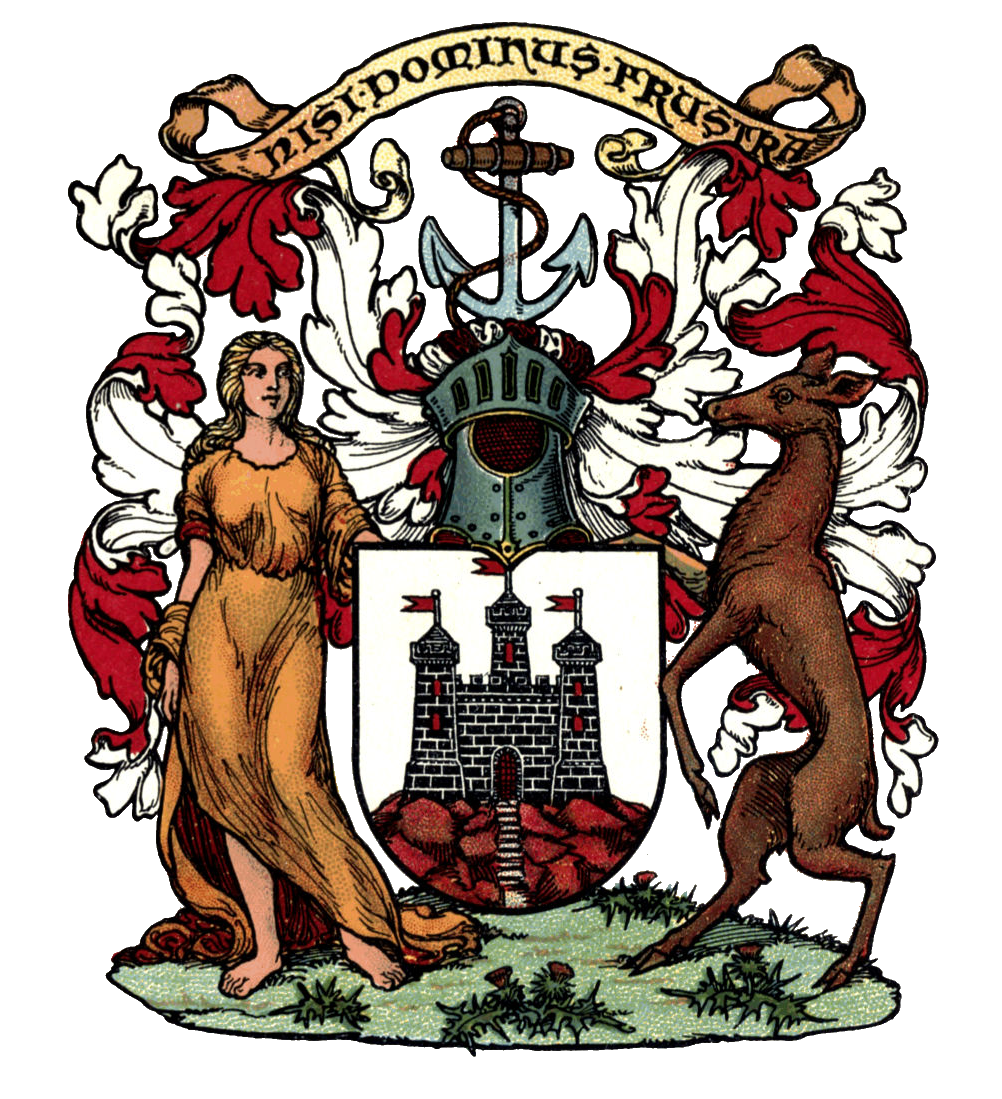




Geography and urban layout
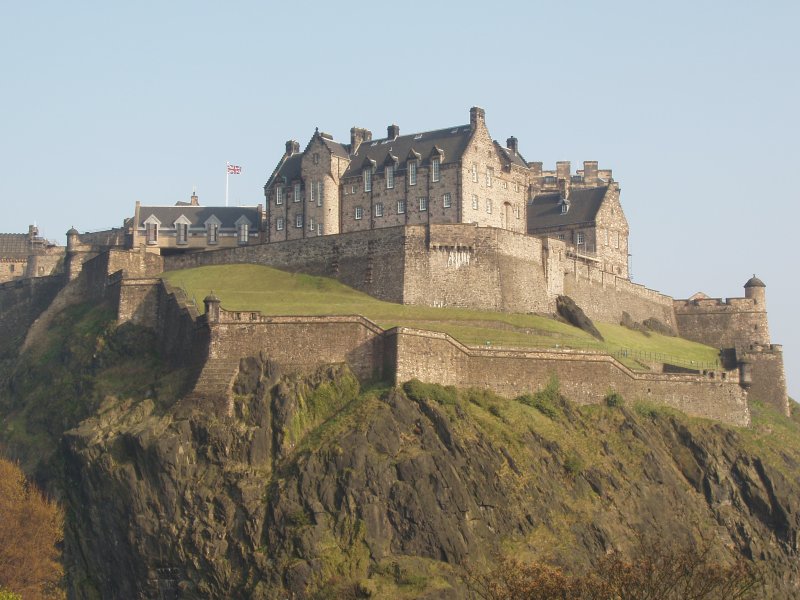
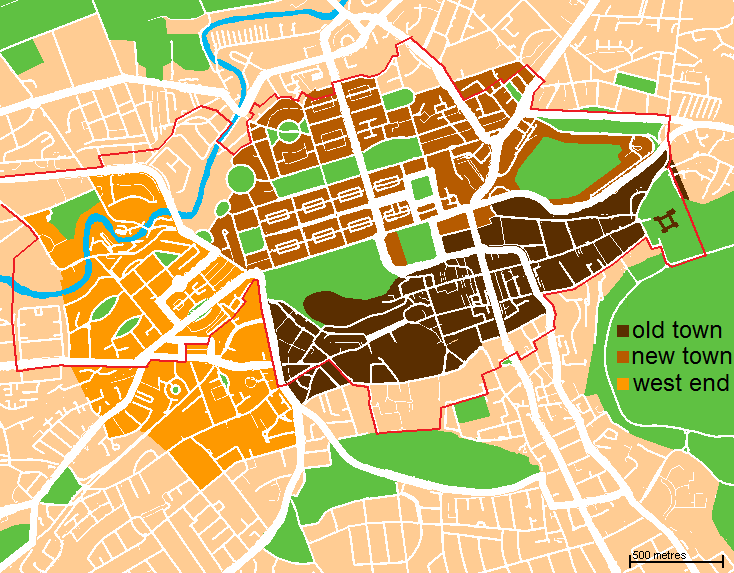
Edinburgh sits on the east coast where the estuary of the River Forth meets the North Sea. The urban core includes a string of hills and ridges that shape its streets and views, most famously the Castle Rock on which Edinburgh Castle stands. The city is traditionally divided into the Old Town, with narrow medieval streets and the Royal Mile, and the later New Town, a planned Georgian district with broad avenues and squares. These contrasting areas form the basis for the city's distinctive skyline and provide a compact walking city centre.
History and development
Edinburgh's origins reach back to early medieval settlements and earlier prehistoric occupation of nearby hills. Over centuries it grew as a royal and administrative centre, a commercial hub and, from the Enlightenment onward, as a centre for intellectual life. The Old and New Town together are recognised for their historic urban landscape and are protected for their architectural and historical significance. The city also developed industrial, financial and civic institutions that shaped modern Scotland.
Culture, festivals and institutions
Edinburgh is internationally known for its festivals. Each summer the city becomes a focal point for performance and visual arts: the Edinburgh International Festival and the Edinburgh Festival Fringe attract thousands of performers and audiences. The International Festival presents curated programmes of classical music, theatre and dance, while the Fringe hosts a wide range of experimental, comedy and fringe theatre shows. The main events traditionally take place in August and extend into September, with venues spread across the Old and New Towns. Military and ceremonial displays are also prominent: the annual military tattoo held at the castle features massed bands, drill displays and piping, continuing traditions associated with bagpipes.
Economy, education and transport
Edinburgh’s economy is diverse: higher education and research, financial services, government, tourism and creative industries all play significant roles. The city hosts several universities and colleges that attract a large student population and research activity. Transport connections include an international airport Edinburgh Airport, a central rail hub at Waverley and suburban links via stations such as Haymarket. These connections make the city accessible for business and festival visitors alike.
Notable facts and visitor information
Key sights include Edinburgh Castle, the Royal Mile, Holyrood Palace, the Scottish Parliament, and numerous museums and galleries. The contrast between medieval urban fabric and planned Georgian architecture is a defining characteristic; both areas receive substantial conservation attention and are popular with visitors. Practical visitor notes, tickets and schedules for events and transport are kept current by local authorities and tourism organisations; for official information consult local resources via general portals such as festival guides and specific pages for the International Festival. The city’s combination of history, cultural programming and natural scenery makes it a notable example of a compact European capital with strong cultural and academic influence.
- Historic centre: Old Town and Royal Mile.
- Planned district: Georgian New Town and squares.
- Major events: International Festival, Fringe, military tattoo.
- Transport hubs: airport, Waverley and Haymarket stations.
Name
The forelimb in the name Edinburgh is the Cumbrian word Eydin, the early medieval name of the region where Edinburgh now lies. As the original city name, Cumbrian Din Eydin "Castle of Eydin" can thus be inferred. The meaning of the landscape name Eydin is unknown. The Anglo-Saxons who invaded what was to become southern Scotland translated Cumbrian din with their equivalent burh, from which modern Edinburgh developed.
The city is often called "Athens of the North" (after a quote by Theodor Fontane), "City of the Seven Hills" or "Festival City". Sir Walter Scott called it My own romantic town. The nickname Auld Reekie "Old Smoky", which Edinburgh owed to its formerly constantly smoking factory chimneys, is outdated. Scottish emigrants carried Edinburgh's name around the world. Today it can be found in Indiana and - with the Gaelic name Dunedin - in New Zealand and Florida.
Geography
Edinburgh area
Only about 15 km to the northwest, the Forth Bridge spans the Firth of Forth. 10 km east of the city is Portobello (Edinburgh) beach. In front of the Pentland Hills is Fairmilehead, the southernmost and highest district of Edinburgh.
Climate
| Edinburgh | ||||||||||||||||||||||||||||||||||||||||||||||||
| Climate diagram | ||||||||||||||||||||||||||||||||||||||||||||||||
| ||||||||||||||||||||||||||||||||||||||||||||||||
| Monthly average temperatures and precipitation for Edinburgh
Source: WMO | ||||||||||||||||||||||||||||||||||||||||||||||||||||||||||||||||||||||||||||||||||||||||||||||||||||||||||||||||||||||||||||||||||||||||||||||||||||||||||||||||||||||||||||||||||||||||||||||||
Questions and answers
Q: What is Edinburgh?
A: Edinburgh is the capital city and second largest city in Scotland.
Q: Where is Edinburgh located?
A: Edinburgh is located on the east coast of Scotland, where the River Forth flows into the sea.
Q: What is at the central part of Edinburgh?
A: The central part of Edinburgh is Edinburgh Castle, which sits atop a steep hill.
Q: What is the military display at Edinburgh Castle called?
A: The military display at Edinburgh Castle is called a tattoo, where soldiers demonstrate their skills at marching and competitions, and there are brass bands and bands of bagpipes.
Q: What is the Edinburgh International Festival?
A: The Edinburgh International Festival is a very large festival that takes place in August and September every year, where thousands of performers come to put on shows.
Q: What is the Edinburgh Fringe?
A: The Edinburgh Fringe takes place at the same time as the Edinburgh International Festival and is a festival where shows of all kinds are put on, ranging from large ones with famous people to very small ones by new or unknown actors.
Q: How is Edinburgh served for transportation?
A: Edinburgh is served by Edinburgh Airport, Haymarket and Waverley railway stations.
Related articles
Author
AlegsaOnline.com Edinburgh: Scotland’s capital, landscape, history and festivals Leandro Alegsa
URL: https://en.alegsaonline.com/art/30143