
Ballet: classical and contemporary dance — technique, history, and repertoire
Ballet is a formal theatrical dance with codified technique, a history from Renaissance courts to modern companies, and a repertory of classical and contemporary works performed to music.
Overview
Ballet is a performing art and a highly codified form of dance developed to tell stories, evoke emotions, and explore abstract ideas through movement. Traditionally practiced by dancers who undergo specialized instruction, ballet combines precise technique, musicality, and theatrical presentation. It is most often presented by professional companies on stage in opera houses and theatres, where choreography, staging and costume all contribute to the audience experience.
Image gallery
10 Images




Technique and structure
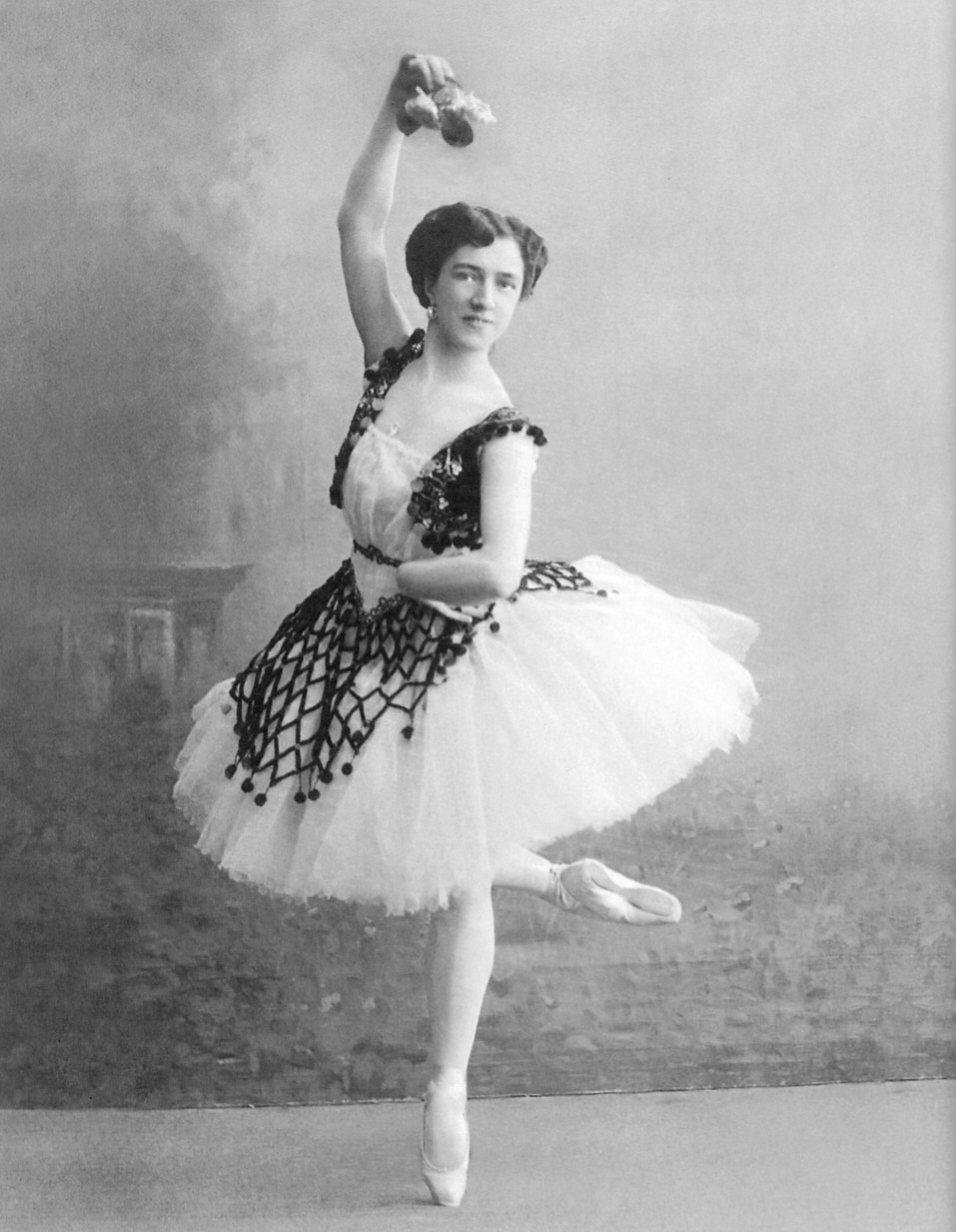
At its core, ballet relies on a defined vocabulary of positions, steps and gestures. Key elements include turnout (external rotation of the legs), pointe work (dancing on the tips of specially reinforced shoes), alignment and line, and a small set of classical steps such as plié, développé, pirouette and arabesque. Training emphasizes flexibility, strength, balance and musical timing.
- Ensemble roles: corps de ballet (the group), soloists, and principals.
- Instruction and rehearsal: classes, variations, and rehearsals led by a ballet master or mistress.
- Performance elements: choreography, mime and dramatic expression are used to communicate narrative or mood.
History and development
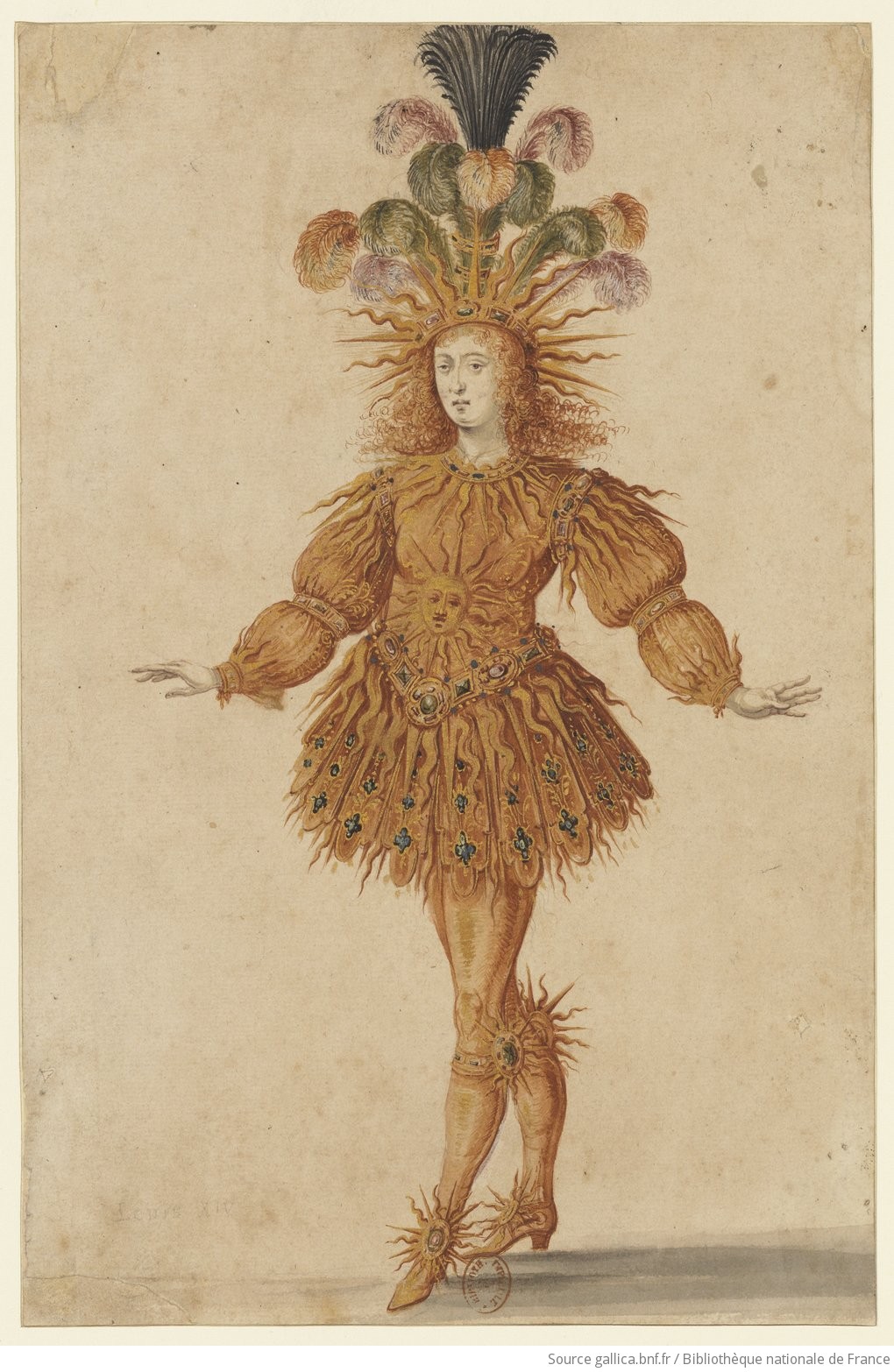
The art form traces early antecedents to court dances of the Italian Renaissance and to choreographic notes such as those associated with early dance masters; one of the earliest named sources in Western dance history is the writing of Domenico da Piacenza, who is cited as an early reference for structured dance practice. Ballet later flourished at royal courts in France and developed into a theatrical form supported by institutions and academies. Over subsequent centuries it evolved through the Romantic era—marked by ethereal themes and pointe work—to the grand classical ballets of the 19th century and further into neoclassical and contemporary movements in the 20th and 21st centuries.
Training, choreography and performance
Prospective dancers typically begin training as children, progressing through graded schools and conservatoires before entering company life. Many companies maintain an apprenticeship ladder from corps member to soloist to principal. A choreographer creates the dance, and a ballet master or mistress teaches and refines the movement; theatrical mime and pantomime may also be used to clarify plot or character. Ballet is always closely allied with music—scores are often commissioned for new works or adapted from existing compositions—and performances are staged in formal venues to reach audiences of varying sizes.
For further reading on the craft of choreography see choreography, and for background on theatrical mime used in ballet consult mime traditions. Information about formal training systems is available via resources on ballet education, while typical performance venues are described under theatre presentation.
Repertoire, styles and notable works
Classical repertoire includes enduring titles such as Swan Lake, Giselle and Sleeping Beauty, which showcase narrative structure, grand pas and iconic role types. The music for many classics—especially the ballets by Pyotr Ilyich Tchaikovsky—remains central to their popularity. Seasonal productions, especially The Nutcracker, are cultural fixtures in many countries. 20th-century innovators developed neoclassical and contemporary vocabularies, expanding the range of movement, partnering and staging while retaining ballet’s emphasis on line and technique.
Significance and distinctions
Ballet has influenced other dance genres, film, fashion and visual arts. Distinct national schools—French, Italian, Russian (including Vaganova tradition), British and American styles—offer variations in training emphasis, port de bras and performance aesthetics. Whether experienced as a classical spectacle, an abstract contemporary piece, or a hybrid collaboration, ballet remains a central and evolving discipline within the performing arts.
For general orientation, see introductory links on the form: what is ballet, the role of music in dance, and historical references such as early dance sources.
Questions and answers
Q: What is ballet?
A: Ballet is a type of dance that is only performed by specially trained dancers who are employed by a dance company and perform in theatres.
Q: When was the first reference to ballet found?
A: The first reference to ballet was found in a work of Domenico da Piacenza, who lived in the early 14th century.
Q: What does ballet involve?
A: Ballet involves the creation of the dance itself, often a type of imaginary story that is told with the help of dance and mime.
Q: What is the creation of a dance called?
A: The creation of a dance is called choreography.
Q: Who supervises the learning of choreography by dancers?
A: The learning of choreography by dancers is supervised by a trainer, called a ballet master or mistress.
Q: Is music always present during a ballet performance?
A: Yes, ballet is always performed to music, and in many cases, the music was specially composed for a particular ballet.
Q: Can you give an example of a popular ballet?
A: The Nutcracker is a popular example of a ballet.
Tags
Related articles
Author
AlegsaOnline.com Ballet: classical and contemporary dance — technique, history, and repertoire Leandro Alegsa
URL: https://en.alegsaonline.com/art/8542
Sources
- ccs.neu.edu : "Dancing Online, History of Ballet"
- nytimes.com : "In quest of that singular quality known as style,"