
Edinburgh Castle: history, features, and cultural significance
Fortress and landmark on Castle Rock in central Edinburgh, housing historic buildings, Scotland's Crown Jewels, and an annual military tattoo. A focal point of Scottish history and tourism.
Overview
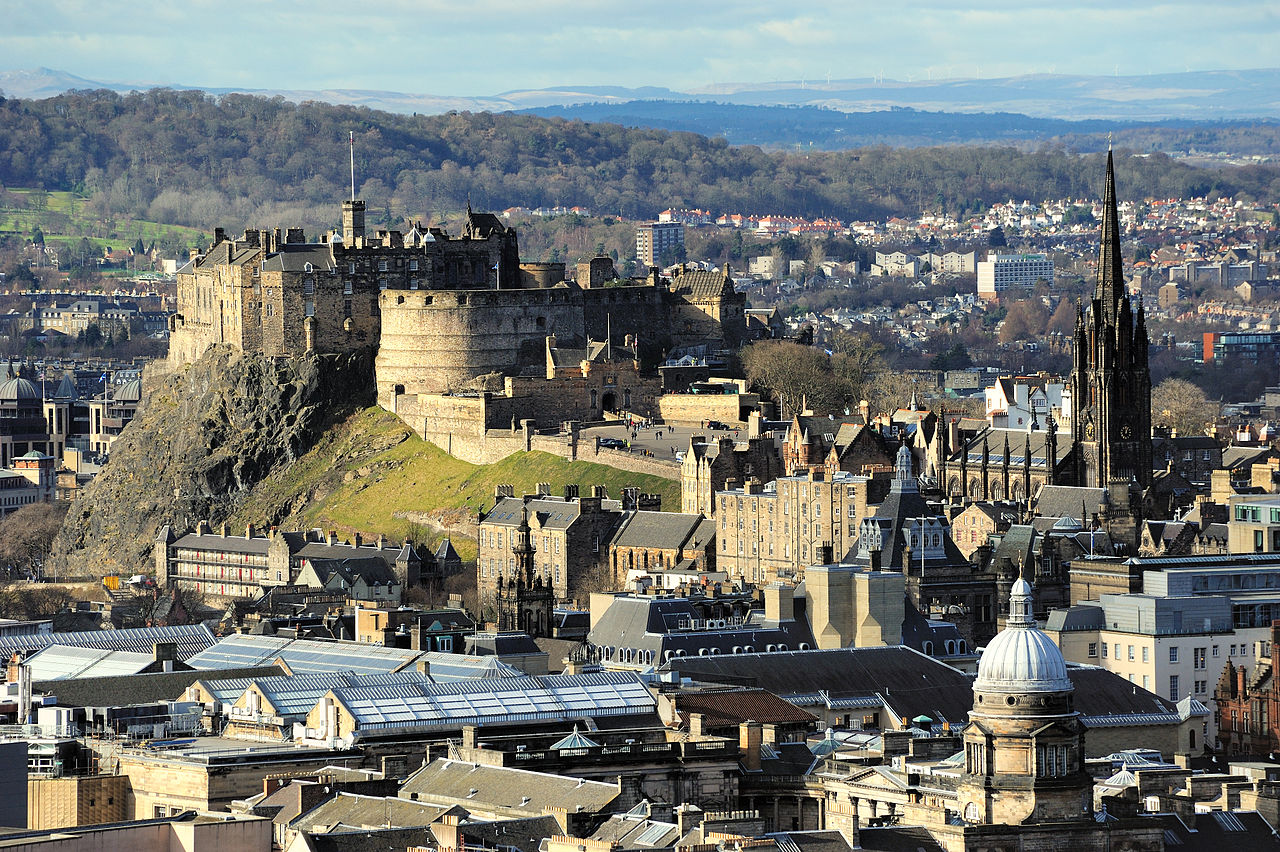
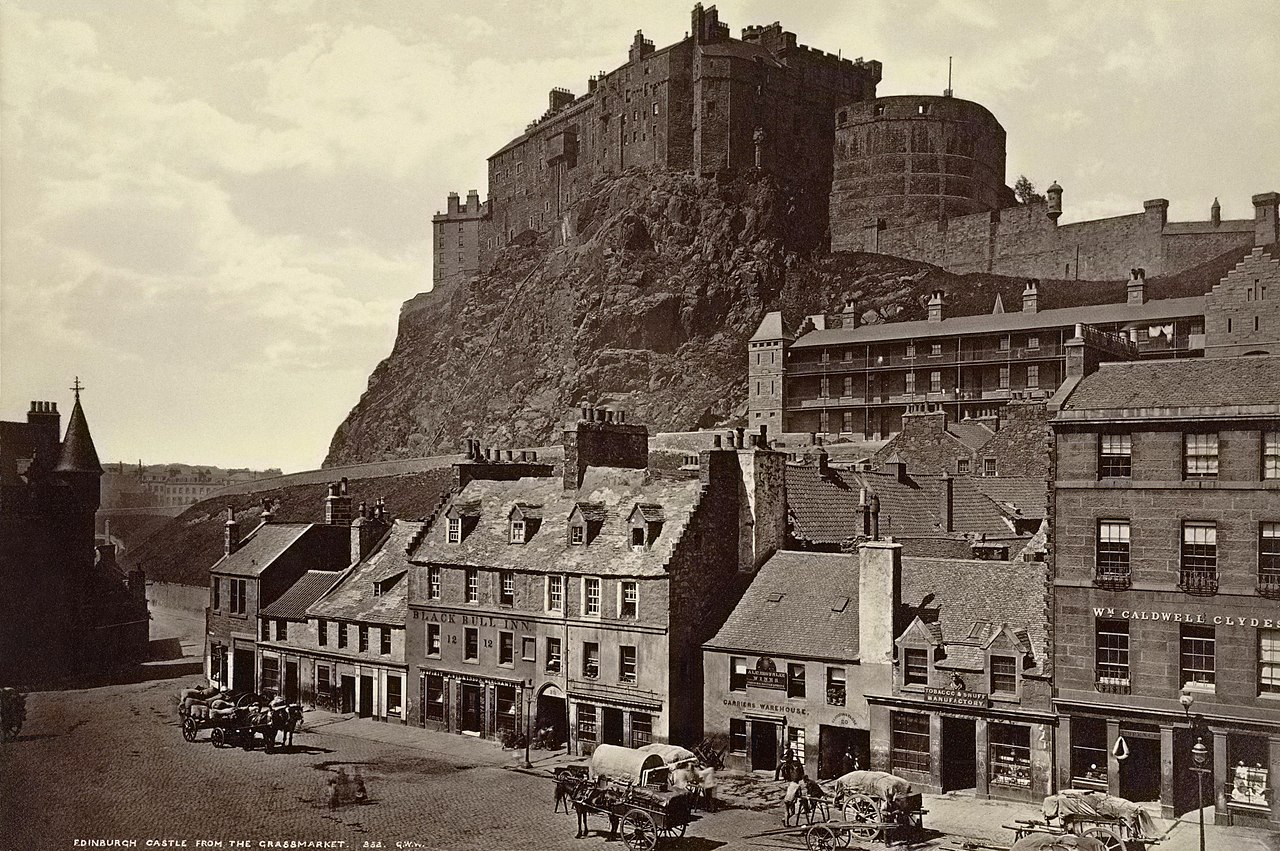
Edinburgh Castle dominates the skyline of Scotland's capital from its perch on Castle Rock, a volcanic plug in the centre of the city. The fortress has occupied this strategic position for many centuries and is one of the most recognisable symbols of Edinburgh. Its compact group of buildings, ramparts and museums forms a cultural and historical focus for visitors and residents alike.
Image gallery
10 Images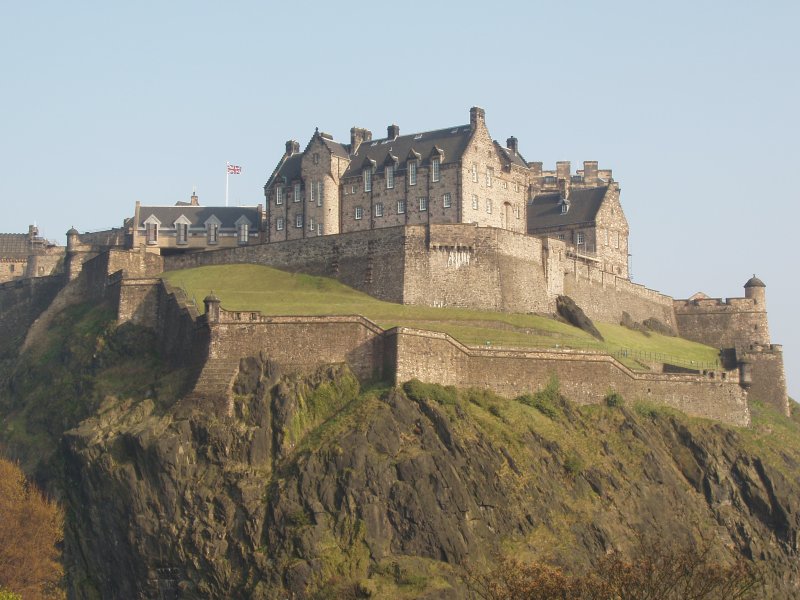




Key parts and characteristics
The castle complex includes several distinct structures: the Royal Palace, the medieval Great Hall, defensive walls and towers, and the chapel of St Margaret, which is the oldest surviving building on the site. The castle also safeguards national regalia such as the Honours of Scotland (the Scottish Crown Jewels) and the historic Stone of Destiny when it is on public display. Military museums and regimental memorials reflect the site's long association with Scotland's armed forces.
History and development
Occupation of Castle Rock dates back to prehistoric times; the castle's role evolved from a fortified stronghold to a royal residence and military garrison. Over the centuries it was besieged, rebuilt and adapted to changing military technology and political circumstances. Many of the visible buildings date from the medieval and early modern periods, with later additions for defence and public presentation. The layered architecture illustrates Scotland's turbulent past and its links with the British Crown.
Visitor attractions and uses
Today the site functions as a museum and visitor attraction, offering displays on the castle's history, weaponry and regiments, as well as guided routes through ceremonial rooms. Tours commonly highlight the Crown Jewels and the Stone of Destiny, the panoramic views from the battlements over the city, and the atmospheric medieval chapel. Practical visitor information and events schedules can be found through official channels such as city and tourism resources and heritage services represented online by institutional pages like national and local partners.
Events, traditions and cultural role
The castle hosts ceremonial events and is the focal point for annual occasions. Its esplanade is famous for the Edinburgh Military Tattoo, a spectacle of marching bands, pipes and drums, and military displays that attracts international audiences each summer. The castle's role in state ceremonies, commemorations and public celebrations underlines its continuing symbolic importance to Scotland and the wider United Kingdom; more information about staged events appears on official event pages such as event listings.
Notable distinctions
- Strategic location on a volcanic rock gives it natural defences and prominent visibility.
- Contains some of Scotland's most treasured historical artefacts and buildings.
- Serves both as a working military site (ceremonial and museum functions) and a major tourist destination.
As a historic fortress that remains part of contemporary civic life, Edinburgh Castle links archaeology, monarchy, military history and public heritage in a compact, highly visited complex at the heart of Scotland's capital.
Related articles
Author
AlegsaOnline.com Edinburgh Castle: history, features, and cultural significance Leandro Alegsa
URL: https://en.alegsaonline.com/art/30138