
Crystal: solids with ordered atomic structure and their formation
A crystal is a solid whose atoms or molecules form a repeating, three-dimensional pattern. This article explains how crystals form, common structures, examples, uses, and how they differ from non-crystalline solids.
Overview
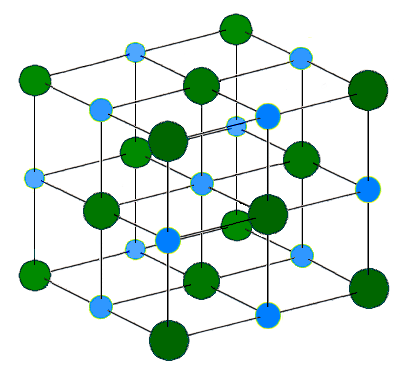
A crystal is a type of solid in which atoms, ions or molecules are arranged in a regular, repeating pattern that extends in three dimensions. This long-range order distinguishes crystals from amorphous solids, which lack a periodic arrangement. The scientific study of crystal structure and symmetry is known as crystallography, and it provides the language and methods used to describe unit cells, lattices and defects.
Image gallery
10 Images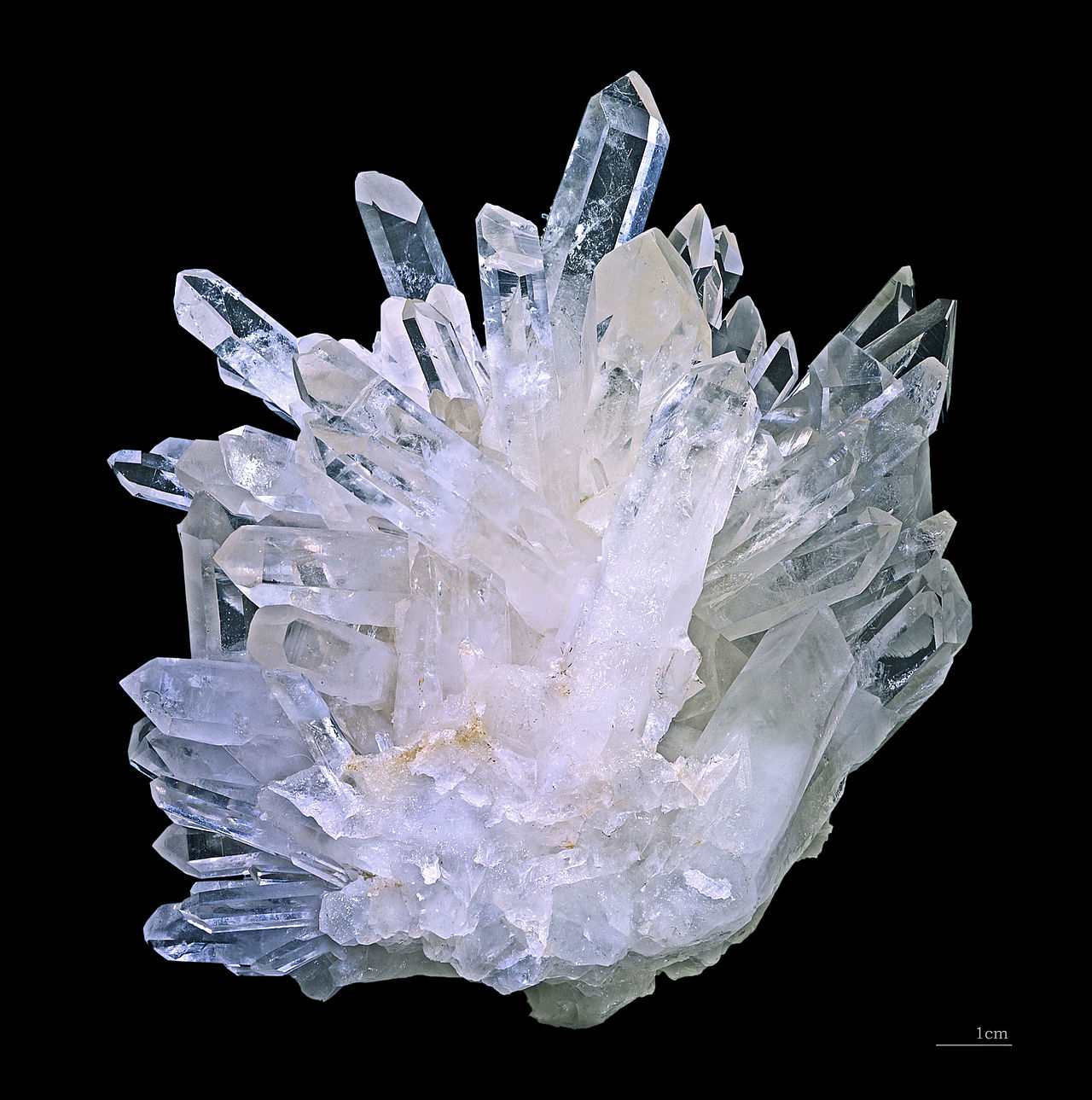




How crystals form
Crystals grow when a substance leaves a disordered state and adopts an ordered arrangement in a process called crystallization. Crystallization is a kind of phase change and most commonly happens from a liquid or from a gas. For instance, in the atmosphere, water vapor condenses and freezes to make snow: water molecules form ice crystals as they move from vapor to solid, a process that involves snow formation and the creation of ice. The vapor that supplies those crystals is water vapor, which in many contexts has come from evaporated water. Another common route to crystallization is freezing of a pure fluid or the slow evaporation of a solvent from a solution.
Temperature, pressure and special conditions
Some crystals require more extreme conditions. Elevated heat and pressure deep within Earth form minerals that do not appear at the surface. Diamond is a widely known example: pure carbon atoms bond in a rigid tetrahedral network to make the diamond crystal under high pressure and temperature. Crystals may form naturally in geological settings or be grown artificially in laboratories and industry for specific properties.
Structure, facets and appearance
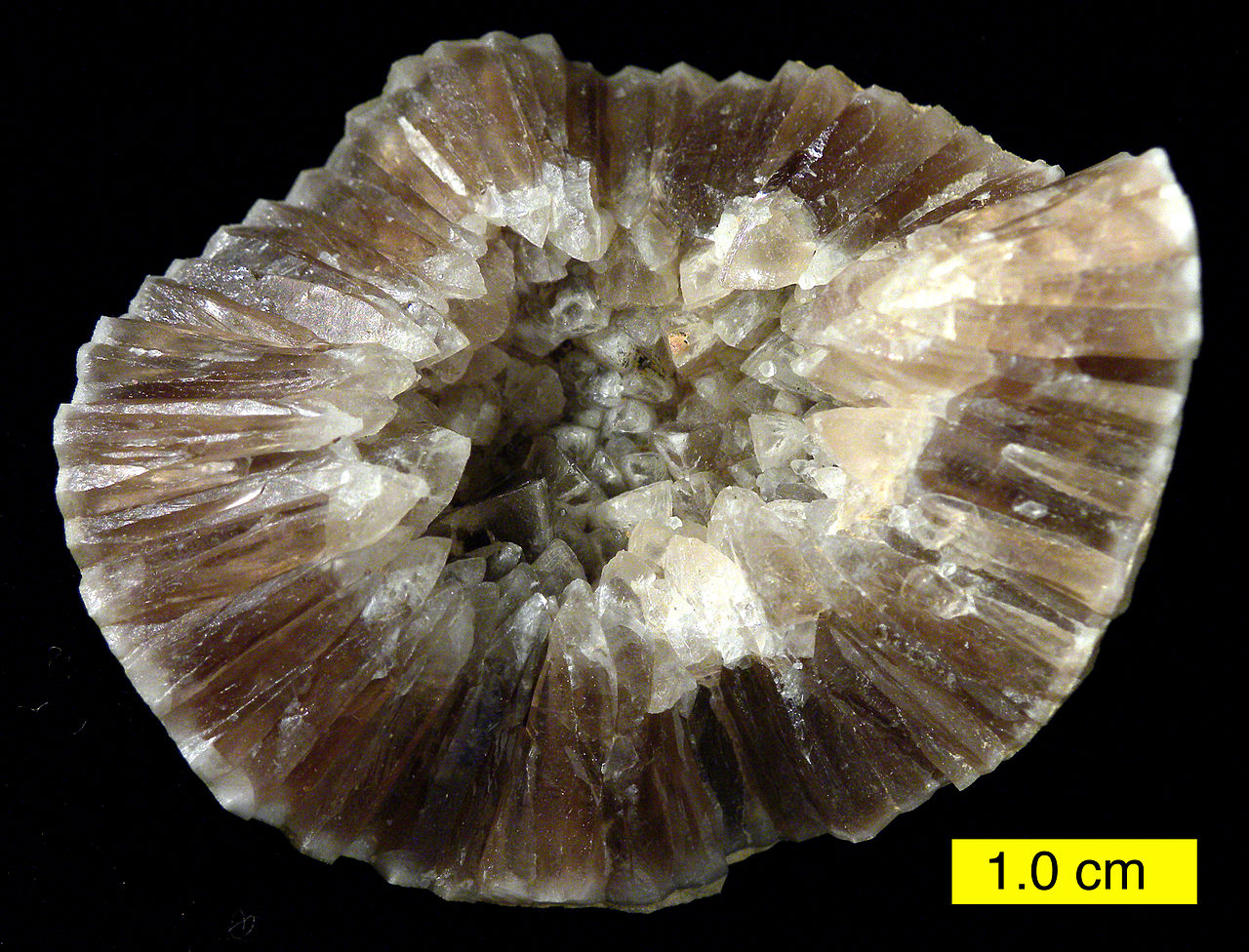
The external shapes of crystals often display flat faces called facets. These facets arise because certain atomic layers are energetically stable and grow more slowly, producing planar surfaces. At the atomic scale the arrangement on a facet can resemble regular patterns—sometimes likened to a chess board or a honeycomb—and those patterns interact with light to create characteristic luster and sparkle. Gem cutting can produce artificial facets to enhance optical effects by grinding and polishing the crystal surface.
Common types and examples
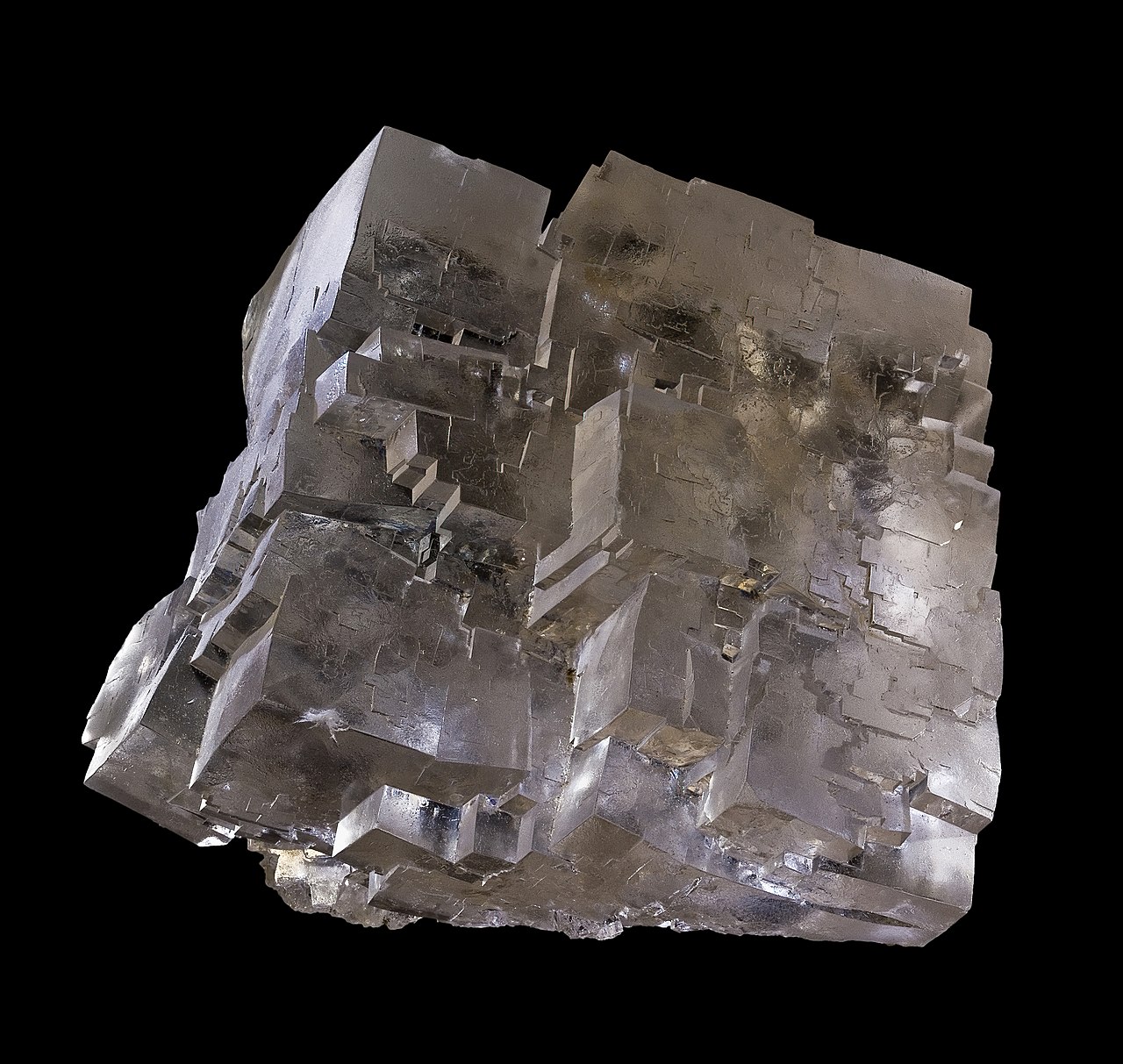
Different chemical compositions and bonding types yield different crystal systems and habits. Simple ionic salts like table salt form cubic crystals—sodium chloride commonly displays roughly cubic blocks—so familiar examples include table salt with its characteristic cube-like form. Silicate minerals such as quartz form more complex trigonal or hexagonal arrangements. Metals, semiconductors and many inorganic and organic compounds also crystallize and are classified by symmetry and unit-cell geometry in crystallography.
Uses, importance and notable distinctions
- Technology: Single crystals of semiconductors and optical materials are crucial in electronics, lasers and photonics.
- Industry: Controlled crystallization is central to pharmaceuticals, metallurgy and chemical production.
- Geology and gemology: Crystal forms help identify minerals and determine formation histories.
- Contrast with amorphous solids: Glasses and many polymers lack the periodic order of crystals and often exhibit different mechanical and optical behavior.
- Study tools: X-ray diffraction, electron microscopy and spectroscopy are standard methods to analyze crystal structure and defects.
For further reading and visual references, specialized resources and databases introduced by academic and industrial groups provide crystal structures and phase diagrams; introductory texts in solid-state chemistry and materials science explain how atomic arrangement produces macroscopic properties. See also broader discussions in sources on physical chemistry and mineralogy for extended context via solid-state references and technical overviews (molecular perspectives and crystallization procedures). Additional practical guides cover snow and ice physics (snow, ice), laboratory growth techniques (freezing, controlled evaporation) and industrial processes that use heat and pressure. For examples of materials and structures, see entries on diamond, carbon allotropes, common minerals like quartz and salts such as sodium chloride (cubic forms). Practical analogies to atomic patterns include simple tilings such as a chess grid or honeycomb, while technical literature is rooted in crystallography. The microscopic ordering in crystals underlies much of modern materials science and everyday phenomena from gemstone brilliance to snowflake geometry.
Related articles
Author
AlegsaOnline.com Crystal: solids with ordered atomic structure and their formation Leandro Alegsa
URL: https://en.alegsaonline.com/art/24479