
Curing (polymer chemistry)
Curing is the chemical process that creates crosslinks in polymers, turning soft or liquid formulations into solid, durable networks. Methods include heat, catalysts, moisture and radiation.
Overview
In chemistry curing describes the set of reactions that join polymer chains into a permanently connected network. The process converts a viscous liquid or soft mass into a rigid or elastomeric solid by forming chemical crosslinks between polymers. When the procedure is applied specifically to natural or synthetic rubber, it is commonly called vulcanization, though the broader term "curing" covers many material classes.
Image gallery
2 Images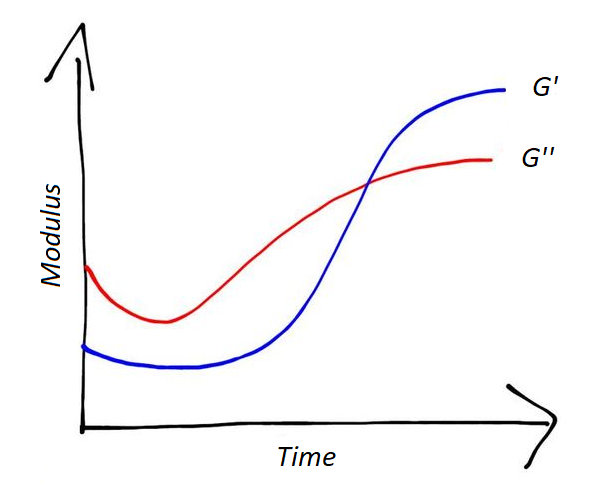
Mechanisms and methods
Curing can proceed by different mechanisms depending on chemistry and application. Typical driving forces are elevated temperature, chemical crosslinking agents, catalysts or initiators, moisture, or electromagnetic radiation (UV, electron beam). The reactions that create crosslinks include addition reactions, condensation, free‑radical polymerization, and ionic processes. Control of cure rate and temperature is important to avoid defects such as incomplete cure or excessive exotherm.
Common materials and examples
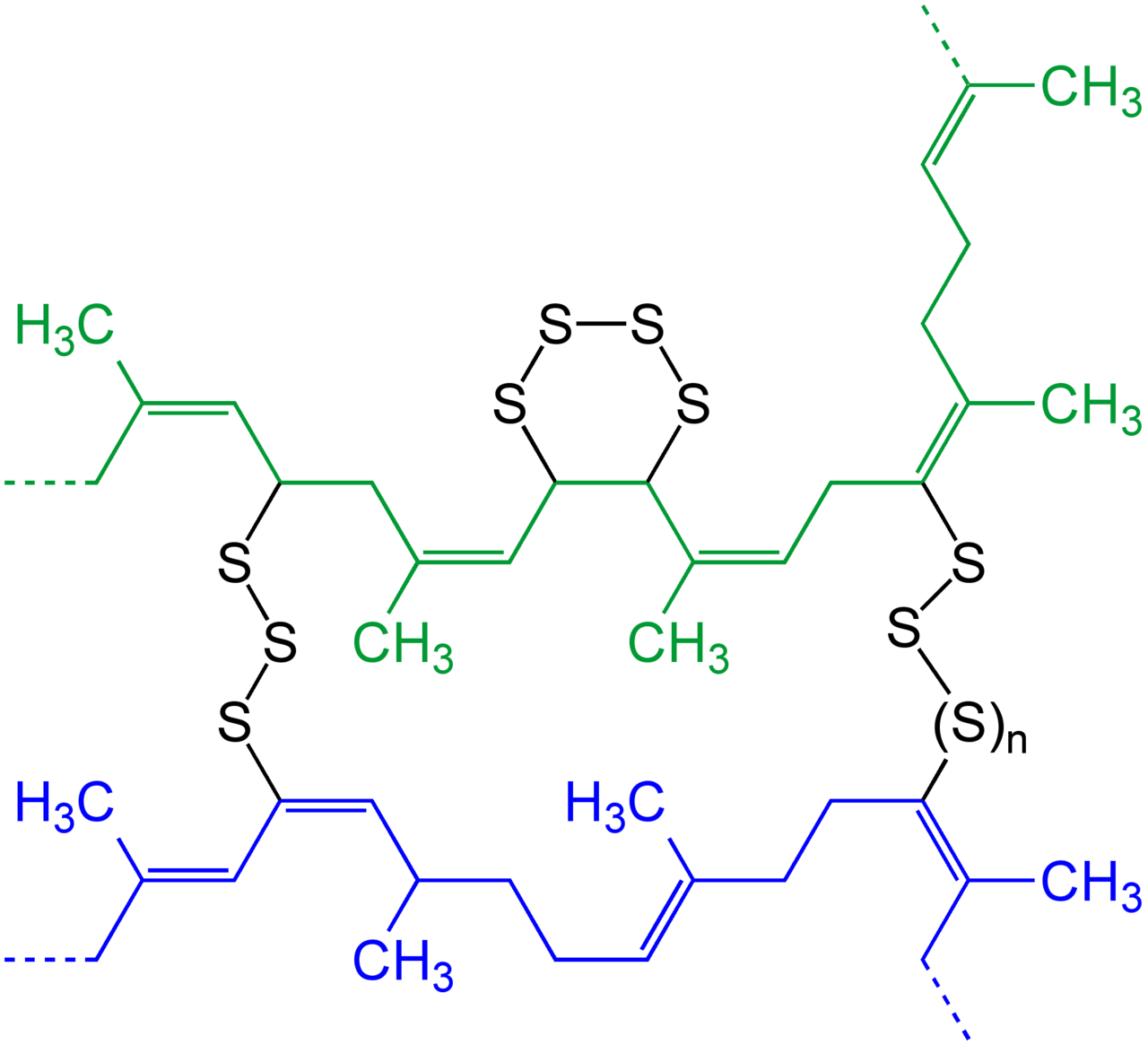
Many polymer systems are cured commercially. Epoxy resins are cured with amines or anhydrides to make hard thermosets used in coatings and composites. Unsaturated polyesters and vinyl esters cure via peroxide‑initiated free radicals. Two‑component polyurethanes crosslink through isocyanate chemistry, while silicones may cure by moisture or platinum catalysis. Rubber vulcanization typically uses sulfur or peroxides to create the flexible, elastic network used in tires and seals.
Applications and importance
Curing enables a wide range of products: structural composites, protective coatings, adhesives and sealants, electrical potting compounds, molded parts, and cured inks. The process determines final properties such as hardness, elasticity, chemical resistance, and thermal stability, so formulation and curing conditions are chosen to match performance requirements for each application.
History and technical distinctions
The concept of chemically stabilizing polymers predates modern polymer science; vulcanization of rubber was a landmark development in the nineteenth century. In contemporary practice, "curing" refers broadly to crosslinking and solidification, while "polymerization" often denotes the formation of linear chains from monomers. Both steps may occur together or sequentially in a formulation.
Testing, control and safety
Manufacturers monitor degree of cure by techniques such as differential scanning calorimetry, rheology, and solvent swelling tests. Practical considerations include shelf life of uncured mixtures, need for proper ventilation to manage volatile byproducts, and thermal management to avoid runaway exotherms during thick or fast cures. Appropriate handling and curing protocols ensure predictable performance and safety.
Related articles
Author
AlegsaOnline.com Curing (polymer chemistry) Leandro Alegsa
URL: https://en.alegsaonline.com/art/24699