
Water vapor: properties, formation, and role in weather and climate
Water vapor is the gaseous phase of water. This article explains how it forms, its physical properties, role in the water cycle and climate, and everyday and technological importance.
Water vapor is the gaseous phase of water. Unlike liquid water or ice, water vapor is invisible to the eye; what we often call steam or visible mist are tiny liquid droplets or aerosols suspended in air. The term describes water molecules dispersed as a gas, and it is a dynamic component of the global water cycle that moves between surface reservoirs and the atmosphere.
Image gallery
9 Images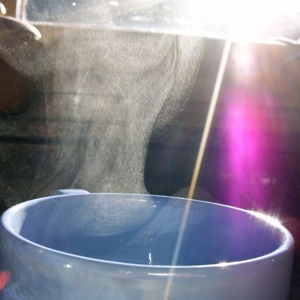



How it forms
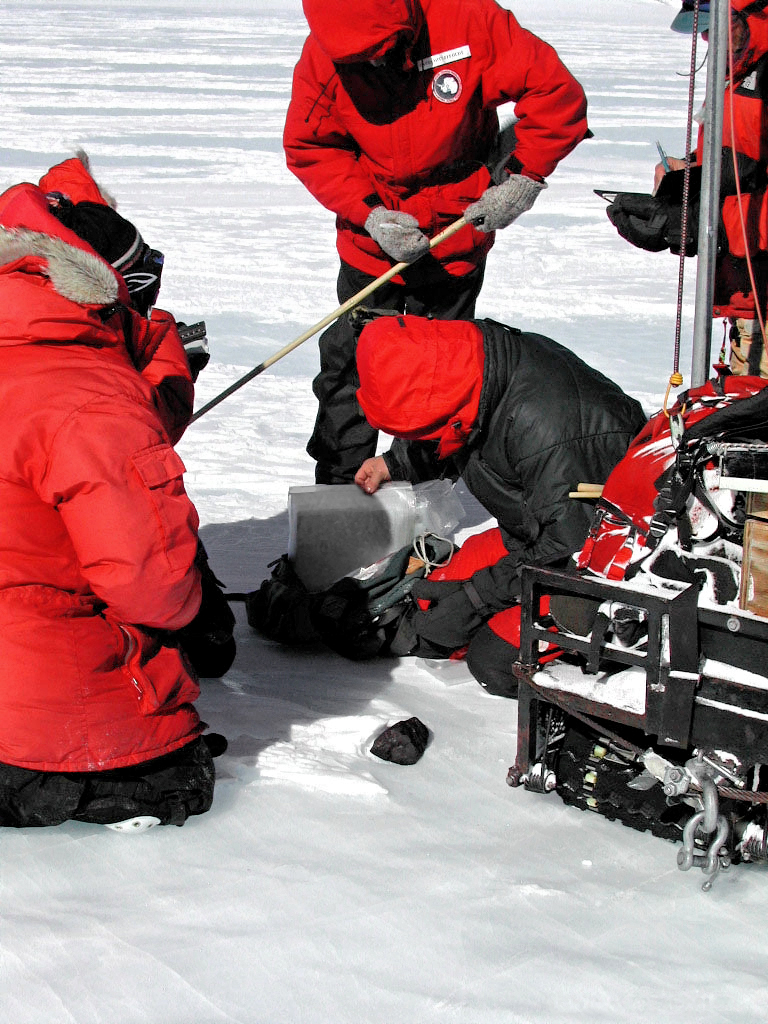
Water vapor is produced whenever water changes phase into the gaseous state. Common processes include evaporation from open surfaces, boiling at the boiling point of water, and direct conversion from solid to gas in a process called sublimation (for example, ice turning directly into vapor). Even at temperatures below the boiling point, molecules at the surface of a liquid can gain enough energy to enter the air as vapor. Sublimation from ice or snow is important in cold, dry climates.
Physical characteristics
As a gas, water vapor has several distinctive properties. Its molecular mass is lower than that of dry air, so moist air is often less dense than dry air at the same temperature and pressure. Water vapor is transparent and becomes visible only when it cools and condenses into tiny liquid droplets or freezes into ice crystals. The phase change processes involve significant energy exchange: evaporation absorbs heat from the surroundings (cooling effect) while condensation releases heat (latent heat), which plays a major role in atmospheric dynamics.
Role in weather, climate, and the environment
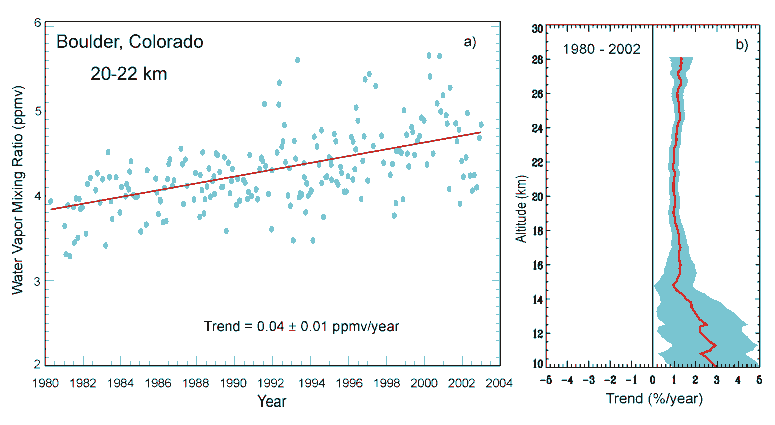
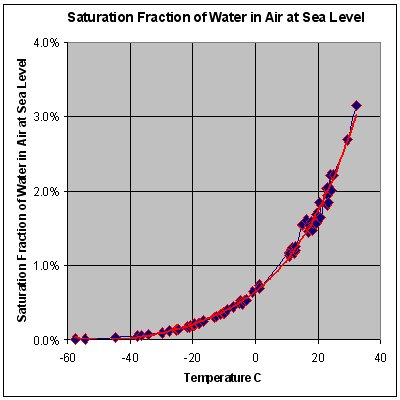
Water vapor strongly influences weather and climate. The atmospheric moisture content—commonly referred to as humidity—affects cloud formation, precipitation, and the intensity of storms because condensation releases latent heat that can power convection. Water vapor is also a potent natural greenhouse gas: it contributes to trapping heat in the atmosphere, amplifying temperature changes caused by other greenhouse gases. Local conditions such as temperature and air pressure determine how much vapor air can hold; excess vapor condenses to form clouds (clouds) and fog.
- Common manifestations: evaporation, boiling, condensation, sublimation.
- Meteorological measures: relative humidity, absolute humidity, and dew point.
- Visible vs. invisible: visible mist or cloud droplets are liquid; pure vapor remains unseen.
In everyday life and technology, water vapor is important in steam engines, heating systems, sterilization, and distillation. Human respiration releases warm, moisture-laden air that can condense and freeze in very cold air, producing visible breath. In aviation and aeronautics, increased humidity slightly changes air density and can affect lift and aircraft performance. Practical measurement of atmospheric moisture is done with instruments such as hygrometers and by calculating the dew point to predict condensation and precipitation.
Understanding water vapor and its behavior helps explain many natural phenomena and human applications. Its central role in transferring heat and moisture links local conditions to larger-scale climate patterns, while the daily processes of evaporation and condensation keep the water cycle in motion. For further background on basic terms and phase changes, see entries on form, boiling point, and the physics of sublimation.
Related articles
Author
AlegsaOnline.com Water vapor: properties, formation, and role in weather and climate Leandro Alegsa
URL: https://en.alegsaonline.com/art/106824