
Cucumber (Cucumis sativus)
Cucumber (Cucumis sativus) is a widely cultivated gourd grown for its crisp, hydrating fruits. Used fresh, pickled, or cooked, it has culinary, horticultural and cosmetic roles across many cultures.
Overview
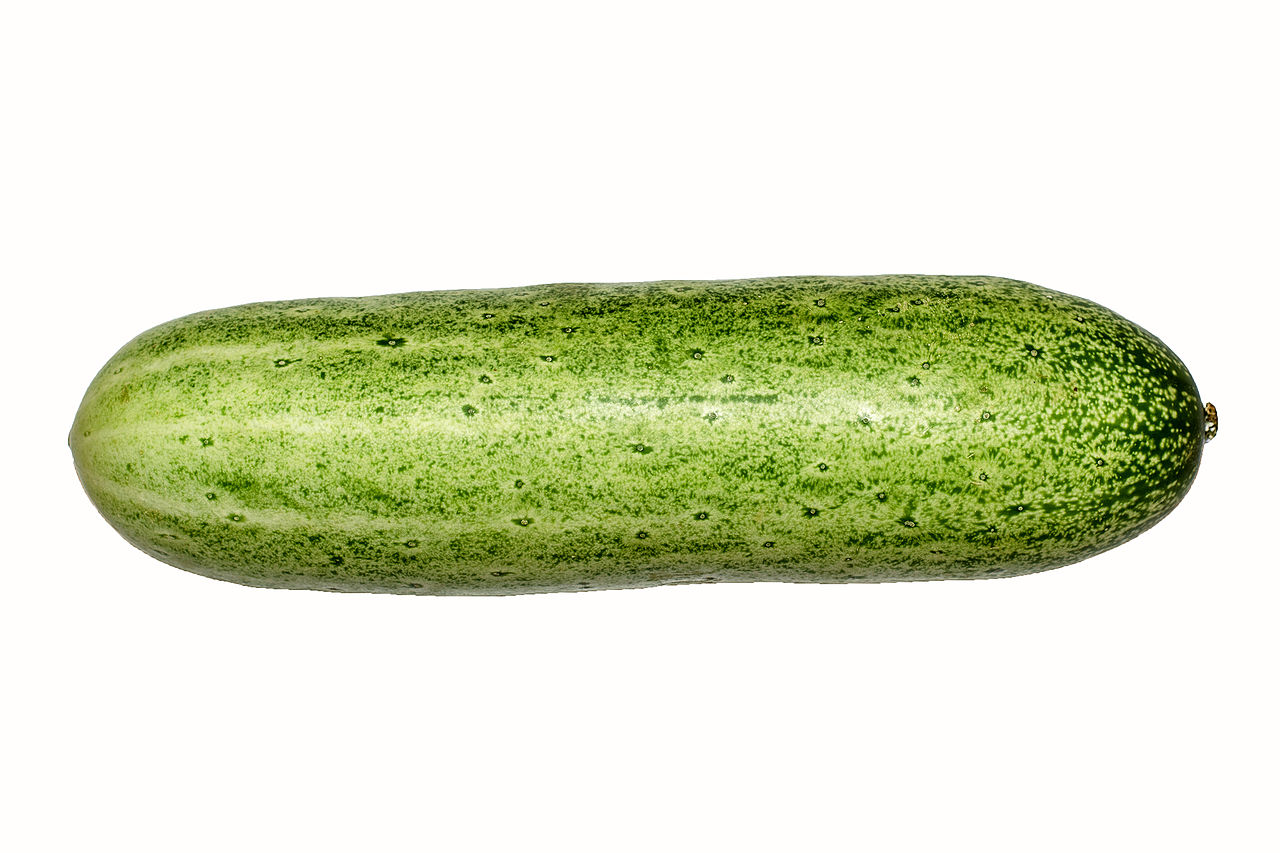
The cucumber (Cucumis sativus) is a common edible plant in the gourd family, Cucurbitaceae, related to squash and melons. Botanically it is a fruit—developing from the flower and containing seeds—but it is usually treated as a vegetable in kitchens. Cucumbers are mainly valued for their cool, watery flesh and thin skin; their appearance can be compared to other summer gourds such as zucchini (zucchini, called courgette in British English).
Image gallery
10 Images


Botanical characteristics
Cucumber plants are typically annual vines with tendrils that climb or sprawl. They produce separate male and female flowers on the same plant, and the fruit is a type of pepo—an oblong, fleshy structure that contains numerous small seeds. There are many cultivated types, often grouped by their intended use:
- Slicing cucumbers: larger, with thicker flesh for fresh eating.
- Pickling cucumbers: shorter, firmer, and suited for brining and fermentation.
- Greenhouse or ‘‘English’’ cucumbers: long, slim, often sold wrapped and usually milder with fewer seeds.
History and distribution
Cucumbers have a long history of cultivation, originating in parts of Asia and spreading to the Mediterranean and beyond. Over centuries they were selected for different climates and culinary preferences; today they are grown worldwide in home gardens, open fields and controlled greenhouses.
Cultivation
They are warm-season crops that prefer well-drained soil, regular moisture and full sun. Many gardeners trellis vines to save space and improve air circulation. Pollination is typically performed by bees; without it, fruit set can be poor. Commercial growers manage pests and diseases such as powdery mildew and viral infections and often select hybrid varieties for resistance and steadier yields.
Culinary and other uses
Cucumbers are eaten raw in salads, sandwiches, and chilled soups and are a key ingredient in recipes such as tzatziki and various summer salads. They are commonly preserved through pickling for long-term storage. Hollowed cucumbers can be filled with other ingredients, for example tomatoes tomatoes or crumbled feta feta cheese, and are also used in beverages and spa treatments owing to their high water content and cooling sensation.
Distinctions and notable facts
Although often treated as a vegetable in cooking, the cucumber’s botanical status is that of a fruit. Varietal differences determine whether a cucumber is best eaten fresh or processed. Nutritionally it's low in calories and mostly water, making it a hydrating food rather than a dense nutrient source. In pickling and culinary contexts, you may also encounter the term "gherkin" for certain small pickled forms.
Related articles
Author
AlegsaOnline.com Cucumber (Cucumis sativus) Leandro Alegsa
URL: https://en.alegsaonline.com/art/24540