
Cucurbitaceae — the gourd family of cucumbers, squashes, melons and more
Cucurbitaceae, the gourd or cucurbit family, comprises many vining plants cultivated for fruits, seeds and fiber, including cucumbers, squashes, pumpkins, melons, luffas and watermelons.
Overview
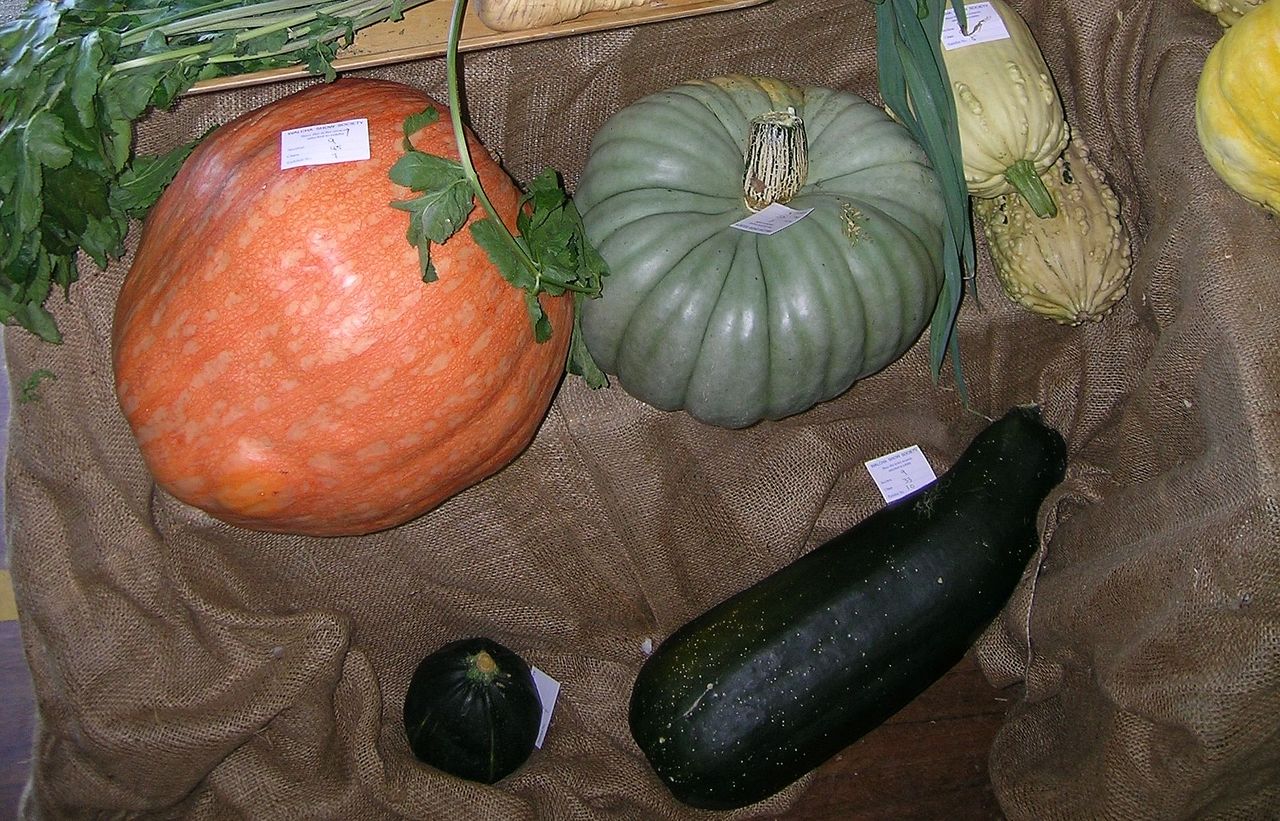
The Cucurbitaceae are a widespread plant family commonly called the gourd or cucurbit family. It includes dozens of genera and hundreds of species, many of which produce fleshy, many-seeded fruits that are important as food and material resources. Familiar group names include gourds and melons, and cultivated crops from this family are grown worldwide.
Image gallery
5 Images


Key characteristics
Most cucurbit species are herbaceous vines with spiral tendrils used for climbing, but members also include shrubs and lianas. Leaves are usually alternate and often lobed or palmately divided. Flowers are typically unisexual (separate male and female flowers on the same plant or on separate plants), often showy, and commonly pollinated by bees and other insects. The typical fruit is a pepo: a fleshy interior with numerous seeds and, in many species, a firm rind.
Major crops and genera
Several economically important genera occur in the family. The genus Cucumis contains the cucumber and many melons; Cucurbita includes a range of squash and pumpkin types; Citrullus contains the watermelon; and Luffa species produce the fibrous luffa sponges used for scrubbing and padding. Other cultivated members include wax gourds and bottle gourds used for food or as containers.
Distribution, origins and domestication
Cucurbitaceae occur worldwide but show greatest diversity in warm regions and many lineages appear to have originated in tropical areas. Wild species and early domesticates were among the first plants cultivated by humans in several regions; selective breeding over centuries produced the wide variety of sizes, shapes and flavors now seen in markets and gardens. Many species are adapted to open, sunny habitats and often depend on pollinators and managed soils when grown as crops.
Uses and cultural importance
Uses of cucurbits are diverse: they provide table vegetables and fruits, oil- and protein-rich seeds, and fibrous materials (for example the dried luffa). Dried gourds have been used historically as utensils, containers and musical instruments, and many species have roles in traditional cuisines and festivals. The family is important both for small-scale subsistence gardens and large-scale commercial agriculture.
Cultivation, pests and breeding
Cultivation typically requires warm temperatures, adequate water and attention to pollinators. Growers manage common insect pests, fungal diseases and vine borers, and plant breeders continually select for improved disease resistance, yield and shelf life. Wild relatives remain valuable genetic resources for resilience and are sometimes conserved for future breeding efforts.
Biochemistry and cautions
Some wild and hybrid cucurbits contain bitter compounds known as cucurbitacins; these can make fruits unpleasant to eat and, in high concentrations, may be harmful. Most cultivated varieties have been selected to reduce bitterness, but caution is warranted with unfamiliar wild or volunteer fruits. As a plant family, Cucurbitaceae continues to be studied for its ecology, domestication history and role in agriculture and culture.
For general information on related topics, see entries on plant families, traditional crops such as cucumbers and squashes, and notes on tropical diversity (tropics).
Related articles
Author
AlegsaOnline.com Cucurbitaceae — the gourd family of cucumbers, squashes, melons and more Leandro Alegsa
URL: https://en.alegsaonline.com/art/24541