
Cultigen: plants produced or altered by human cultivation
An overview of cultigens — plants shaped or maintained by human selection and cultivation — covering definitions, history, taxonomy, examples, conservation and practical issues.
Overview
A cultigen is a plant or plant group whose distinctive form, traits or continued existence are the result of human action rather than only natural selection. The term highlights that human choices — such as selection, crossing, propagation and maintenance — have produced or preserved particular characteristics in a cultivated plant. Cultigens range from long‑domesticated crops to newly bred ornamentals and may include selections that are not formally described in the wild flora.
Image gallery
2 Images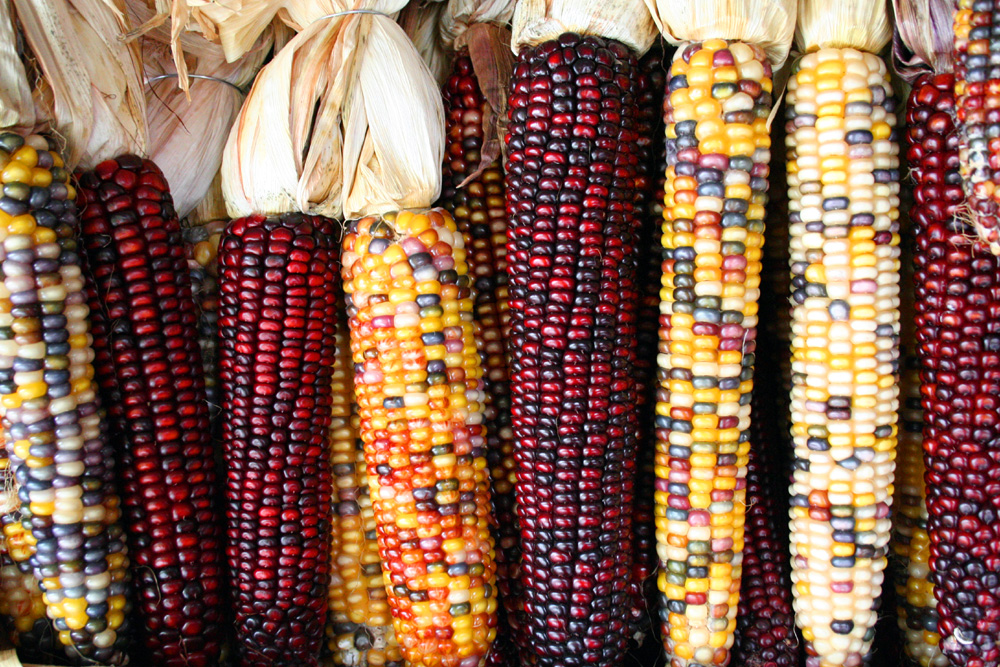

Definition and scope
Definitions vary in emphasis, but two points are common: first, a cultigen owes its defining characters to human agency, often through artificial selection; second, it is known primarily in cultivation rather than as a naturally established wild population. The concept contrasts cultivated forms with true wild relatives (sometimes called indigens) and overlaps with related notions such as domestication, cultivar and landrace. The human role in origin or maintenance is the key distinguishing feature (domestication).
History
The term was popularized in the early 20th century by American botanist Liberty Hyde Bailey, who proposed separating groups that arose under cultivation from wild taxa used in Linnaean classification. Bailey argued that many cultivated forms lack a single wild type specimen or a clear place in classical botanical systems, so a broader category was useful for horticulture and agricultural contexts.
Origins and processes
Cultigens can arise by many routes: intentional breeding and selection, hybridization between species or varieties, polyploidy, somatic mutation fixed by vegetative propagation, and more recently by directed genetic modification. Some cultigens originated millennia ago through unconscious selection by early farmers; others are modern products of plant breeding programs. Many cultigens require ongoing human propagation methods such as seed selection, grafting or tissue culture to maintain distinctive traits.
Taxonomy and nomenclature
Because many cultigens lack a natural type specimen or represent selections and hybrids, they present challenges for standard botanical nomenclature. Botanical codes developed for wild plants do not always address names used in horticulture, so specialized cultivated‑plant naming systems exist alongside the botanical code. Practical naming terms include cultivar, cultivar group and grex; these aim to record human origin, breeding history and horticultural identity without always fitting into classical Linnaean ranks (Linnaean system, botanical classification).
Examples
Well‑known examples of cultigens include staple crops and many garden plants. For instance, maize was transformed from its wild ancestor through long histories of human selection for grain and plant architecture, and forms of cabbage were produced by selection within a wild species to emphasize enlarged leaves or stems. Other familiar cultigens include apple cultivars, many garden roses and clonally propagated ornamentals; traditional landraces of cereals and vegetables also represent culturally managed cultigens maintained by farming communities.
Conservation, legal and practical issues
Cultigens raise specific conservation concerns because some exist only under cultivation or in seedbanks and may be vulnerable if practices or knowledge are lost (conservation). Gene flow between cultigens and wild relatives can affect wild populations, and feral populations sometimes establish outside cultivation. Legal regimes for cultivated plants — including plant breeders' rights, patents and access rules — affect how cultigens are developed, shared and conserved. Practical horticulture and agriculture rely on maintaining both formally named cultivars and informal selections for diversity and resilience.
Further reading and resources
Readers can consult horticultural handbooks, genetic resource guides and cultivated‑plant nomenclature resources for practical and historical perspectives. Specialized databases and naming codes explain registration and naming of cultivated forms and provide guidance for research, conservation and commerce (historical sources, general plant references, selection methods, domestication pathways, taxonomic context, classification issues, conservation guidance, crop case studies, vegetable examples, landrace resources).
Summary
Cultigens are plants whose distinctive characteristics are the product of human cultivation and selection. They span ancient domesticates to recent hybrids and named cultivars, and they intersect scientific classification, agricultural practice, legal frameworks and conservation priorities. Understanding cultigens helps explain how human societies have shaped plant diversity and why cultivated and wild plant systems require complementary approaches to study and stewardship.
Questions and answers
Q: What is a cultigen?
A: A cultigen is a plant that has been artificially selected by humans.
Q: Who first used the term "cultigen"?
A: Liberty Hyde Bailey, an American botanist, was the first to use the term in 1918.
Q: Why did Bailey find Linné's classification system inadequate for cultigens?
A: Bailey found that Linné's classification system did not work for plants that were the result of human cultivation and selection.
Q: What did Bailey call plants that grow in the wild without human selection?
A: Bailey called plants that grow in the wild without human selection "indigens".
Q: Can a cultigen always be placed in the traditional Linnean system of botanical classification?
A: No, a cultigen cannot always be placed in the traditional Linnean system of botanical classification.
Q: How did Bailey originally define a cultigen?
A: Bailey originally defined a cultigen as "a domesticated group of which the origin may be unknown...[It has] such characters as to separate it from known indigens, and is probably not represented by any type specimen or exact description".
Q: Can you give examples of cultigens?
A: Examples of cultigens include maize and cabbage.
Related articles
Author
AlegsaOnline.com Cultigen: plants produced or altered by human cultivation Leandro Alegsa
URL: https://en.alegsaonline.com/art/24611