
Cultivar: intentionally selected plant varieties for cultivation and trade
A cultivar is a deliberately selected plant variety maintained for specific traits. This article explains what cultivars are, how they are named, their origins, uses, and how they differ from botanical taxa.
Overview
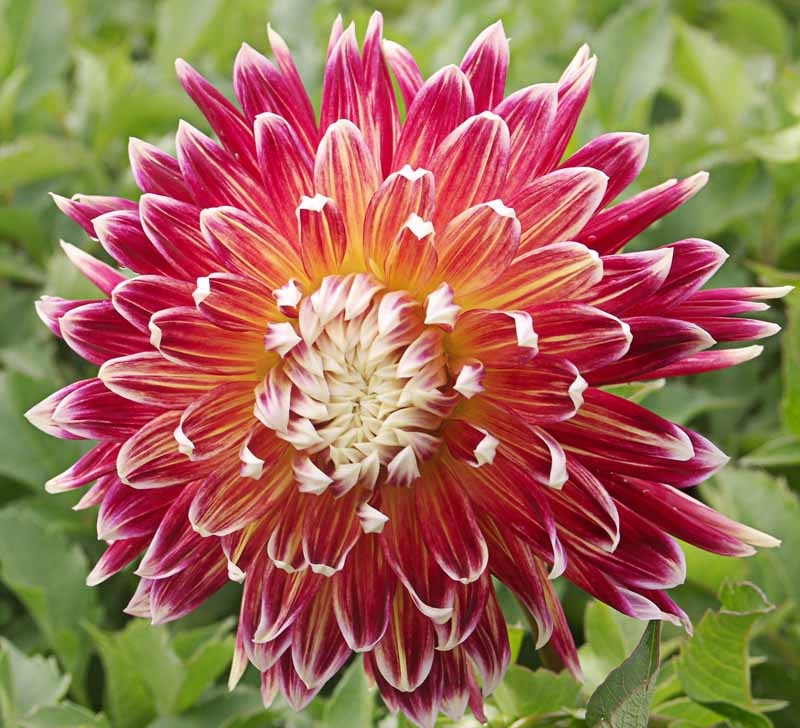
A cultivar is a plant variant chosen and maintained by people because it displays desirable, consistent features such as flower color, fruit quality, growth habit, or disease resistance. Cultivars arise through selective breeding, discovery of a naturally occurring variation, hybridization, or mutation, and are preserved through propagation so that their defining traits remain reliable for growers and consumers. The term focuses on plants used in horticulture, agriculture and forestry rather than wild populations.
Image gallery
7 Images



Key characteristics and propagation
Cultivars are characterized by a stable set of traits that distinguishes them from other members of the same species. Those traits are maintained when a cultivar is reproduced by appropriate methods: many cultivars are propagated vegetatively (cuttings, grafting, tissue culture) to ensure genetic uniformity, while some are raised from seed when the progeny reliably reproduce the parent type. The stability of traits under cultivation makes these selections suitable for commercial sale and widespread planting. In general usage a cultivar is a cultivated plant distinct from wild forms.
Naming and registration
Because cultivar names are intended for practical use, they follow conventions set out in the International Code of Nomenclature for Cultivated Plants (ICNCP). Cultivar names are usually non-Latin, often in a modern language, and are written as a cultivar epithet—commonly enclosed in single quotation marks in horticultural lists. These names are separate from the botanical name of the species or other formal taxonomic ranks, which refer to the plant's scientific taxon. Registration systems and cultivar registries exist for many plant groups to record origin, characteristics and breeder details.
History and development
The concept of selecting plants for desirable traits is ancient and predates modern science: early farmers and gardeners selected seeds and plants that performed well. Over time, deliberate breeding programs, botanical knowledge and modern techniques such as controlled hybridization and tissue culture expanded the range and reliability of cultivars. Institutional breeding programs, nurseries and amateur breeders all contribute to the development and dissemination of new cultivars.
Uses and examples
Cultivars are central to food production, landscape design and conservation of horticultural traits. Examples widely recognized by the public include fruit cultivars like 'Gala' apples and ornamental cultivars such as the 'Peace' rose; however, countless other cultivars exist for vegetables, trees, grasses and ornamental bedding plants. Their predictable performance allows farmers, gardeners and urban planners to choose plants suited to climate, soil, appearance or yield goals.
Distinctions and notable points
Important distinctions to keep in mind:
- Cultivar vs botanical variety: a cultivar is a human-selected or maintained form used in cultivation, while a botanical variety (var.) is a naturally occurring taxonomic rank within species.
- Cultivar vs landrace: a landrace is a traditional local variety adapted through farmer selection over time; a cultivar is often formally named and distributed more widely.
- Legal and commercial aspects: many cultivars are protected by plant breeders' rights, patents or trademarks, which affect propagation and sale.
Where specific registration or propagation details are needed, consult authoritative horticultural registries and the governing standards such as the ICNCP. For practical guides on identification, propagation and selection of cultivars, authoritative nursery manuals and extension services provide detailed, crop-specific advice. Further reading and registries can be found via horticultural organizations and cultivar lists: see resources linked at propagation references and classification pages at taxonomic resources.
Related articles
Author
AlegsaOnline.com Cultivar: intentionally selected plant varieties for cultivation and trade Leandro Alegsa
URL: https://en.alegsaonline.com/art/24612