
Cucurbitales — the order of gourds, begonias and related flowering plants
Cucurbitales is an order of mostly tropical flowering plants in the rosid clade, including gourds (Cucurbitaceae) and begonias (Begoniaceae). Members range from herbs and climbers to shrubs and trees.
The Cucurbitales are an order of flowering plants placed within the rosid group of dicotyledons. They are best known for two large and familiar families: the ornamental Begoniaceae and the economically important Cucurbitaceae. The order contains roughly 2,600 species divided among eight families and includes a wide variety of growth forms, from delicate herbs and climbing vines to shrubs and small trees. For a general overview of the group see Cucurbitales and its position among the rosids.
Image gallery
2 Images
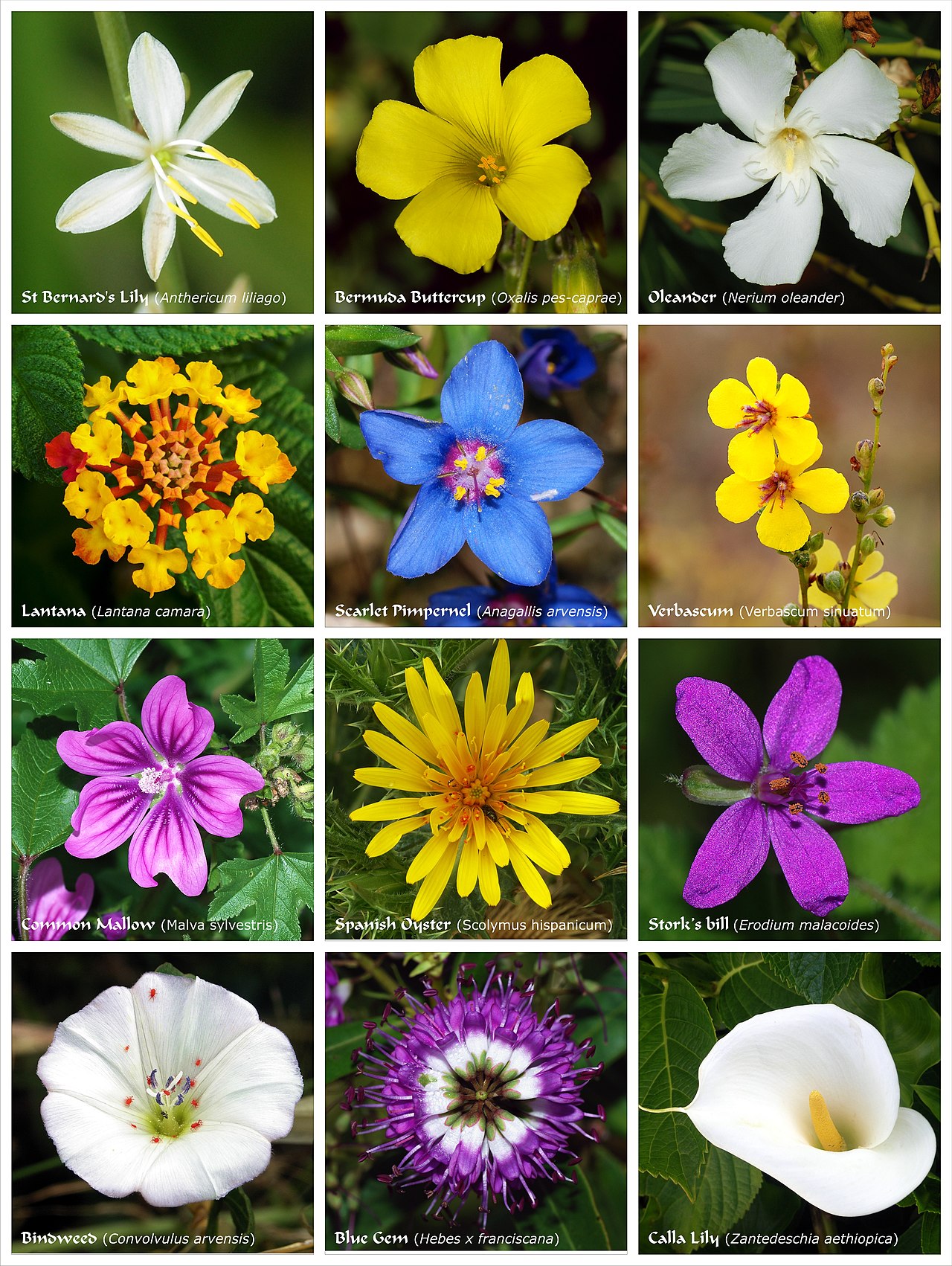
Key characteristics
Many Cucurbitales share a set of morphological traits that help distinguish them from other plant orders. A common feature is unisexual flowers (individual flowers are either male or female), although hermaphroditic flowers occur in some lineages. When petals are present they tend to be thick and often pointed. Pollination is predominantly insect-mediated, with bees, flies and other pollinators visiting the flowers, but some families have adopted wind pollination; for more on reproductive biology see pollination. Vegetative characters are variable: many members are trailing or climbing with tendrils (typical of many cucurbits), while others are free-standing herbs, shrubs or trees.
Taxonomy and families
The order currently comprises about eight families. Two families account for most species diversity: the Begoniaceae (begonia family) with around 1,400 species, prized for their foliage and flowers, and the Cucurbitaceae (gourd family) with roughly 800–850 species, many of them cultivated for food. Smaller families are represented chiefly in tropical regions and include groups with distinctive ecologies or reproductive systems. Modern classifications are informed by molecular phylogenetics, which have clarified family boundaries and relationships within the order.
Distribution and habitat
Cucurbitales are predominantly tropical in distribution, occurring across the Americas, Africa, Asia and Australasia. Several lineages extend into subtropical and temperate zones, but the greatest diversity is found in humid, warm regions. Species occupy a variety of habitats, from lowland rainforests and montane cloud forests to seasonally dry woodlands and disturbed sites. Climbing species often colonize forest edges and open habitats where they can reach light by scrambling over other vegetation.
Uses and examples
The order includes both important food crops and widely cultivated ornamental plants. Many members of Cucurbitaceae provide edible fruits and seeds; familiar examples include:
- pumpkin and other squashes (genera such as Cucurbita)
- watermelon (Citrullus and related species)
- melon and cucumber (genera in the Cucumis group)
Begoniaceae supply numerous horticultural varieties valued for leaf texture, variegation and showy blooms; many begonias are grown indoors or in shaded gardens. Beyond food and ornamentals, some species are used locally for traditional purposes or studied for their ecological interactions with pollinators.
Notable facts and distinctions
Two points of interest distinguish the order: its prevalence of unisexual flowers, which influences mating systems and pollination ecology, and the contrasting reproductive strategies within the group—mostly insect pollination but with wind pollination evolved in a few lineages. The combination of economically useful cucurbit crops and widely cultivated begonias gives the order a balance of agricultural and horticultural importance. Ongoing genetic and phylogenetic research continues to refine our understanding of how its families are related and how key traits evolved.
For further information on individual families and species, consult specialist treatments and floras or follow curated resources linked from this summary: Cucurbitales overview, Begoniaceae, Cucurbitaceae and studies of pollination biology.
Related articles
Author
AlegsaOnline.com Cucurbitales — the order of gourds, begonias and related flowering plants Leandro Alegsa
URL: https://en.alegsaonline.com/art/24542
Sources
- dx.doi.org : DOI
- doi.org : Abstract
- species.wikimedia.org : Cucurbitales