
Farm: land use, types, history, and role in food production
A farm is land used to grow crops and/or raise animals. This article describes farm types, structure, history, economic role, and environmental and social impacts.
Overview
A farm is a managed area of land dedicated primarily to producing food, fiber, or other agricultural goods. Farms commonly grow crops and/or raise animals. People who operate farms are called farmers, and their activity is usually referred to as farming. Farms vary widely in size and methods, from small family-operated plots that meet household needs to very large commercial enterprises that supply distant markets.
Image gallery
10 Images






Characteristics and components
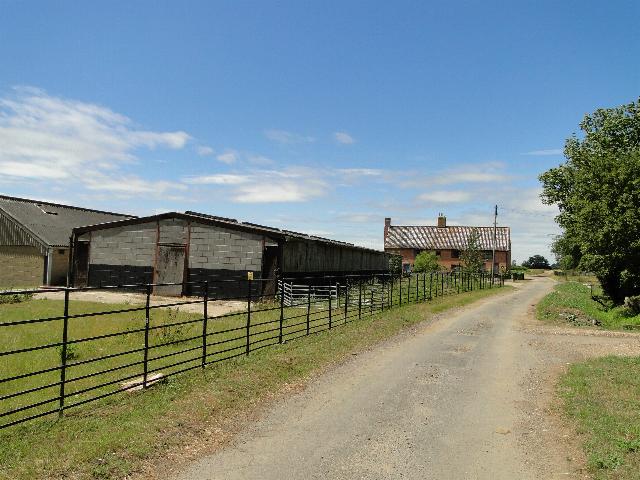
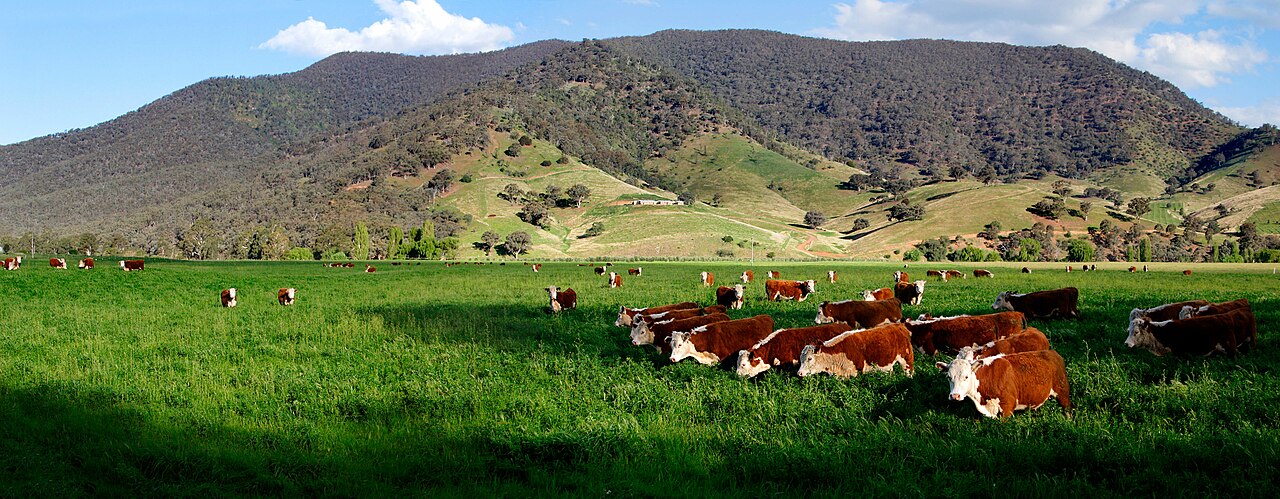
Typical elements of a farm include cultivated fields, grazing areas, buildings such as barns and storage, equipment, and water-management systems. Specific land designations include arable land—soil suitable for ploughing and crop production—and pasture, which is maintained for grazing livestock. Many farms also include orchards, vineyards, greenhouses, drainage or irrigation infrastructure, and access roads.
- Crop farms: focus mainly on grains, vegetables, fruits, or fiber crops.
- Livestock farms: raise animals for meat, milk, eggs, wool, or hides.
- Mixed farms: combine crops and animals to diversify production.
- Specialized systems: include dairy, poultry, plantation, organic, and urban farms.
History and development
Farming arose independently in several regions during the Neolithic period when human societies transitioned from hunting and gathering to cultivating plants and managing animals. Over millennia techniques spread and diversified. In recent centuries mechanization, improved plant and animal breeding, synthetic fertilizers, and irrigation have greatly increased yields in many regions. These technological shifts led to the growth of commercial and industrial farming systems alongside persistent small-scale and subsistence practices.
Uses, economy and social role
Farms produce the bulk of the world’s food and a range of non-food products such as cotton, timber, and biofuels. Some farms operate for subsistence, producing primarily for household consumption, while others sell produce to local and distant markets; many sell into urban supply chains and wholesale networks that serve urban areas. Farming supports livelihoods, rural economies, and cultural traditions; family farms and agricultural communities are important social units in many countries.
Environmental issues and sustainability
Farming has substantial environmental effects. Land conversion for agriculture can reduce natural habitats and biodiversity. Intensive practices may lead to soil erosion, nutrient runoff, water depletion, and greenhouse gas emissions. Efforts to reduce these impacts include conservation tillage, crop rotation, integrated pest management, agroforestry, precision agriculture, and organic farming. Policy choices, market incentives, and local conditions influence how sustainable practices are adopted.
Distinctions and notable facts
Not all farms are alike: smallholder and family-run farms are common in many regions and often differ in objectives and methods from large-scale commercial or corporate farms. Some operations focus on high-value niche products, while others emphasize volume commodity production. Agricultural policy, land tenure, access to capital and technology, and climate conditions shape farm structures and productivity. Understanding these distinctions is important for addressing food security, rural development, and environmental stewardship.
For additional introductory resources, consult general overviews on land use and agriculture, or specialized material on crop production, livestock management, and sustainable farming techniques.
land | crops | animals | farmers | farming | pasture | arable land | urban areas
Author
AlegsaOnline.com Farm: land use, types, history, and role in food production Leandro Alegsa
URL: https://en.alegsaonline.com/art/33544