
Cockatiel (Nymphicus hollandicus): Overview, Care, and Behavior
Comprehensive guide to the cockatiel, a small crested parrot from Australia: identification, behaviour, diet, housing, training, health, lifespan and practical care tips for owners.
Overview
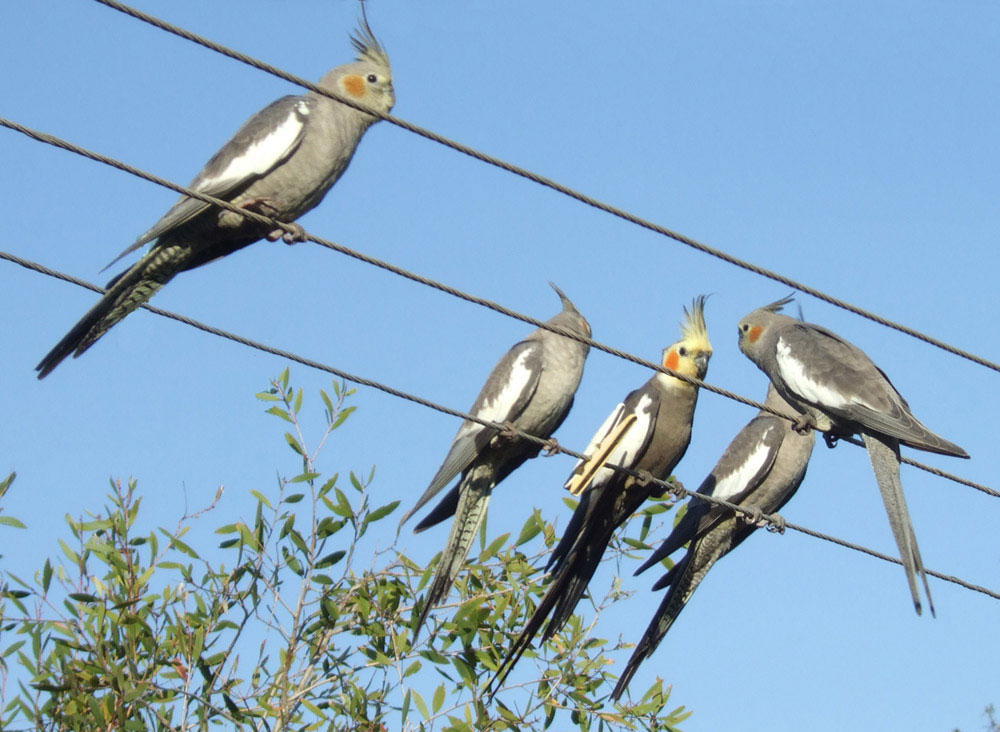
The cockatiel (Nymphicus hollandicus) is a small crested parrot native to Australia and the only member of the genus Nymphicus. Closely related to the larger cockatoos, cockatiels have become a widespread companion bird because of their manageable size, expressive crest and sociable temperament. In the wild they inhabit open country, arid scrub and woodland edges and are adapted to seasonal climates and nomadic movements in response to food and water availability.
Image gallery
10 Images



Taxonomy and natural history
Cockatiels belong to the family Cacatuidae. The species was described by European naturalists in the late 18th century and later kept in aviculture around the world. Wild cockatiels typically occur across much of inland Australia where they feed on seeds, grasses and occasionally insects. Their social flocks and nomadic habits reflect adaptations to an often unpredictable environment.
Identification and physical characteristics
Adult cockatiels have a slim body, long tapered tail and a notable feather crest that is mobile and communicates mood. Wild-type individuals are mostly gray with white flashes on the wings and orange cheek patches; captive breeding has produced many colour mutations including lutino, pied, pearl and cinnamon. Feet are zygodactyl (two toes forward, two back), useful for climbing and handling food. Males and females may show subtle differences in plumage and behaviour; in some mutations sexing requires genetic testing.
Behaviour and communication
Cockatiels are social, intelligent birds that use calls, body posture and crest position to communicate. The crest is an important visual cue: raised vertically when curious or excited, flattened when frightened or angry, and relaxed when calm. As prey animals in the wild, they can startle at sudden movement or unfamiliar stimuli; patient handling and steady routines reduce stress. Many cockatiels enjoy interaction with people and can form strong bonds, often showing affection through preening, soft vocalising and following familiar handlers.
Diet and nutrition
A balanced diet is important for health and longevity. Commercial pellets provide a formulated base; seeds are enjoyed but are high in fat and should not be the sole food. Fresh vegetables (leafy greens, carrots, squashes in moderation), some fruits and cooked legumes supply vitamins, fiber and variety. Fresh water should be available at all times. Owners should avoid foods known to be toxic to birds such as avocado, chocolate, caffeine and alcohol, and introduce new items gradually to encourage acceptance.
Housing, enrichment and daily care
Cage size should allow wings to open fully and some flight; larger aviaries or daily supervised out-of-cage time improve exercise and mental health. Provide a range of perches of different diameters and materials, safe chew toys, and foraging opportunities to mimic natural behaviours. Keep cages and feeding areas clean, control drafts and avoid extreme temperature swings. Social interaction is essential: many cockatiels thrive with regular handling, playtime and predictable routines.
Training and mental stimulation
Positive, reward-based training builds trust and can teach useful behaviours: step-up, target training, simple tricks and short songs. Training sessions should be brief and consistent to match the bird's attention span. Cockatiels are known for learning melodies and household sounds; complex phrases are less common than musical mimicry. Patience, gentle reinforcement and avoidance of punishment produce the best long-term results.
Health, lifespan and common problems
Under good care many cockatiels live from around 10 to 20 years, with some individuals reaching the low twenties. Regular veterinary check-ups with an avian-experienced clinician help detect problems early. Common health issues include nutritional deficiencies, feather-plucking (often stress-related), respiratory infections and parasitic infestations. Changes in droppings, appetite, activity level or feather condition should prompt a veterinary consultation.
Reproduction and captive breeding
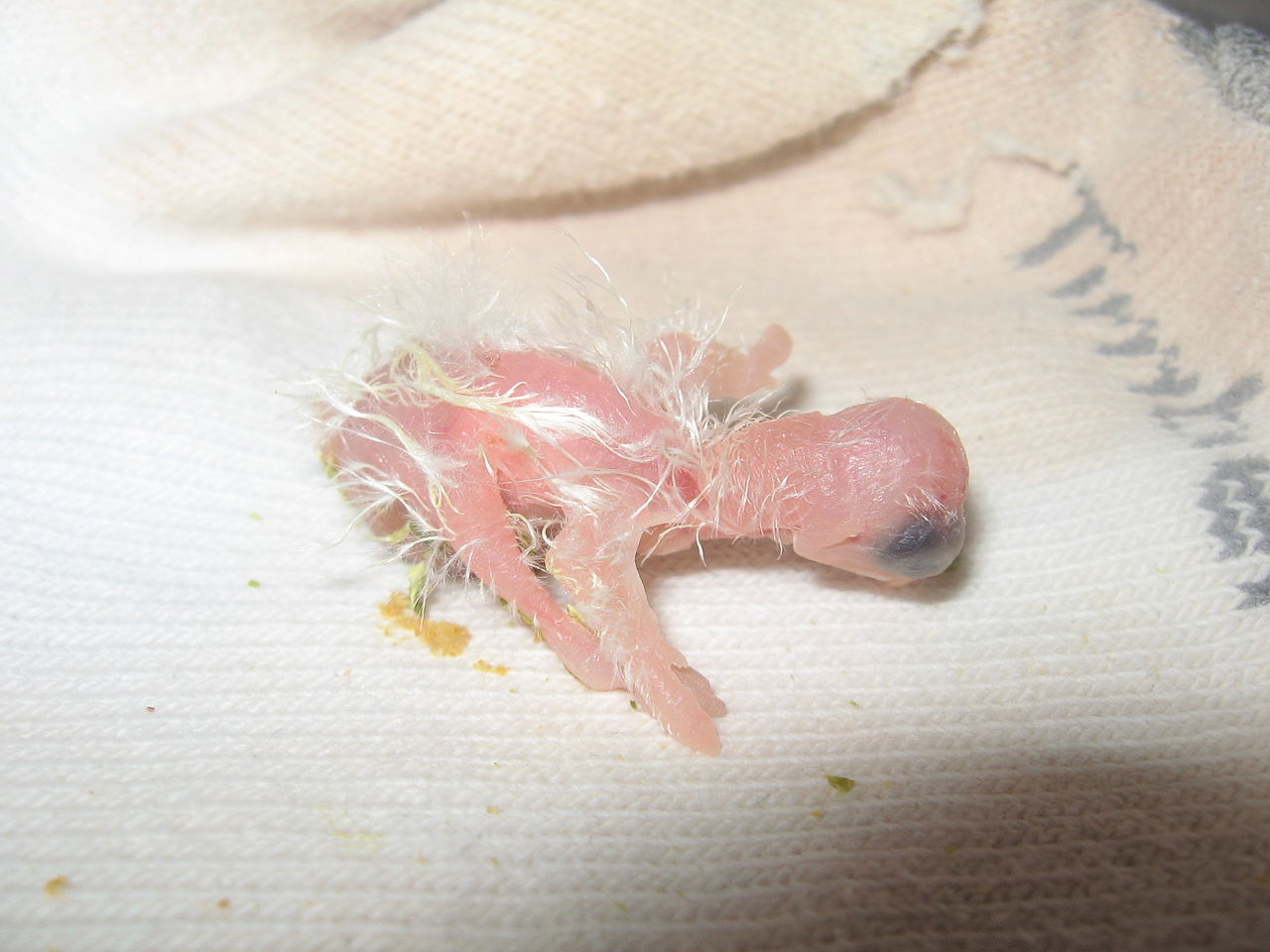
In the wild, cockatiels nest in tree hollows and lay clutches of several eggs. Captive breeding is well established and responsible breeders have produced the many colour mutations kept as pets. Breeding requires appropriate housing, nesting sites and attention to nutrition; inexperienced owners should seek guidance from reputable breeders or avian veterinarians before attempting to breed birds.
Conservation and legal considerations
Cockatiels are not listed as a globally threatened species, in part because of their wide natural distribution and successful captive populations. Nevertheless, local habitat change and illegal trapping can affect wild populations. Regulations governing bird ownership, transport and import vary by jurisdiction; prospective owners should check local laws and consider adopting from rescues when possible.
Practical tips for owners
- Choose a cage that allows flight and provides multiple perches; rotate toys regularly to prevent boredom. Housing advice
- Offer a balanced diet: pellets or a formulated base plus fresh vegetables and occasional fruit. Diet guidelines
- Learn crest and body language to assess mood and stress. Reading body language
- Schedule routine consultations with an avian veterinarian and monitor droppings and behaviour. Veterinary care
- Provide daily social interaction or a compatible bird companion if you cannot be present often. Social needs
- Use short, positive training sessions and reward-based techniques for taming and tricks. Training methods
- Avoid known toxic foods and introduce new foods gradually to encourage acceptance. Food safety
For further reading, care sheets, breeding advice and behaviour guides consult specialist sources and experienced avian professionals. Reliable resources include avian textbooks, peer-reviewed articles and established bird welfare organisations. Further reading 1 Further reading 2 Further reading 3 Further reading 4 Color mutations Genetics Sex differences Gender behaviour Seed diet Avian vets Safe fruits Safe vegetables Legumes Toxic foods Training tips Display behaviours Vocal learning Song mimicry Social species Hand-rearing Longevity factors
Tags
Related articles
Author
AlegsaOnline.com Cockatiel (Nymphicus hollandicus): Overview, Care, and Behavior Leandro Alegsa
URL: https://en.alegsaonline.com/art/21325