
Beak (bird bill): structure, variation, function and evolution
The beak (bill or rostrum) is the external mouth and nose of birds. This article explains its anatomy, diverse shapes and adaptations, functions and evolutionary background in accessible detail.
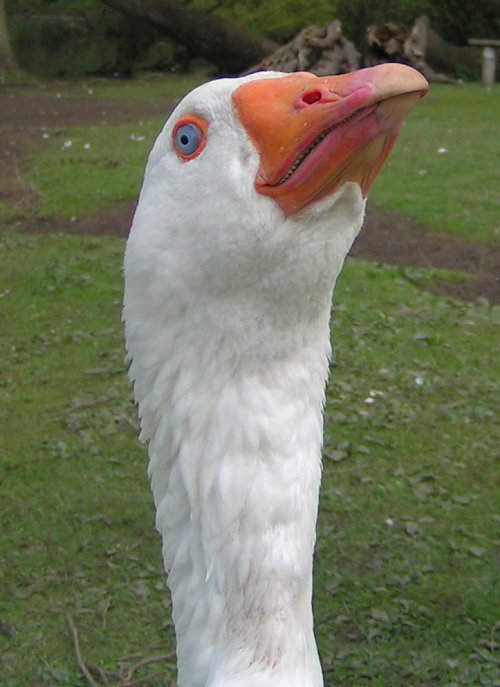
The beak, also called a bill or rostrum, forms the external mouth and nose of a bird and is one of its most distinctive features. It is the visible tool that replaces teeth in modern birds and is central to feeding, preening, defense, nest building and social signalling. For a general introduction to birds and their anatomy see related bird resources.
Image gallery
10 Images


Anatomy and composition
Internally, a beak consists of two bony cores: an upper and a lower mandible. The outer surface is covered by a horny sheath of keratin called the rhamphotheca, which grows continuously and wears down with use. Surface terms used by ornithologists include the culmen (dorsal ridge), tomium (cutting edge) and gonys (lower midline). Most birds breathe through nostrils (nares) located on the beak; the position and shape of these openings vary by species and lifestyle. Many behaviors such as grooming and feeding are closely tied to beak structure; for more on behavioral roles see behavioral notes.
Variation and adaptations
Beaks show dramatic differences in size, shape and strength that reflect ecological roles. Common adaptive types include:
- Hooked, sharp bills of raptors for tearing flesh.
- Conical, stout bills of seed-eating finches for cracking seeds.
- Long, probing bills of shorebirds and hummingbirds for probing mud or flowers.
- Flat, lamellate bills of ducks for filtering water and small food particles.
- Chisel-like bills of woodpeckers adapted to drilling wood.
Functions and examples
Beyond feeding, beaks serve multiple roles: courtship displays and color signals, manipulation of nesting material, feeding of chicks, territorial combat and even thermoregulation (as in toucans and some waterfowl). Sensory specializations appear in some bills—several shorebirds and the kiwi have tactile receptors that detect prey hidden under substrate.
Evolutionary context and notable facts
Modern birds largely lack teeth; the beak evolved as a light, versatile alternative as avian lineages diversified. Fossil relatives and some extinct birds document transitional conditions where toothed jaws and beak-like structures coexisted. Variation in beak color often reflects diet or carotenoid availability and can act as a health signal to mates. For examples across species and groups consult broader species accounts at species pages and comparative summaries at research summaries.
Understanding beaks links anatomy to ecology: a bird’s bill is both a tool and a record of how it lives. Observing bill shape and wear provides immediate clues about diet and behaviour, making the beak a central subject in field identification and evolutionary study.
Related articles
Author
AlegsaOnline.com Beak (bird bill): structure, variation, function and evolution Leandro Alegsa
URL: https://en.alegsaonline.com/art/9800