
Crest (feathers)
A bird crest is a grouping of specialized feathers on the head used in display and communication. Crests vary in form and mobility across species and have evolved independently in many bird families.
Overview
A crest is a conspicuous cluster of feathers on the top of a bird's head. These feathers can be structurally distinct from surrounding plumage and often stand out by shape, color, or the bird's ability to raise and lower them. Crests appear in many unrelated bird groups, from parrots and pigeons to passerines and cranes, and are commonly associated with visual signalling.
Image gallery
10 Images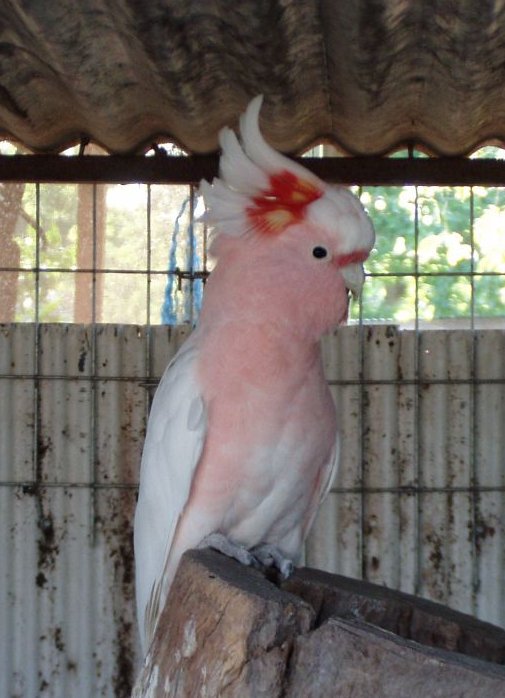


Structure and mechanics
Crest feathers are usually modified contour feathers with elongated shafts and vanes that form a recognizable tuft or fan. In many species the feathers are erectile: small muscles at the base of each feather, or a shared muscle sheet, allow the bird to raise or flatten the crest. In other species the crest is permanently erected or largely immobile and forms a fixed silhouette.
Functions and behaviour
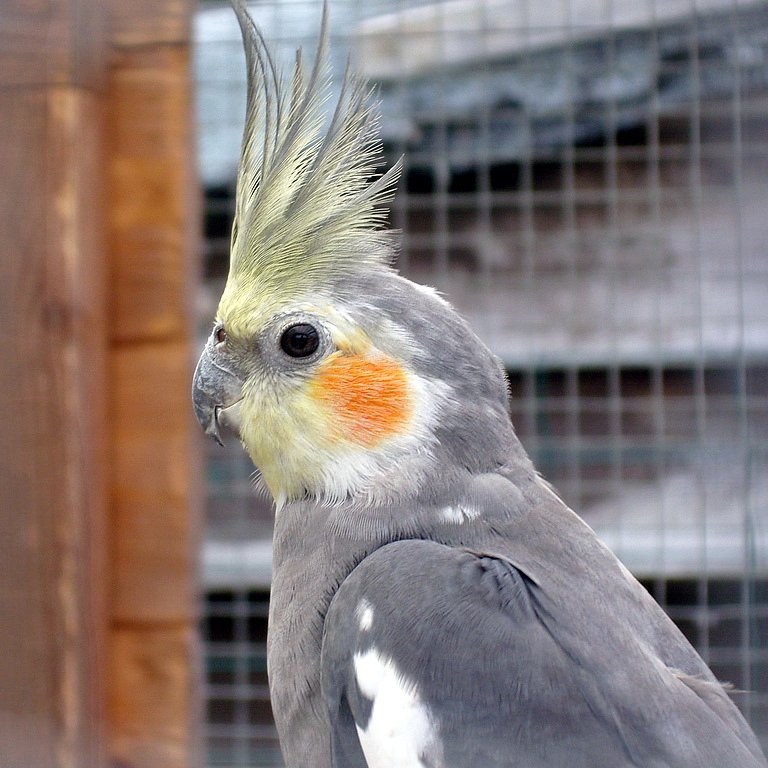
Most often crests serve communicative roles. Birds display crests as part of courtship, to signal aggression or alarm, or to coordinate social interactions within flocks. Raising the crest can make an individual look larger and more conspicuous, which may deter rivals or predators, or attract mates by emphasising colour contrasts and movement. Some crests also aid quick species recognition at a distance.
Examples and notable species
- Cockatoos and their smaller relatives, cockatiels, have well-known erectile crests they raise during displays and when alarmed. These parrots are members of the family Cacatuidae and are native to Australia and nearby islands.
- The hoopoe shows a fan-like crest that is often opened into a circular display during courtship or when disturbed.
- Some cranes, notably the grey crowned crane, possess a dense, upright crest of stiff feathers that contributes to their ornate appearance and courtship dances.
- Other familiar birds with crests include the Northern cardinal and several pigeon species; broadly, crests have evolved independently in multiple lineages of birds.
Evolutionary and ecological context
Crests have arisen convergently in different bird families, which suggests similar selective pressures such as sexual selection and social signalling. While display is the dominant explanation, crests may serve multiple roles depending on context: alarm signalling to conspecifics, interspecific intimidation, or aiding mate choice by emphasizing colour or movement. Researchers note that crest form and mobility often correlate with social behaviour and mating systems in a given species.
Distinctions and practical notes
It helps to distinguish between erectile and permanent crests, and between simple tufts and complex fans. In addition, crests differ from other head ornaments such as bare skin patches or combs. For quick reference, many field guides mark crested species so birdwatchers can use the crest as an identifying feature; for deeper information see specialist literature and resources on feather anatomy and avian behaviour. See also general resources on feathers and how bird species use visual signals in communication; other helpful overviews of display behaviour are available through broader ornithological sources (display).
Questions and answers
Q: What is a crest on a bird?
A: A crest, also known as a crown, is a group of feathers on top of a bird's head.
Q: Can all species of birds have crests?
A: No, only some species of birds have crests.
Q: Can the feathers in a crest move?
A: Yes, the feathers in a crest can move up and down in some species of birds.
Q: What are crests on birds used for?
A: Crests on birds are generally used for display purposes, communication with others, and as a part of their courtship. They can also be used as a form of defense.
Q: Which bird has a crest that is always up?
A: The grey crowned crane has a crest that is always up.
Q: Which family of parrots do cockatoos and cockatiels belong to?
A: Cockatoos and cockatiels belong to the Cacatuidae family of parrots.
Q: What is the purpose of a bird raising its crest suddenly and unexpectedly?
A: Raising their crest suddenly and unexpectedly can be a form of defense to frighten away other species that approach too closely, making the bird appear larger.
Related articles
Author
AlegsaOnline.com Crest (feathers) Leandro Alegsa
URL: https://en.alegsaonline.com/art/24126
Sources
- creagrus.home.montereybay.com : "COCKATOOS Cacatuidae"
- birdsnways.com : "Those Magnificent Cockatoo Crests"