
Bird nest: types, construction, and ecological role
Overview of bird nests: common forms, building materials, functions, size extremes, nest-site choices, behavior, threats and conservation measures for nesting birds.
A bird nest is the structure that many bird species build to lay and incubate eggs, shelter their young and sometimes to roost. Nests perform reproductive, protective and microclimate functions and are adapted to the biology of each species. For related information about where birds lay eggs see egg-laying sites. Nests vary in complexity from simple ground depressions to elaborate woven or mud-built structures.
Image gallery
10 Images


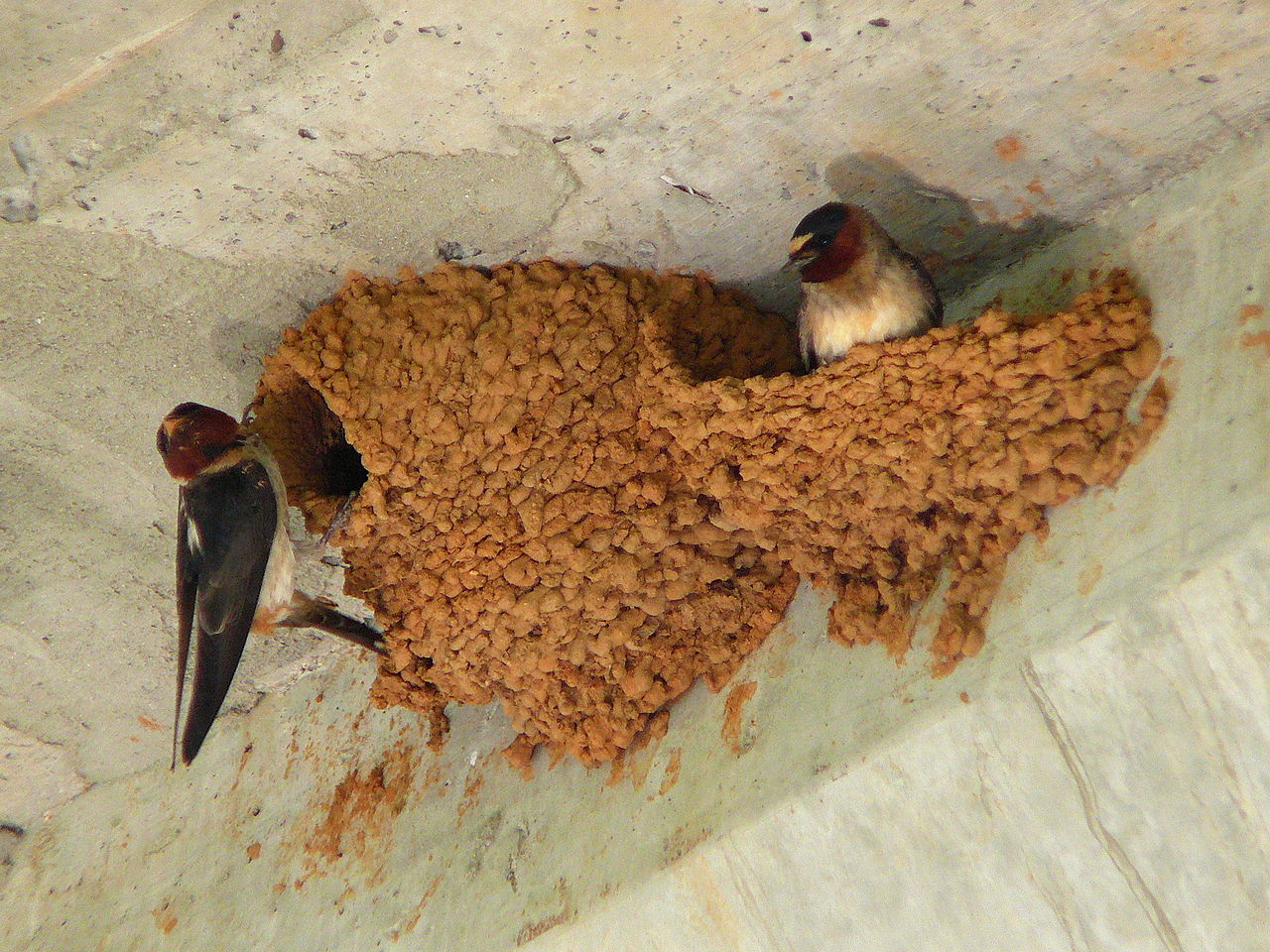


Common types and forms
Nests are often classified by shape and location. Major categories include:
- Cup nests: open, bowl-shaped constructions woven from grasses, bark strips and soft lining material, common in passerines.
- Cavity nests: chambers in tree holes, cliffs or artificial boxes used by woodpeckers, some parrots and many species that require enclosed shelter.
- Ground scrapes: shallow depressions on soil, gravel or sand used by shorebirds, ducks and some gamebirds; often camouflaged.
- Platform or stick nests: large piles of sticks and branches built by raptors, corvids and some waterbirds; these may be reused and enlarged across seasons.
- Pendulous and enclosed nests: suspended, often enclosed structures hung from branches by weavers, orioles and some finches to deter predators.
- Mound nests: piles of vegetation or earth that may use heat from decomposition to warm eggs, used by a few specialized species.
Materials and construction
Construction materials reflect availability and the species' needs. Birds use twigs and branches, twigs and branches, leaves, mud, moss, feathers, animal fur, spider silk, plant fibers and occasionally saliva. Some species weave fibers tightly or bind materials with sticky substances. Small species may line cups with down or spider silk to hold materials together. The word "nest" functions as a noun (the structure) and as a verb (to build or occupy such a structure), and nest-building can be an important element of courtship and pair bonding.
Site selection and construction behavior
Choice of nest site balances protection from predators, exposure to weather, proximity to food and territorial considerations. Some birds nest in dense vegetation or cliff ledges for safety, others in open areas where camouflage reduces detection. Timing of nest construction is often seasonal and coordinated with food availability. In many species both sexes participate in building, while in others a single sex constructs most of the nest. Parental investment in nest construction can influence mating success and reproductive outcomes.
Sizes, examples and special cases
Nests show dramatic size differences. Large raptors and corvids build substantial stick platforms that may be reused and expanded for many years; a familiar example is the eagle's nest. By contrast, tiny hummingbirds construct delicate cups often compared to a thimble; the Bee Hummingbird makes some of the smallest known bird nests. Some species build specialized structures — for example, enclosed pendulous nests, burrows or communal colonies — each reflecting particular ecological pressures.
Ecological roles, threats and conservation
Nests protect eggs and young from predators and weather, help regulate temperature and humidity and can function in courtship and territorial display. Nesting behavior influences population dynamics through factors such as nest predation, parasitism by other birds and competition for sites. Human activities — habitat loss, disturbance, pollution and introduced predators — can reduce nesting success. Biologists monitor nests to assess population trends and many conservation programs provide artificial nest boxes or protect nesting habitats. In many places it is illegal to disturb or collect active nests because doing so harms birds and their offspring.
Understanding nest diversity helps in bird conservation and in appreciating how species solve common problems of reproduction and safety. For practical guidance on nest protection and citizen science projects, consult local wildlife authorities and bird conservation organizations.
Questions and answers
Q: What is a bird nest?
A: A bird nest is a place where a bird lays its eggs.
Q: What are the different types of bird nests?
A: The different types of bird nests include cup nests, holes in the ground, and piles of twigs and leaves.
Q: How can the word "nest" be used in a sentence?
A: The word "nest" can be used as a noun or a verb, as in "a bird nests in a nest."
Q: What are the sizes of bird nests?
A: Bird nests come in all kinds of sizes, ranging from as big and heavy as a car, like an old eagle's nest, to as tiny as a thimble, like the nest of a Bee Hummingbird.
Q: Do all birds build nests?
A: No, not all birds build nests. Some birds lay their eggs on the ground or in rock crevices instead.
Q: Why do birds build nests?
A: Birds build nests to protect their eggs and provide a safe place for their young to hatch and grow.
Q: How long does it typically take for a bird to build a nest?
A: The time it takes for a bird to build a nest varies depending on the species and the size of the nest. Some birds can build a nest in just a few hours, while others may take several days or even weeks to complete a nest.
Tags
Related articles
Author
AlegsaOnline.com Bird nest: types, construction, and ecological role Leandro Alegsa
URL: https://en.alegsaonline.com/art/11705