
Wildlife: definition, habitats, human interactions and conservation
An overview of wildlife—non-domesticated plants, animals, fungi and other organisms—their habitats, ecological roles, history with humans, and contemporary conservation and management issues.
Wildlife traditionally referred to animals that live without human care, but the term now embraces a broader set of organisms. In modern usage wildlife includes wild animals, distinct species of many kinds, native plants, wild fungi and other organisms that grow or live in an area without being intentionally introduced by humans (introduced by humans). This inclusive definition recognizes that ecosystems are composed of many interacting life forms, not only charismatic animals.
Image gallery
10 Images

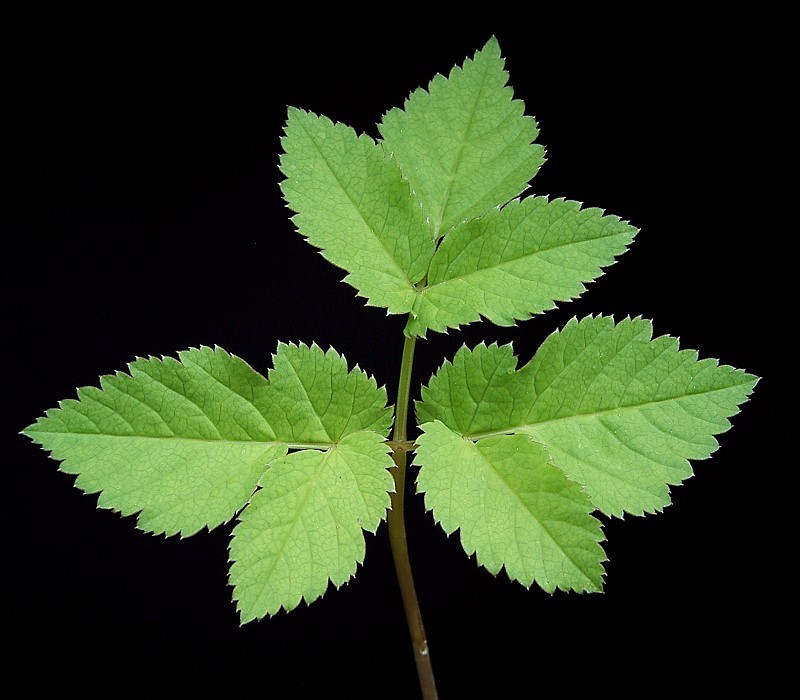

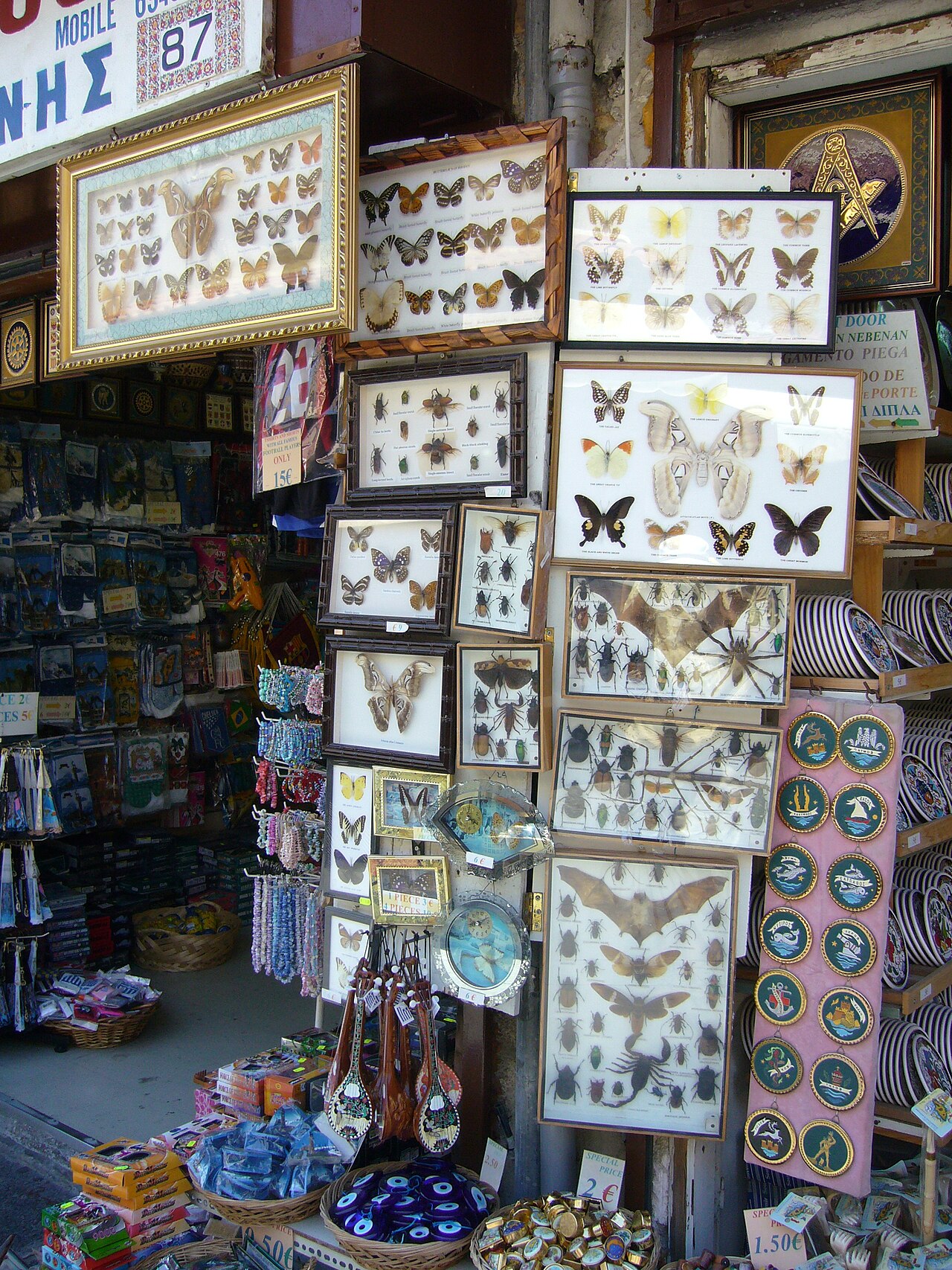
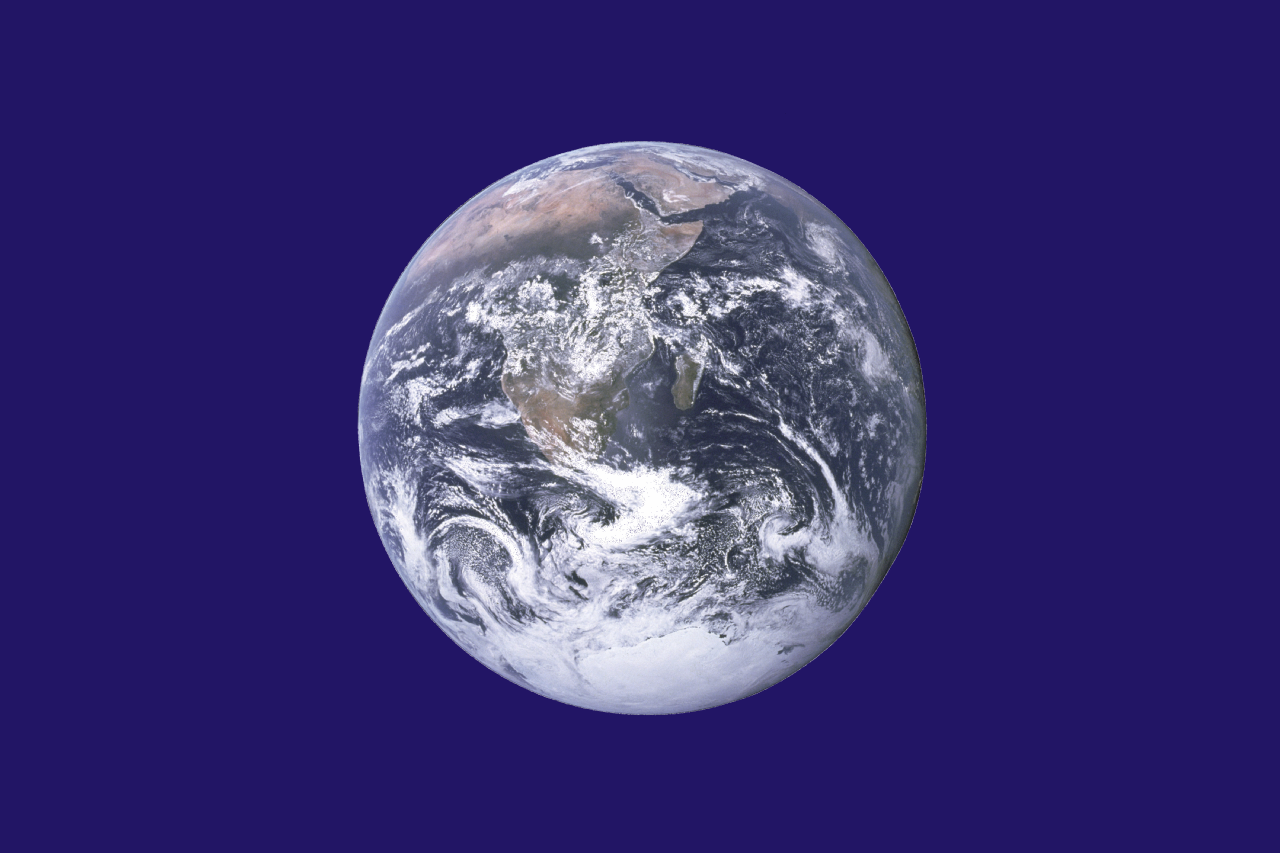

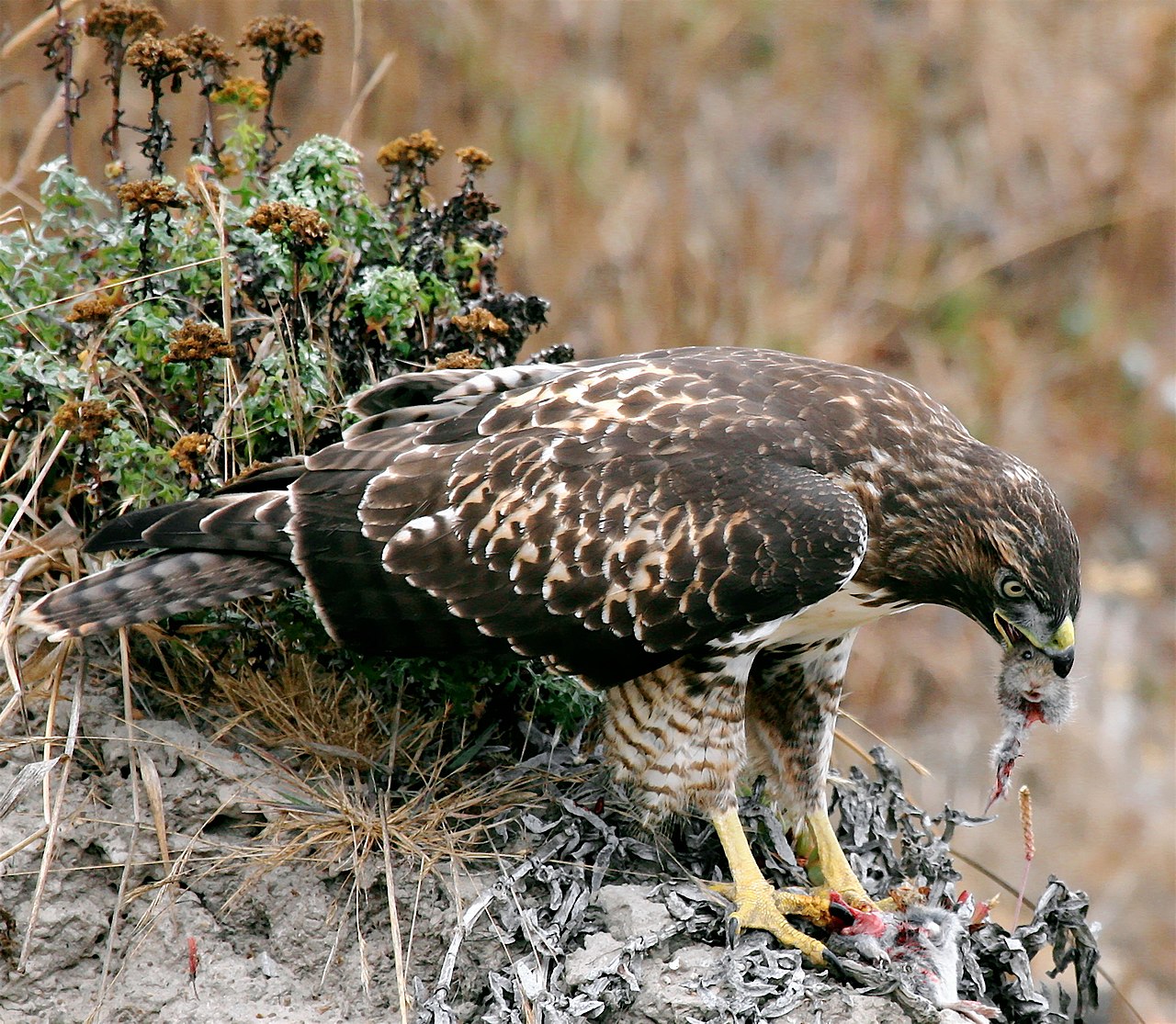


Characteristics and ecological roles
Wildlife comprises organisms adapted to surviving and reproducing in natural settings. Species differ in life history, from long-lived large mammals to microbes and ephemeral plants; together they perform roles such as pollination, seed dispersal, predation, decomposition and soil formation. Many species have coevolved relationships that maintain ecosystem functions: for example, some plants rely on specific animals for pollination, while predators can regulate prey populations and promote biodiversity.
Where wildlife lives
Wildlife is present across virtually every kind of environment. Typical categories include:
- Ecosystems such as forests and wetlands.
- Deserts, where plants and animals have specialized survival strategies.
- Grasslands and plains with migratory herds and ground-nesting species.
- Urban areas where adaptable species exploit human structures and resources.
Even managed spaces can support wild organisms: a private garden may host native insects, birds and plants, while a remnant patch of original habitat can sustain regional biodiversity.
Historical interaction with humans
Humans have repeatedly domesticated wild species—both animals and plants—for food, labor, companionship and other services. This process has reshaped landscapes and species distributions. Traditional hunting, pastoralism and agriculture altered populations long before industrial change; later, industrialization, urban expansion and global trade accelerated habitat loss, species introductions and extinctions. At the same time, humans have created protected areas, managed wildlife populations, and restored habitats to conserve species and ecological processes.
Uses, threats and conservation
Wildlife provides direct benefits (food, materials, medicines) and indirect services (clean water, climate regulation, cultural value). Major threats include habitat conversion, overexploitation, pollution, invasive species and climate change. Conservation responses range from legal protection, habitat restoration and species reintroductions to community-based management and scientific monitoring. Effective conservation usually combines ecological knowledge with social, economic and legal tools.
Notable distinctions and practical considerations
When discussing wildlife it is helpful to differentiate wild populations from domesticated or feral ones, and native species from non-native introductions. The boundary between ‘wild’ and ‘managed’ can be porous: many organisms survive in human-dominated landscapes, and some management actions aim to mimic natural processes. Understanding local ecological context, the needs of particular species, and the human communities involved is essential for sound policy and stewardship.
Further reading and resources can be found through general guides and specialist literature; authoritative portals and conservation organizations provide regional species lists, management guidance and legal frameworks for protecting wildlife across different habitats.
More on animals • Species concepts • Plants • Fungi • Introductions • Ecosystems • Desert life • Grasslands • Urban wildlife • Gardens and wildlife • Habitat concepts
Related articles
Author
AlegsaOnline.com Wildlife: definition, habitats, human interactions and conservation Leandro Alegsa
URL: https://en.alegsaonline.com/art/108095
Sources
- homestudy.ihea.com : "What Is Wildlife?"